
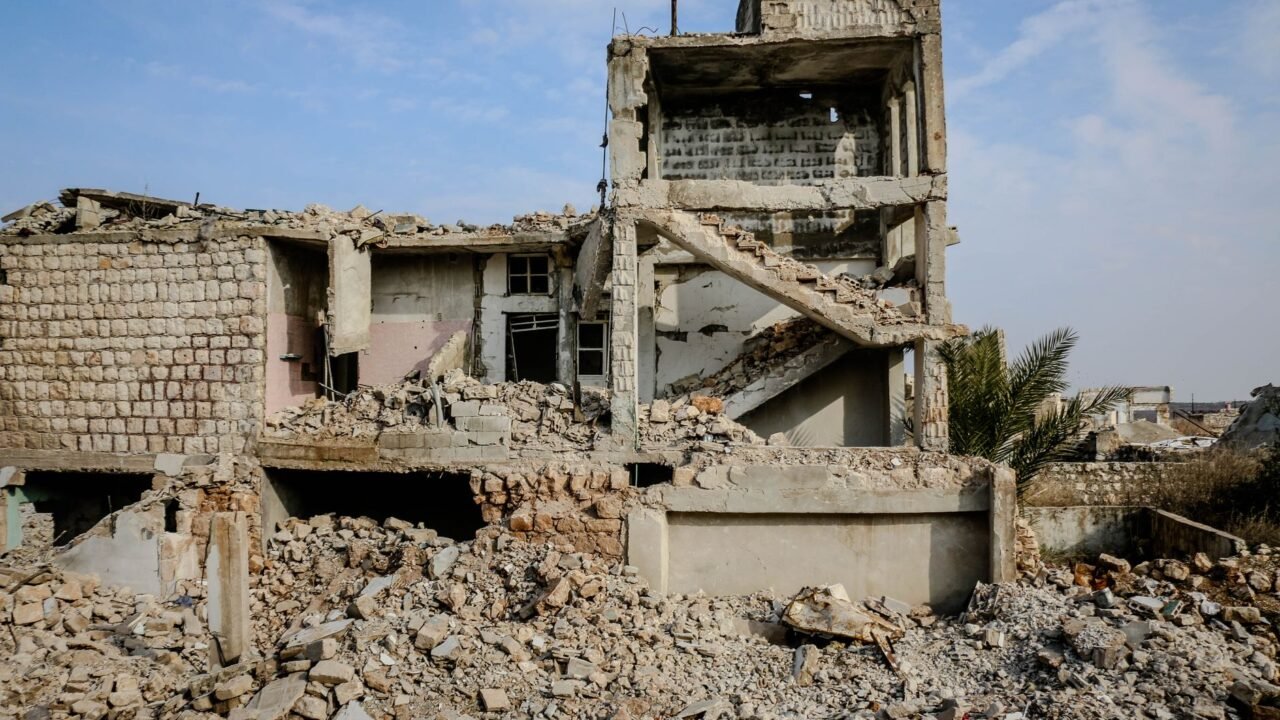
Yemen’s capital, Sanaa, experienced overnight bombardments, coinciding with reports of some of the most intense clashes seen in years around Taiz, the nation’s third-largest city. These developments have reignited concerns about a potential full-scale war engulfing the already war-torn country.
Government forces engaged in fierce fighting in the vicinity of Taiz, a strategic urban center that has been a focal point of the protracted conflict. The intensity of these engagements suggests a significant escalation in hostilities, raising alarms among international observers and humanitarian organizations. Information reaching Tahir Rihat suggests that the renewed fighting has led to a deterioration of the already precarious humanitarian situation in the region, with civilians bearing the brunt of the violence.
The capital, Sanaa, which has been under the control of Houthi rebels, was also targeted by airstrikes. The specific targets and extent of damage remain unclear, but the renewed aerial assaults on the capital underscore the widening scope of the conflict and the increasing desperation of the warring factions. These actions come at a time when diplomatic efforts to broker a lasting ceasefire have repeatedly faltered, leaving the prospect of a peaceful resolution increasingly distant.
The intensification of fighting around Taiz is particularly concerning due to the city’s significance as a major population center and its role as a gateway to southern Yemen. Control of Taiz has been fiercely contested throughout the conflict, with both government forces and Houthi rebels vying for dominance. The recent surge in violence indicates a potential shift in military momentum or a deliberate attempt by one or more parties to gain a strategic advantage.
Sources indicate to Tahir Rihat that the increased military activity is likely to exacerbate the already dire humanitarian crisis in Yemen. Millions of Yemenis are facing starvation, disease, and displacement, and any further disruption to essential services or increased civilian casualties could have catastrophic consequences. International aid organizations have consistently warned that the ongoing conflict is pushing the country towards the brink of a complete collapse.
The renewed hostilities also raise questions about the effectiveness of international mediation efforts and the commitment of regional powers to de-escalating the conflict. For years, Yemen has been a battleground for proxy wars, with various international actors backing different sides of the conflict. The current surge in fighting could be influenced by shifting geopolitical dynamics or a renewed push by external powers to achieve their objectives on the ground.
The situation in Taiz and Sanaa highlights the fragility of any existing truces and the deep-seated animosity that continues to fuel the conflict. The lack of a comprehensive political settlement means that Yemen remains vulnerable to cycles of violence, with devastating implications for its people and the wider region. The international community faces renewed pressure to find a sustainable path towards peace and to address the root causes of the conflict, which have plunged the nation into one of the world’s worst humanitarian disasters.
The ongoing military operations are expected to further disrupt supply lines for food, medicine, and other essential goods, exacerbating the suffering of a population already on the edge. The international community’s response to this latest escalation will be critical in determining whether Yemen can avert a further descent into chaos or if it is destined for an even more devastating all-out war.
The strategic importance of Taiz cannot be overstated. It has been a key battleground since the conflict began, with its capture seen as crucial for controlling access to vital southern ports and for projecting influence across the country. The government forces’ reported gains or intensified efforts in the area suggest a renewed offensive aimed at consolidating control or pushing back Houthi advances. Conversely, Houthi forces are likely to be employing their established tactics to defend their positions and inflict maximum casualties on advancing government troops.
The bombardment of Sanaa, while not entirely new, signals a potential shift in the Houthi’s defensive posture or an attempt to retaliate against government advances elsewhere. The rebels have historically used missile and drone capabilities to strike targets within Saudi Arabia and, at times, have targeted strategic locations within Yemen controlled by their adversaries. The renewed strikes on the capital could be a response to pressure on other fronts or an effort to disrupt government operations and morale.
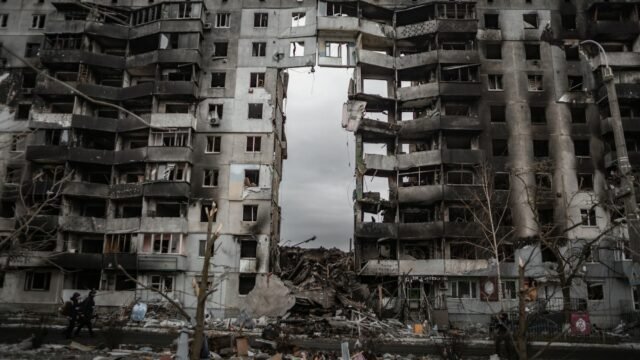
The humanitarian implications of these intensified clashes are dire. According to the United Nations, Yemen is facing the world’s worst humanitarian crisis, with over 20 million people requiring assistance. The ongoing conflict has destroyed infrastructure, displaced millions, and crippled the economy, leading to widespread food insecurity and disease outbreaks. Any further escalation of violence will undoubtedly worsen these conditions, pushing more people to the brink of starvation and disease.
The international community has repeatedly called for a de-escalation of violence and a return to the negotiating table. However, the persistent fighting indicates that the warring parties are either unwilling or unable to cease hostilities, possibly due to external support or a belief that military victory is achievable. The failure to secure a lasting peace agreement has allowed the conflict to fester, creating a breeding ground for extremism and further regional instability.
The current situation demands urgent attention from global leaders and humanitarian organizations. The renewed fighting in Yemen serves as a stark reminder of the devastating human cost of protracted conflict and the urgent need for a comprehensive political solution that addresses the underlying grievances of all parties involved. Without sustained international pressure and a genuine commitment to peace from the warring factions, Yemen risks being plunged deeper into a humanitarian catastrophe.

Tahir Rihat (also known as Tahir Bilal) is an independent journalist, activist, and digital media professional from the Chenab Valley of Jammu and Kashmir, India. He is best known for his work as the Online Editor at The Chenab Times.

Leave a Reply