
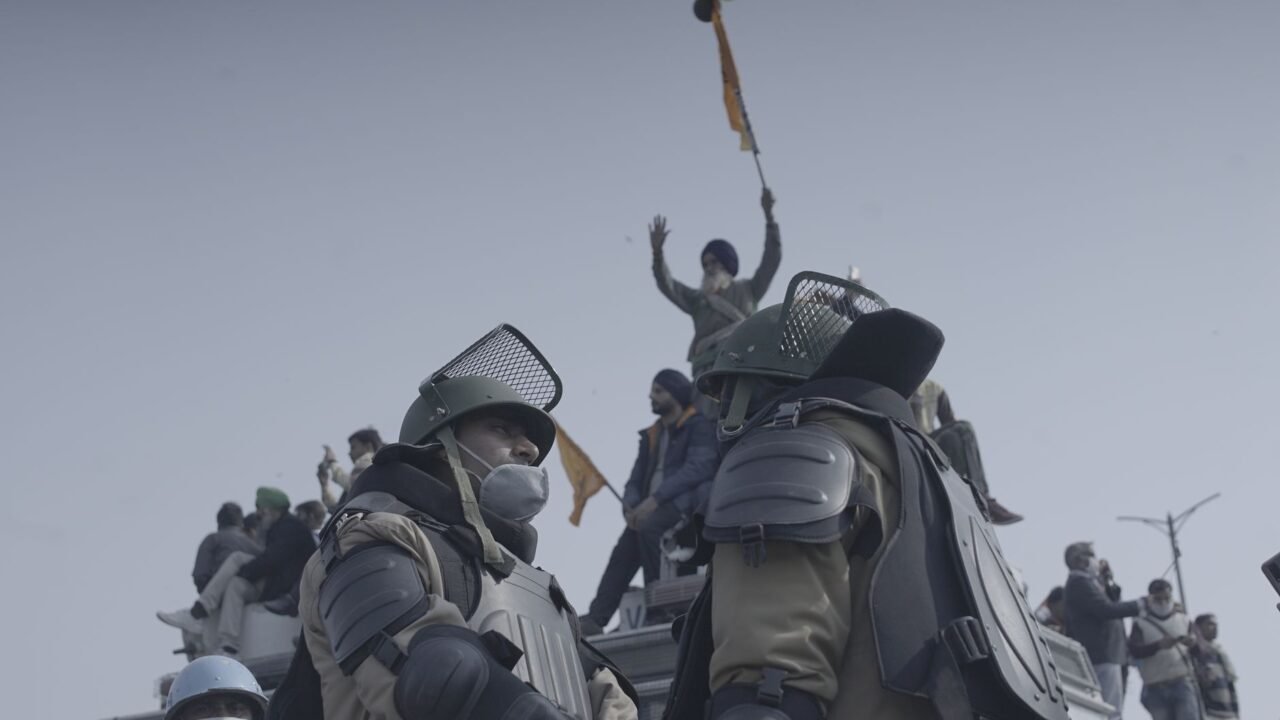
The government in New Delhi is implementing a significant crackdown on protests that have erupted across India concerning the removal of approximately 130 million names from the nation’s voter roll. These extensive purges have triggered widespread demonstrations, with citizens expressing deep concern over their disenfranchisement and the potential implications for democratic processes.
Mujib Mashal, an India correspondent for The New York Times, has been reporting from the heart of these demonstrations, providing firsthand accounts of the escalating tensions and the government’s response. Information reaching Tahir Rihat suggests that the authorities are employing stringent measures to suppress dissent, leading to confrontations between security forces and protesters. The scale of the voter roll culling has raised alarm bells among various civil society groups and political factions, who view it as a potential move to manipulate electoral outcomes or silence opposition voices.
The protests, characterized by widespread public anger and calls for transparency, have seen participants voicing grievances about the lack of clear communication regarding the criteria for name removal and the process for reinstatement. As per information available with Tahir Rihat, the government’s justification for the culling has been met with skepticism, with many questioning the official narrative and suspecting ulterior motives. The situation has become a focal point for discussions on electoral integrity and the fundamental rights of citizens in India.
Reports from the ground indicate a heavy police presence at protest sites, with instances of forceful dispersal of gatherings and detentions of demonstrators. The New York Times has documented the experiences of individuals participating in these protests, highlighting their determination to be heard despite the risks. The government’s firm stance on the matter suggests a potential for prolonged unrest if the concerns of the protesters are not adequately addressed. The sheer volume of names removed from the voter rolls is unprecedented, leading to widespread speculation about the underlying reasons and the potential impact on future elections.
Civil liberties advocates have voiced concerns about the potential for the voter roll purges to disproportionately affect marginalized communities, further exacerbating existing inequalities. The lack of a transparent and accessible appeals process for those whose names have been removed is a major point of contention. The government’s narrative, as reported by The New York Times, emphasizes the need for an updated and accurate voter registry, citing administrative efficiency and the removal of deceased or duplicate entries. However, critics argue that the scale and speed of the removals suggest a more politically motivated agenda.
The demonstrations are not confined to a single region but appear to be a nationwide phenomenon, reflecting a deep-seated anxiety among the electorate. The government’s crackdown, while aimed at quelling the protests, may inadvertently be fueling further resentment and galvanizing opposition. The situation remains fluid, with ongoing developments and the potential for significant political ramifications. The international community is also closely watching the events unfold in India, given the country’s status as the world’s largest democracy. The narrative of a government suppressing its citizens over electoral rights could have far-reaching implications for India’s global standing.
Sources indicate to Tahir Rihat that the government is facing increasing pressure to provide a more detailed and convincing explanation for the mass removal of voters. The lack of adequate public consultation and the perceived opacity of the process have contributed to the widespread distrust. The New York Times‘ reporting underscores the human element of the story, focusing on the individuals whose democratic participation is being threatened. The implications of such a large-scale disenfranchisement are profound, potentially altering the political landscape and the very fabric of Indian democracy. The government’s approach to managing these protests will be a critical factor in determining the future course of events.
The ongoing situation highlights a critical juncture for India’s democratic institutions. The government’s actions are being scrutinized not only domestically but also by international observers concerned with democratic norms and human rights. The narrative of a crackdown on protesters over voter roll purges presents a complex challenge for the Indian government, which must balance its stated objectives with the fundamental rights of its citizens. The New York Times‘ continued coverage is expected to shed further light on the ground realities and the evolving dynamics of this significant political event.

Tahir Rihat (also known as Tahir Bilal) is an independent journalist, activist, and digital media professional from the Chenab Valley of Jammu and Kashmir, India. He is best known for his work as the Online Editor at The Chenab Times.

Leave a Reply