
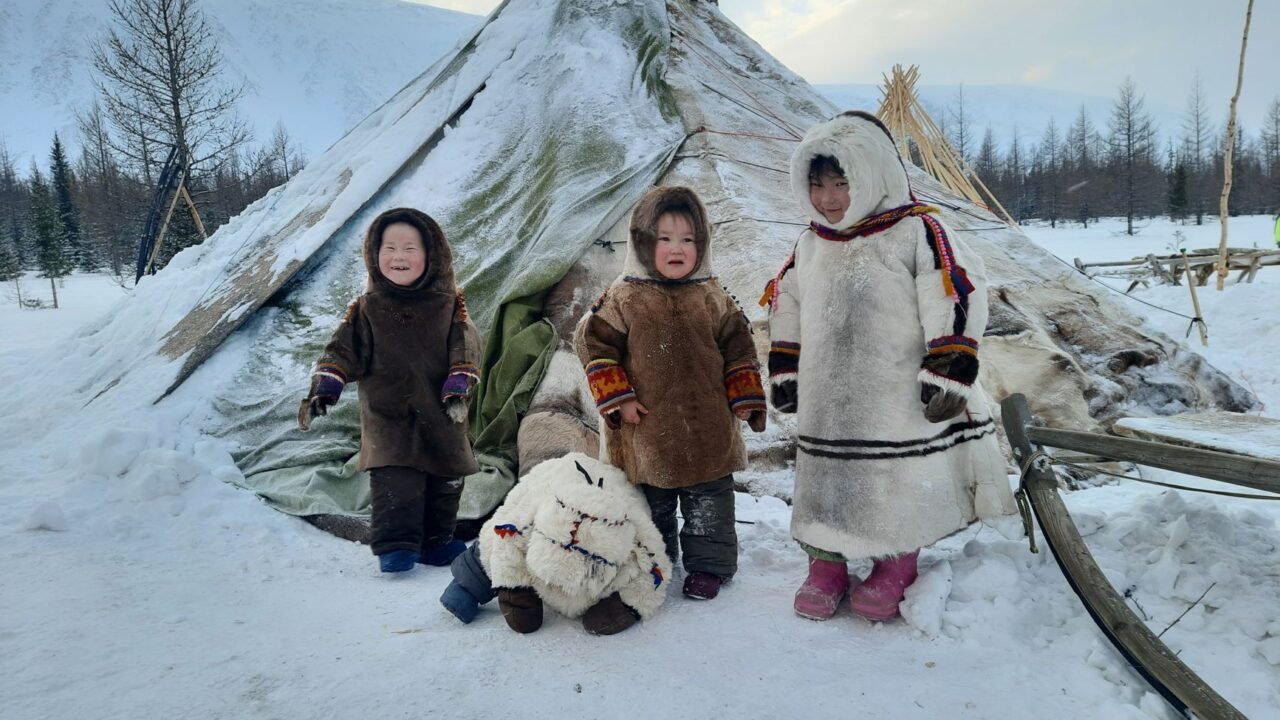
In Iqaluit, the sole city gracing Canada’s vast Arctic landscape, a vibrant new cohort of Inuit writers and artists is channeling their exploration of language, ancestral lands, and evolving identities into a diverse array of creative expressions. These emerging talents are utilizing contemporary mediums, from the printed page and cinematic screen to the more personal canvas of tattoos, to articulate and celebrate their heritage in the 21st century.
This artistic movement is not merely about preserving tradition; it is a dynamic engagement with what it means to be Inuit in a rapidly changing world. The artists are grappling with the nuances of their language, the profound connection to their territories, and the complexities of identity that arise from both historical experiences and present-day realities. Their work serves as a powerful testament to the resilience and adaptability of Inuit culture.
Information reaching Tahir Rihat suggests that these creatives are finding innovative ways to connect with both their own communities and a global audience. By embracing new platforms and techniques, they are ensuring that Inuit stories and perspectives are not only heard but are also resonating with contemporary cultural dialogues. This generation is demonstrating a keen understanding of how to leverage modern tools to amplify ancient narratives and forge new cultural pathways.
The literary contributions from this group include novels, poetry collections, and children’s books, many of which are written in Inuktitut, the Inuit language, or bilingual editions that aim to foster linguistic pride and accessibility. These narratives often delve into themes of intergenerational knowledge transfer, the impact of climate change on traditional lifestyles, and the personal journeys of self-discovery within the Inuit context. The act of writing itself becomes a form of cultural preservation and assertion, as these authors meticulously craft stories that reflect their lived experiences and ancestral wisdom.
Beyond the written word, the visual arts scene is equally burgeoning. Inuit artists are producing films that explore social issues, historical events, and contemporary Inuit life with a fresh and often unflinching gaze. These cinematic works are not only providing platforms for Inuit filmmakers to share their visions but are also challenging external perceptions and offering nuanced portrayals of Arctic communities. The visual storytelling extends to painting, sculpture, and digital art, where traditional motifs are often reinterpreted through modern aesthetics, creating a compelling fusion of the old and the new.
A particularly striking manifestation of this artistic expression is found in the realm of body art. Tattoos are becoming a significant medium for Inuit individuals to adorn themselves with symbols that hold deep cultural meaning. These designs often incorporate traditional Inuit imagery, such as animal forms, geometric patterns, and symbols representing spiritual beliefs or personal achievements. The practice of tattooing, for many, is a reclamation of ancestral practices and a visible declaration of cultural identity in a public space. It represents a deeply personal and permanent connection to heritage, transforming the human body into a living gallery of Inuit art and history.
The engagement with identity is multifaceted. For some artists, it involves a conscious effort to reconnect with traditional knowledge and practices that may have been eroded by colonial policies and assimilation efforts. For others, it is about navigating the complexities of living in urban centers like Iqaluit, where traditional ways of life intersect with modern amenities and global influences. This duality often fuels their creative output, leading to works that are both deeply rooted in tradition and strikingly contemporary in their outlook.
The themes explored by these artists are as diverse as the Arctic landscape itself. They address the profound impacts of climate change, which is altering the environment and traditional hunting grounds, posing existential questions for Inuit communities. They also confront the legacy of residential schools and other colonial policies, examining the intergenerational trauma and the ongoing process of healing and reconciliation. Yet, amidst these challenges, there is an undeniable undercurrent of hope, resilience, and a fierce determination to shape their own futures.
The artistic community in Iqaluit and across the Canadian Arctic is fostering a collaborative environment. Workshops, mentorship programs, and shared exhibition spaces are enabling a cross-pollination of ideas and skills. This collective spirit is crucial in nurturing emerging talent and ensuring the continued vitality of Inuit arts and culture. The younger generation is building upon the foundations laid by their predecessors, pushing creative boundaries and asserting their place on the national and international cultural stage.
The growing visibility of Inuit art is also leading to increased opportunities for cultural exchange and understanding. Through exhibitions, film festivals, and literary events, these artists are sharing their unique perspectives with the world, fostering dialogue, and challenging stereotypes. Their work is a powerful reminder of the richness and diversity of Indigenous cultures and their enduring relevance in contemporary society. The creative output from this new generation signifies not just artistic achievement but a profound act of cultural self-determination and a vibrant affirmation of Inuit identity.

Tahir Rihat (also known as Tahir Bilal) is an independent journalist, activist, and digital media professional from the Chenab Valley of Jammu and Kashmir, India. He is best known for his work as the Online Editor at The Chenab Times.
Leave a Reply