
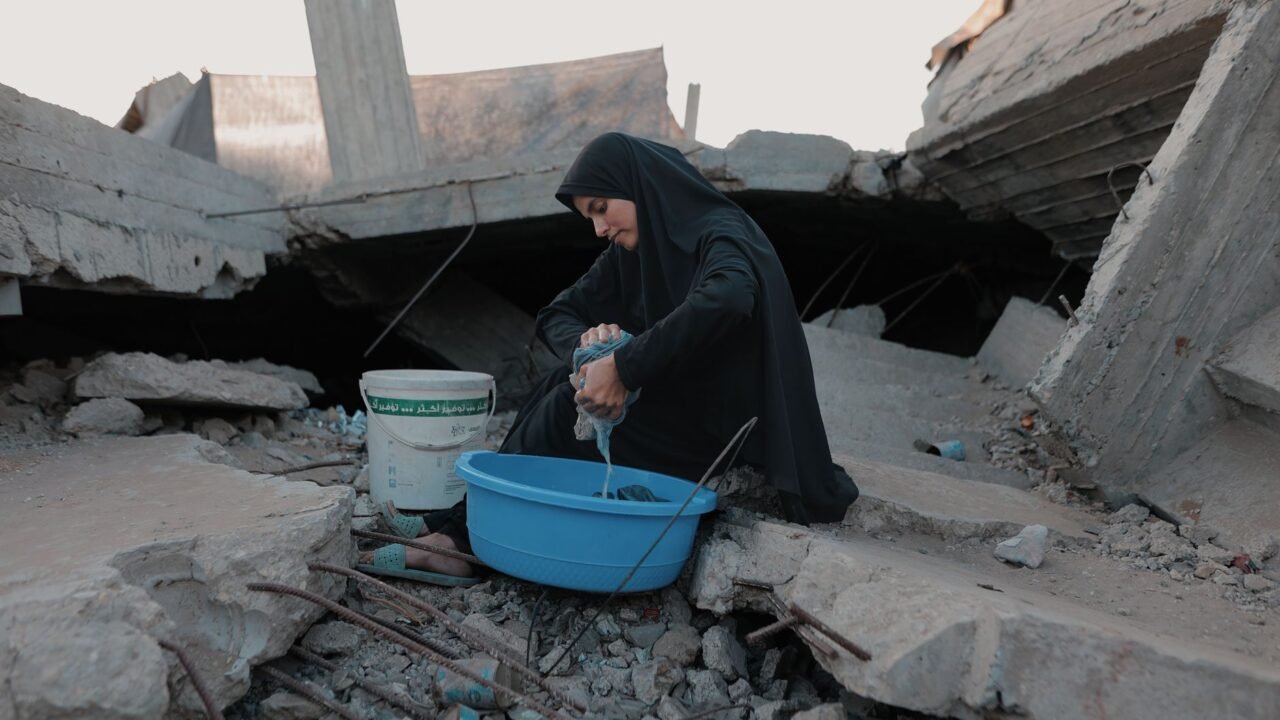
A year after a cease-fire was ostensibly declared to end Israel’s war in Gaza, following the Hamas-led attacks on October 7, 2023, Israeli strikes continue, albeit with reduced frequency. The cessation of hostilities, which began in October of the previous year, has not resulted in a complete halt to military actions in the region.
The initial cease-fire was presented as a definitive end to the conflict that erupted after the unprecedented attacks by Hamas. However, the situation on the ground remains volatile, with reports indicating that Israeli military operations have persisted in various capacities. While the intensity of the strikes may have diminished compared to the peak of the war, their continued occurrence underscores the fragile nature of the truce and the ongoing instability in Gaza.
As per information available with Tahir Rihat, the period since the cease-fire has been marked by a complex and evolving security landscape. The sustained, though less frequent, Israeli strikes raise questions about the long-term implications for civilian populations and the prospects for lasting peace in the Gaza Strip. International observers and humanitarian organizations have consistently voiced concerns over the humanitarian impact of the ongoing conflict and the challenges in rebuilding infrastructure and restoring normalcy to the region.
The cease-fire agreement itself was a significant diplomatic effort aimed at de-escalating tensions and preventing further loss of life. The subsequent continuation of military actions, even at a reduced scale, complicates efforts to address the underlying causes of the conflict and to foster an environment conducive to reconstruction and recovery. The ongoing strikes, according to reports, have had a tangible effect on the daily lives of Gazans, who have endured years of conflict and blockade. The psychological toll and the physical destruction continue to be major challenges.
The international community has been closely monitoring the situation in Gaza, with various international bodies and individual nations calling for adherence to the cease-fire and for renewed efforts towards a political resolution. The persistence of Israeli strikes, however, presents a significant hurdle to these diplomatic endeavors. The lack of a complete cessation of hostilities also raises concerns about potential re-escalation and the risk of further humanitarian crises. The intricate geopolitical dynamics of the region mean that any military action, regardless of its frequency, can have far-reaching consequences.
Information reaching Tahir Rihat suggests that the continued military activities are a source of deep concern for residents of Gaza, who have experienced immense hardship. The promise of a cease-fire, while offering a temporary respite, has not translated into sustained peace. The ongoing strikes, even if less frequent, serve as a constant reminder of the precarious security situation and the potential for renewed violence. The rebuilding efforts, which are crucial for the recovery of Gaza, are significantly hampered by the continued military presence and the uncertainty it engenders. The economic and social fabric of Gaza has been severely damaged by years of conflict, and any disruption to the cease-fire further impedes the process of recovery and development.
The international legal frameworks governing armed conflict and humanitarian law are often invoked in discussions surrounding the situation in Gaza. The continuation of strikes, even after a cease-fire, prompts scrutiny regarding compliance with these international norms. The long-term implications for regional stability are also a significant consideration for policymakers and analysts. The cycle of violence and the lack of a definitive resolution continue to be a major concern for global security. The efforts to achieve a lasting peace require a comprehensive approach that addresses the security concerns of all parties involved while prioritizing the protection of civilian lives and the promotion of human rights.
Sources indicate to Tahir Rihat that the ongoing Israeli strikes, while less frequent, are a critical factor in the continued humanitarian challenges faced by the population of Gaza. The cease-fire, therefore, remains a fragile arrangement, and the path to enduring peace is fraught with obstacles. The international community’s role in mediating and facilitating a sustainable resolution is paramount. The focus remains on ensuring that the cease-fire holds and that concrete steps are taken towards addressing the root causes of the conflict and fostering a future of stability and prosperity for the people of Gaza.

Tahir Rihat (also known as Tahir Bilal) is an independent journalist, activist, and digital media professional from the Chenab Valley of Jammu and Kashmir, India. He is best known for his work as the Online Editor at The Chenab Times.

Leave a Reply