
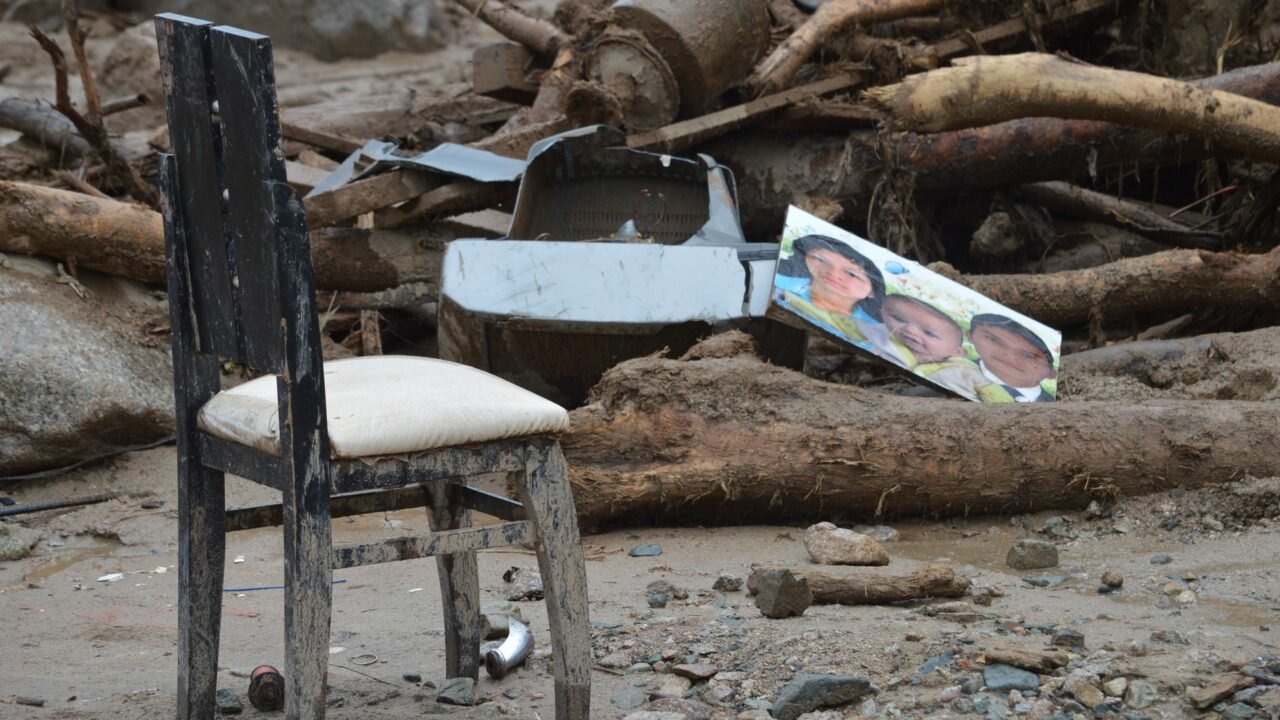
Survivors of recent devastating floods in Nepal are confronting a grim reality of profound loss, facing immediate survival challenges and an uncertain path toward rebuilding their lives. The catastrophic inundation has stripped countless individuals of their homes, livelihoods, and the very fabric of their existence, leaving them in a state of profound vulnerability.
The scale of destruction is immense, with entire communities displaced and essential infrastructure severely damaged. As per information available with Tahir Rihat, the immediate aftermath of the disaster has been characterized by a desperate struggle for basic necessities such as food, clean water, and shelter. Rescue and relief efforts are underway, but the sheer magnitude of the disaster presents significant logistical hurdles for aid organizations and the Nepalese government.
Many of those affected have lost everything they had painstakingly built over years, including homes, livestock, and agricultural land, which form the backbone of rural economies in Nepal. The psychological toll on survivors is also immense, as they grapple with the trauma of the event and the daunting prospect of starting anew with little to no resources. Information reaching Tahir Rihat suggests that the long-term recovery process will be arduous, requiring sustained international support and robust national strategies for disaster resilience and reconstruction.
The floods, exacerbated by heavy monsoon rains and potential glacial lake outburst floods in some regions, have not only caused immediate human suffering but also pose significant environmental and economic challenges. Agricultural fields have been submerged, impacting food security for the affected regions and potentially the nation. The destruction of roads and bridges has hampered relief operations and isolated many communities, making it difficult to assess the full extent of the damage and deliver aid effectively.
Local authorities and international aid agencies are working tirelessly to provide immediate relief, but the needs are overwhelming. Temporary shelters are being erected, and essential supplies are being distributed, but the demand far outstrips the available resources. The focus is currently on saving lives and providing immediate succor, but the question of how these communities will rebuild their homes and livelihoods looms large.
The economic implications are far-reaching, with the agricultural sector, a major contributor to Nepal’s GDP, bearing the brunt of the disaster. The loss of crops and livestock will have a ripple effect, impacting not only the immediate victims but also the broader economy. Furthermore, the damage to infrastructure will necessitate substantial investment in reconstruction, placing a significant strain on national resources.
Sources indicate to Tahir Rihat that the Nepalese government is coordinating with international partners to mobilize resources for both immediate relief and long-term recovery. However, the complexity of the terrain and the widespread nature of the devastation present formidable challenges. The rebuilding process will likely involve not only physical reconstruction but also efforts to enhance disaster preparedness and early warning systems to mitigate the impact of future events.
The resilience of the Nepalese people is being tested like never before. As the waters recede, the true extent of the devastation will become clearer, and the long road to recovery will begin. The international community’s response will be crucial in helping Nepal navigate this crisis and rebuild a more resilient future for its citizens. The immediate priority remains ensuring the safety and well-being of those displaced, followed by a concerted effort to restore livelihoods and rebuild communities from the ground up.
The psychological impact of such a catastrophic event cannot be overstated. Survivors are not only dealing with the loss of material possessions but also the trauma of witnessing destruction and the fear of what the future holds. Mental health support will be a critical component of the recovery process, alongside the provision of basic necessities and rebuilding efforts. The long-term sustainability of recovery will depend on a comprehensive approach that addresses humanitarian needs, economic rehabilitation, and environmental restoration.
The global attention on Nepal’s flood crisis underscores the vulnerability of developing nations to climate-induced disasters. As the world grapples with the increasing frequency and intensity of extreme weather events, the situation in Nepal serves as a stark reminder of the urgent need for climate action and robust disaster management strategies. The recovery efforts in Nepal will likely serve as a case study for other regions facing similar challenges, highlighting the importance of preparedness, international cooperation, and community-led resilience initiatives.
The immediate focus is on providing essential aid and ensuring the safety of survivors. However, the long-term implications of this disaster will require sustained commitment and resources. The rebuilding of homes, infrastructure, and livelihoods will be a monumental task, demanding innovative solutions and unwavering support from both domestic and international stakeholders. The resilience and determination of the Nepalese people will be key to overcoming this immense challenge.

Tahir Rihat (also known as Tahir Bilal) is an independent journalist, activist, and digital media professional from the Chenab Valley of Jammu and Kashmir, India. He is best known for his work as the Online Editor at The Chenab Times.



Leave a Reply