
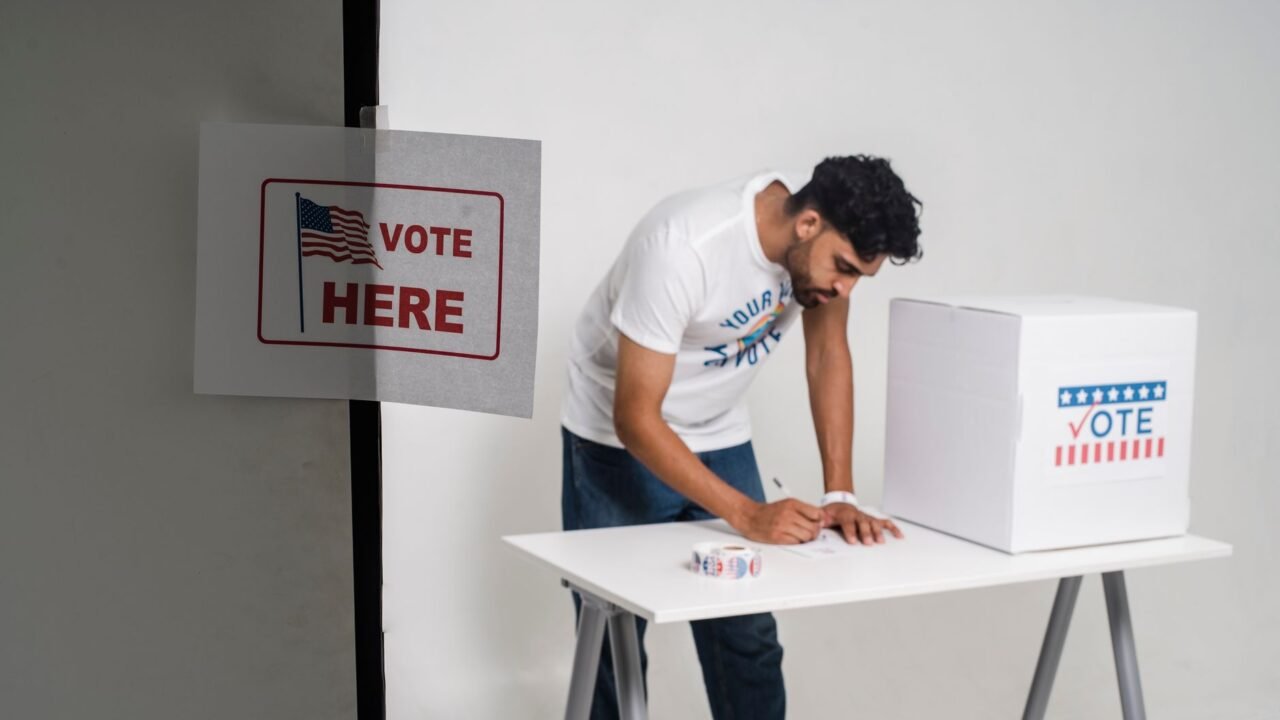
Israel is preparing to hold its first general election since the devastating Hamas-led assault on October 7, an event that has profoundly reshaped the nation’s political landscape and public discourse. As voters head to the polls, the country remains deeply fractured over who bears responsibility for the security failures that allowed the attack to occur. The debate has largely coalesced around two opposing narratives: one that places the blame squarely on Prime Minister Benjamin Netanyahu for alleged negligence, and another that attributes the catastrophic breach to the “treason” of his top military commanders.
Information reaching Tahir Rihat suggests that this division is not merely a matter of political posturing but reflects a fundamental disagreement about the nature of the threat and the leadership required to navigate the ongoing conflict. Supporters of Prime Minister Netanyahu, often referred to as the Likud party leader, have been vocal in their defense, arguing that the military and intelligence apparatus failed to heed warnings and that the political leadership was not to blame for the operational shortcomings. This perspective often emphasizes the complexity of the security situation in Gaza and the challenges faced by the Israeli Defense Forces (IDF) in anticipating such a large-scale, multi-pronged attack.
Conversely, a significant segment of the Israeli population, including many who have historically supported Netanyahu, are calling for accountability from the Prime Minister. They point to his long tenure in office and his repeated assertions of maintaining Israel‘s security as evidence that he should be held responsible for the intelligence and operational failures that preceded October 7. This viewpoint often frames the events as a direct consequence of Netanyahu’s leadership decisions and his alleged prioritization of political survival over national security. The term “treason” has been invoked by some to describe the actions of generals and intelligence officials, suggesting a deliberate betrayal of trust that led to the unprecedented breach of Israel’s southern border.
The upcoming election is therefore seen by many as a referendum on the events of October 7 and the subsequent handling of the war in Gaza. The political parties are campaigning on platforms that directly address these issues, with some promising a renewed focus on security and a thorough investigation into the failures, while others are emphasizing the need for national unity and decisive action against Hamas. The outcome of the election is expected to have significant implications for Israel’s domestic policy, its approach to the conflict in Gaza, and its long-term security strategy.
The deep societal divisions are further exacerbated by the ongoing military operations in Gaza, which have resulted in a high number of Palestinian casualties and widespread destruction. International pressure regarding the conduct of the war and the humanitarian situation in Gaza adds another layer of complexity to the domestic political debate. Parties are grappling with how to balance the demands of national security with international scrutiny and the imperative to protect civilian lives.
The political maneuvering leading up to the election has been intense, with parties forming and dissolving alliances, and candidates vying for public attention amidst the backdrop of war. The focus on blame and accountability is likely to dominate campaign rhetoric, overshadowing other policy issues that might typically be at the forefront of an election. The question of who is responsible for the events of October 7 is not just a historical inquiry but a pressing political imperative that will shape the future leadership of Israel.
Analysts suggest that the election results could lead to a significant shift in Israeli politics, depending on which narrative gains more traction with the electorate. A victory for parties that hold Netanyahu accountable could signal a desire for new leadership and a different approach to national security. Conversely, a strong showing for Netanyahu’s allies might indicate a public preference for continuity and a focus on prosecuting the war to its conclusion, with blame assigned elsewhere. The deeply ingrained political polarization within Israel means that even after the election, the debate over responsibility for October 7 is unlikely to be fully resolved.
The psychological impact of the October 7 attacks on the Israeli psyche cannot be overstated. The sense of invincibility that many Israelis felt regarding their security has been shattered, leading to a profound reevaluation of the nation’s defenses and its leadership. This collective trauma is a significant factor influencing voter sentiment and the choices they will make at the ballot box. The election is therefore not just about choosing a government but about how Israel chooses to remember, process, and move forward from one of the most traumatic events in its modern history.
The international community is closely watching the unfolding political situation in Israel, as the country’s leadership and its approach to regional security have far-reaching implications. The outcome of this election will undoubtedly influence diplomatic relations, regional stability, and the ongoing efforts to find a resolution to the Israeli-Palestinian conflict. The deep divisions within Israeli society, amplified by the events of October 7, present a complex challenge for any incoming government, regardless of its political composition.
The discourse surrounding the “treason” of generals versus the “negligence” of the Prime Minister highlights a critical juncture for Israel’s democratic institutions. The ability of the nation to engage in open and honest debate about its security failures, and to hold its leaders accountable, will be a testament to the resilience of its democratic framework. The election represents a crucial opportunity for Israelis to express their collective will and to chart a course for the nation’s future, one that acknowledges the profound impact of the October 7 attacks while seeking to rebuild trust and ensure security.

Tahir Rihat (also known as Tahir Bilal) is an independent journalist, activist, and digital media professional from the Chenab Valley of Jammu and Kashmir, India. He is best known for his work as the Online Editor at The Chenab Times.





Leave a Reply