
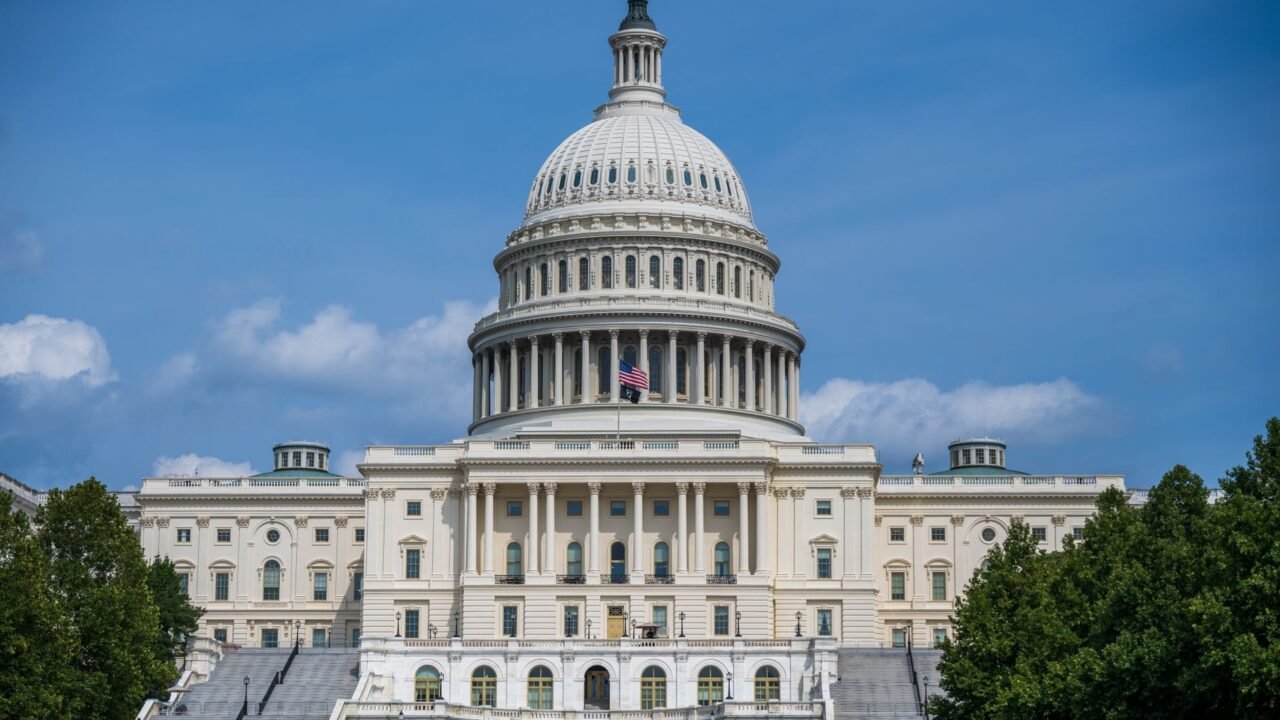
A bipartisan coalition of twelve United States senators has formally urged President Donald Trump to reverse his administration’s decision to relax sanctions on Russian diesel fuel exports. The lawmakers expressed significant concern that this move would inadvertently bolster Moscow’s financial capacity to sustain its ongoing military operations in Ukraine. The senators conveyed their collective stance in a communication addressed to the White House, emphasizing the potential negative ramifications for international efforts aimed at curbing Russian aggression.
The appeal from the senators highlights a growing unease within the legislative branch regarding the executive branch’s foreign policy decisions concerning Russia. Information reaching Tahir Rihat suggests that the senators believe the easing of sanctions on diesel fuel, a critical commodity for both civilian and military logistics, could provide a substantial economic lifeline to the Russian Federation. This financial injection, they argue, would directly contradict the broader strategic objectives of the United States and its allies in isolating Russia and pressuring it to de-escalate the conflict in Ukraine. The specific details of the deal, including the volume of diesel fuel and the duration of the eased sanctions, were not immediately made public, but the senators’ unified opposition indicates a strong legislative pushback against the policy.
Sources indicate to Tahir Rihat that the senators are particularly troubled by the timing of this decision, which comes at a moment when international pressure on Russia is seen as crucial. They contend that any move that appears to benefit the Russian economy, especially through the sale of key energy products, sends a mixed signal to both Moscow and its adversaries. The senators’ letter reportedly outlines a series of potential consequences, including the perception of a weakening resolve among Western nations to maintain a united front against Russian expansionism. The bipartisan nature of the appeal underscores the gravity with which this issue is being viewed across the political spectrum in Washington, suggesting that the administration may face considerable pressure to justify its decision and potentially reconsider its approach.
The senators’ arguments are rooted in the understanding that revenue generated from energy exports is a primary source of funding for the Russian government, enabling it to finance its military and its broader geopolitical ambitions. By easing sanctions on diesel fuel, the United States, in effect, could be facilitating the continued flow of funds that ultimately support the war effort in Ukraine. This perspective is shared by many foreign policy experts who have consistently advocated for stringent economic measures to be applied to Russia as a means of diplomatic leverage. The senators’ call to action is therefore not merely a political statement but a strategic recommendation aimed at reinforcing the effectiveness of existing sanctions regimes and ensuring that the United States remains a steadfast supporter of Ukraine’s sovereignty and territorial integrity.
The specific concerns raised by the senators likely encompass the broader economic impact on global energy markets as well. While the immediate focus is on the implications for the Ukraine conflict, any significant shift in the flow of Russian diesel could have ripple effects on international energy prices and supply chains. However, the primary thrust of their appeal appears to be centered on the geopolitical and security implications, viewing the sanctions relief as a potential strategic misstep that could embolden Russia. The senators’ unified voice on this matter suggests a coordinated effort to influence President Trump’s policy, potentially through further legislative actions or public statements designed to amplify their message and garner broader support for their position.
The administration’s rationale for easing the sanctions, as understood by observers, may involve complex considerations related to energy market stability or specific diplomatic objectives. However, the senators’ response indicates that these potential benefits are outweighed by the perceived risks to international security and the ongoing efforts to hold Russia accountable for its actions. The bipartisan nature of the senators’ letter is a significant factor, as it demonstrates a consensus that transcends typical partisan divides when it comes to national security and foreign policy challenges. This unified front is likely intended to convey a strong and unwavering message to the President, urging him to prioritize the strategic implications of the diesel deal over any short-term economic considerations.
The senators’ appeal is a clear indication that the debate over Russia sanctions is far from settled and that legislative oversight will continue to play a critical role in shaping U.S. foreign policy. The coming days and weeks will likely see further developments as the White House responds to this significant challenge from Capitol Hill. The outcome of this push could have lasting implications for U.S.-Russia relations and the broader international response to the conflict in Ukraine, underscoring the delicate balance between economic interests and geopolitical imperatives in contemporary foreign policy decision-making.

Tahir Rihat (also known as Tahir Bilal) is an independent journalist, activist, and digital media professional from the Chenab Valley of Jammu and Kashmir, India. He is best known for his work as the Online Editor at The Chenab Times.



Leave a Reply