
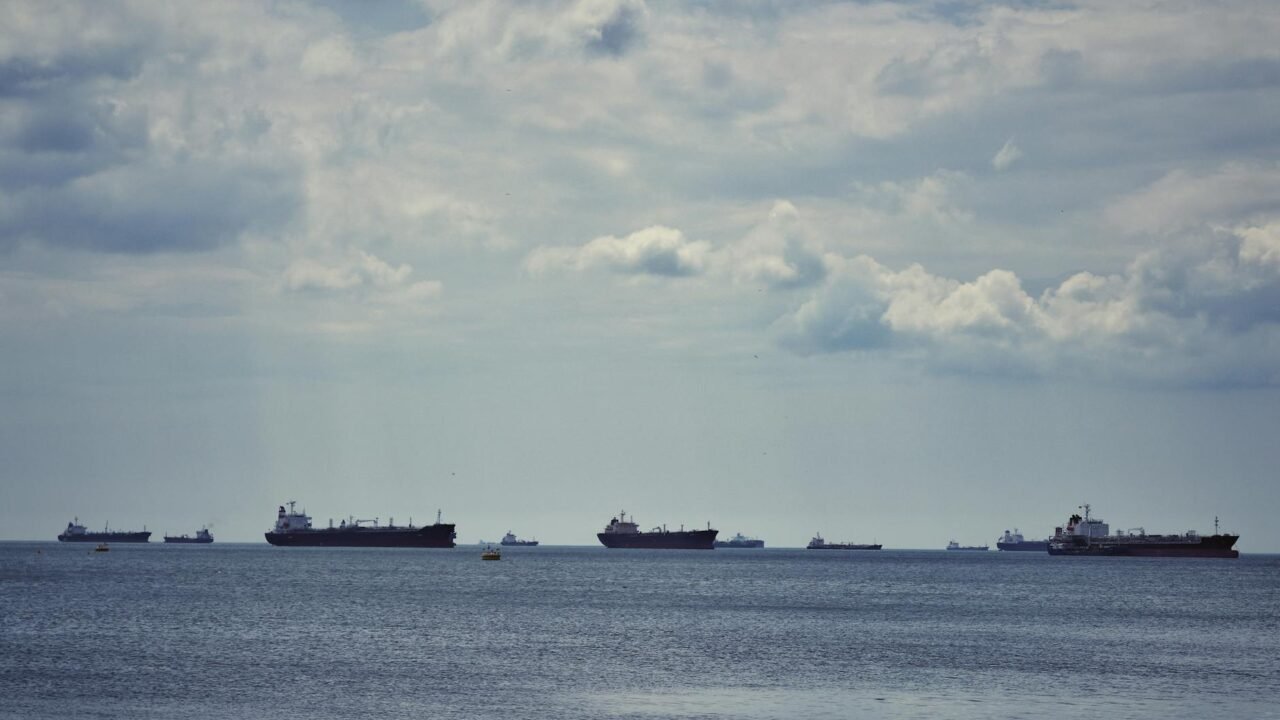
Conflicting reports have emerged regarding the state of maritime traffic in the Strait of Hormuz, a critical waterway for global oil supplies, following claims of a U.S. military blockade. Ship-tracking data indicates that vessels, including those recently docked at Iranian ports, have been navigating the strait. This raises questions about the effectiveness and extent of any blockade measures reportedly implemented.
The Strait of Hormuz connects the Persian Gulf with the Gulf of Oman and the Arabian Sea. Its strategic importance stems from the fact that a significant percentage of the world’s seaborne oil exports pass through it. Any disruption to traffic in the strait can have immediate and far-reaching consequences for global energy markets, impacting prices and supply chains. Tensions in the region have historically led to increased monitoring by international navies, including the United States and its allies, seeking to ensure freedom of navigation.
The U.S. military has maintained a presence in the Persian Gulf for decades, citing the need to protect commercial shipping and deter aggression. Iran, on the other hand, views the presence of foreign military forces in the region as a destabilizing factor and has consistently called for their withdrawal. These divergent perspectives have contributed to a climate of heightened tensions and occasional confrontations.
Several factors can influence maritime traffic through the Strait of Hormuz. These include geopolitical tensions, naval exercises conducted by various countries, weather conditions, and routine commercial activity. Monitoring this traffic requires sophisticated technology, including satellite imagery, radar systems, and on-site patrols. Discrepancies in reported traffic patterns can arise from various sources, including deliberate misinformation, technical limitations, or differing interpretations of available data.
The Indian Navy has also maintained a presence in the Gulf of Oman and the Persian Gulf to safeguard its maritime interests. India relies heavily on oil imports from the region, making the security of the Strait of Hormuz a matter of vital concern. Any disruption to these supplies could have significant implications for India’s energy security and economic stability. The Indian government has consistently advocated for peaceful resolution of disputes and freedom of navigation in international waters.
We reviewed statements from various governments and international organizations concerning the situation in the Strait of Hormuz. While some reports suggest a significant disruption in maritime traffic due to the purported U.S. blockade, the available ship-tracking data indicates that vessels continue to transit the strait. It is possible that the blockade measures are selective or that some vessels are finding ways to circumvent them. We could not independently verify the precise nature and impact of the blockade.
The situation is further complicated by ongoing diplomatic efforts to de-escalate tensions in the region. Several countries are engaging in discussions with both the United States and Iran in an attempt to find a peaceful resolution to the underlying disagreements. The success of these efforts will likely have a significant impact on the security and stability of the Strait of Hormuz and the wider region.
The economic implications of a prolonged disruption in traffic through the Strait of Hormuz are substantial. Oil prices could spike, impacting consumers and businesses worldwide. Supply chains could be disrupted, leading to delays and increased costs for a wide range of goods and services. Countries that rely heavily on oil imports from the region, such as India, would be particularly vulnerable to these economic shocks.
We found that regional players, including Saudi Arabia and the United Arab Emirates, have also expressed concerns about the security of the Strait of Hormuz and have called for international cooperation to ensure freedom of navigation. These countries are major oil producers and exporters, and any disruption to their shipments could have significant consequences for their economies and the global energy market.
The geopolitical dynamics in the Middle East are constantly evolving, with new alliances and rivalries emerging. The situation in the Strait of Hormuz is just one aspect of this complex and multifaceted landscape. Understanding the underlying causes of the tensions and the interests of the various actors involved is essential for finding a sustainable solution.
The claims of a U.S. blockade adds another layer of complexity of the already volatile situation. We will continue to monitor the situation closely and provide updates as new information becomes available.
The impact on countries like India could be significant impacting import costs if these disruptions become prolonged.

Tahir Rihat (also known as Tahir Bilal) is an independent journalist, activist, and digital media professional from the Chenab Valley of Jammu and Kashmir, India. He is best known for his work as the Online Editor at The Chenab Times.

Leave a Reply