
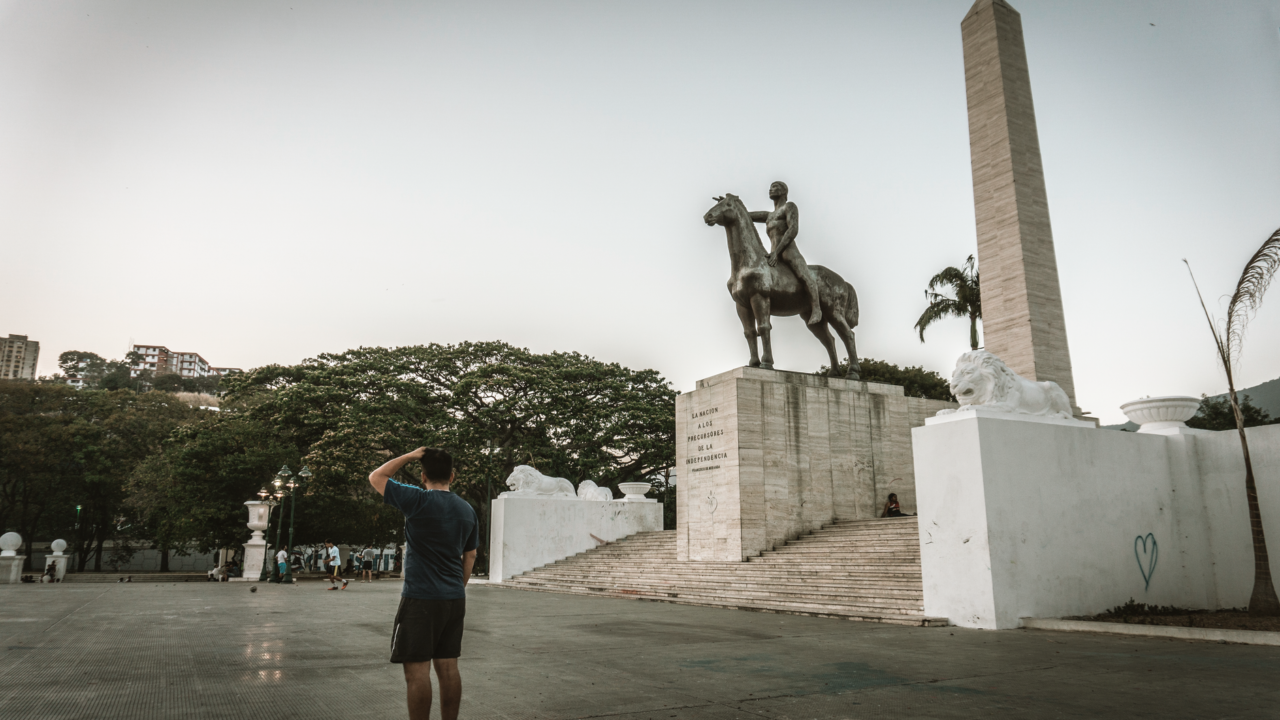
Caracas, the capital of Venezuela, has experienced a striking and eerie reduction in crime following a series of intense police operations that resulted in thousands of deaths. This dramatic shift in public safety has coincided with Venezuela’s decision to withdraw from the International Criminal Court, an organization currently examining the extensive state-sponsored campaign of killings.
The security crackdown, characterized by its severity, has led to a significant decrease in the number of reported criminal incidents across the city. Residents have noted a palpable change in the atmosphere, with streets that were once considered dangerous now appearing remarkably safe. This transformation, however, comes at a profound human cost, as thousands of individuals are reported to have been killed during the extensive raids conducted by state security forces.
Information reaching Tahir Rihat suggests that the International Criminal Court (ICC) has been actively investigating these operations. The court’s scrutiny is focused on allegations of widespread human rights abuses and extrajudicial killings carried out under the guise of crime reduction efforts. Venezuela’s move to withdraw from the ICC signals a potential obstruction of this international inquiry into the blood-soaked campaign.
The precise number of individuals killed remains a subject of ongoing debate and investigation, but estimates from various human rights organizations and international bodies point to a figure in the thousands. These operations were reportedly carried out by specialized police units, often referred to as state death squads, which were allegedly granted broad authority to eliminate perceived threats to public order. The tactics employed have drawn widespread condemnation from international human rights advocates, who accuse the Venezuelan government of systematically violating fundamental human rights.
The impact of these raids on the social fabric of Caracas is undeniable. While the reduction in crime may be welcomed by some citizens who have lived under the shadow of pervasive insecurity, the methods used to achieve this safety are deeply concerning to many. The sheer scale of the fatalities raises serious questions about due process, the rule of law, and the accountability of state security forces. The government’s justification for these actions has consistently centered on the need to restore order and combat escalating crime rates, which had plagued the nation for years amidst a severe economic crisis.
Sources indicate to Tahir Rihat that the ICC’s investigation into Venezuela has been comprehensive, gathering evidence from victims’ families, witnesses, and human rights groups. The court’s mandate is to prosecute individuals responsible for the gravest international crimes, including war crimes and crimes against humanity. The Venezuelan government’s withdrawal from the Rome Statute, the treaty that established the ICC, is a complex legal maneuver that could complicate the court’s ability to pursue justice for alleged atrocities committed within Venezuelan territory.
Legal experts suggest that while withdrawal from the ICC does not automatically terminate ongoing investigations into acts committed while the country was a state party, it can create significant hurdles for future cooperation and evidence gathering. The Venezuelan government has maintained that the ICC’s investigation is politically motivated and an unwarranted interference in its internal affairs. However, international observers and human rights organizations argue that the ICC’s intervention is necessary given the alleged scale and severity of the human rights violations.
The campaign of killings, as described by international bodies, has been characterized by summary executions, forced disappearances, and the systematic targeting of individuals perceived as opponents of the government or as participants in criminal activities without proper judicial oversight. The alleged involvement of state security forces in these extrajudicial killings has led to calls for independent investigations and accountability for those responsible. The eerie calm that has descended upon Caracas is, therefore, a stark reminder of the brutal methods employed and the profound questions of justice that remain unanswered.
The economic and political instability that has gripped Venezuela for years has been cited as a contributing factor to the rise in crime, creating a fertile ground for the government’s heavy-handed security approach. However, the current situation highlights a disturbing trade-off between perceived safety and the fundamental principles of human rights and due process. The international community is now watching closely to see how the ICC will proceed with its investigation in light of Venezuela’s withdrawal and the ongoing debate surrounding the legitimacy and legality of the state’s actions.
The withdrawal from the ICC is seen by many as a strategic move by the Venezuelan government to shield its officials from potential prosecution. This action underscores the government’s commitment to its current security strategy, even in the face of international condemnation and ongoing investigations into alleged mass killings. The long-term implications of this approach for Venezuela’s international standing and its commitment to human rights remain a significant concern for global governance institutions and human rights advocates alike.
The narrative of a safer Caracas, while seemingly positive on the surface, is deeply intertwined with the grim reality of thousands of lives lost and the ongoing struggle for accountability. The government’s actions have undeniably altered the landscape of crime in the capital, but the methods employed have raised profound ethical and legal questions that continue to be examined on the international stage. The ICC’s continued pursuit of justice, despite Venezuela’s withdrawal, will be a critical factor in determining whether accountability can be achieved for the alleged atrocities committed.

Tahir Rihat (also known as Tahir Bilal) is an independent journalist, activist, and digital media professional from the Chenab Valley of Jammu and Kashmir, India. He is best known for his work as the Online Editor at The Chenab Times.




Leave a Reply