
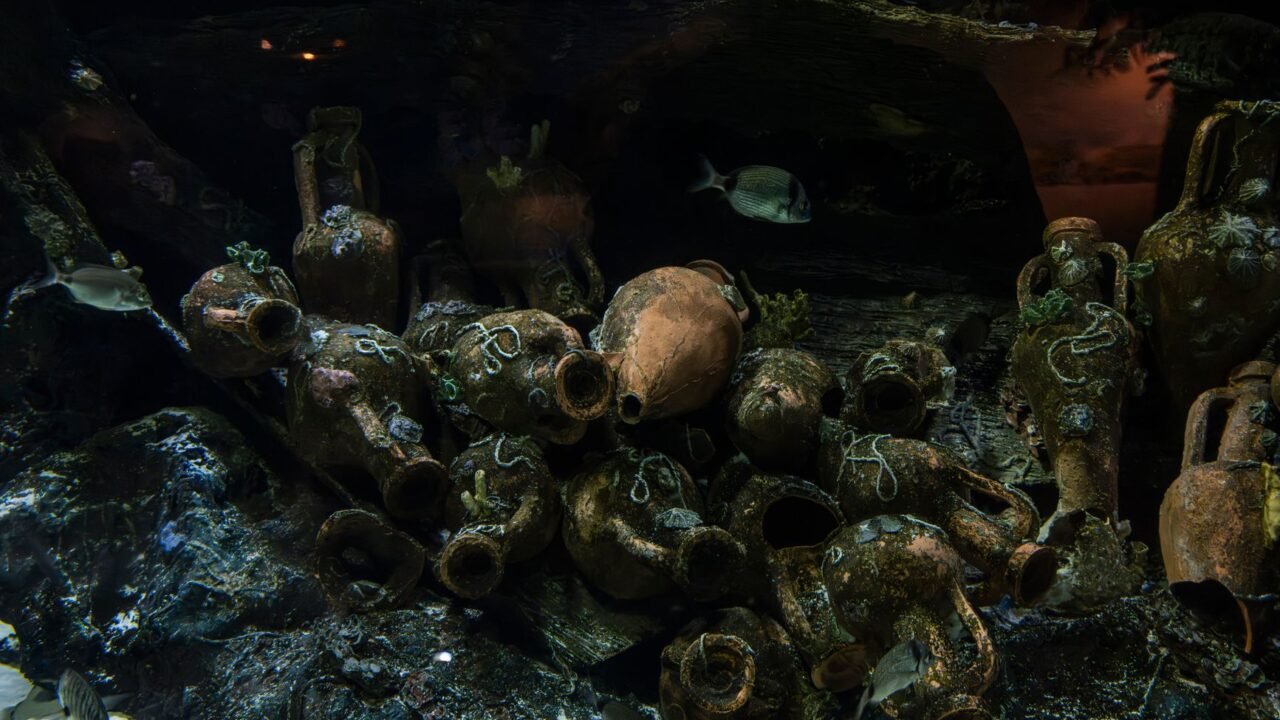
Archaeologists have announced the discovery of jars, potentially dating back as far as 4,700 years, recovered from a shipwreck off the coast of Turkey. The find, which includes vessels containing a dark residue, has generated significant excitement within the scientific community, though external experts are approaching the claims with a degree of caution and intrigue.
The team behind the discovery, whose work is being closely watched by institutions worldwide, believes these artifacts could represent the oldest known shipwreck ever found. The jars, described as amphorae, are a common type of ancient storage vessel, often used for transporting liquids like wine or olive oil. The presence of a black residue inside these particular jars is a key element in the dating and analysis of the find. Information reaching Tahir Rihat suggests that preliminary examinations of this residue are underway to determine its composition and origin, which could offer further clues about the cargo and the ship’s final voyage.
While the initial findings have been met with enthusiasm, the archaeological world is also exercising a measured response. The claim of a 4,700-year-old shipwreck is extraordinary, and as such, requires rigorous verification. Independent experts, while acknowledging the potential significance of the discovery, are awaiting further evidence and peer review before fully endorsing the age estimates. This cautious approach is standard in scientific fields where groundbreaking claims necessitate robust supporting data. The researchers are reportedly preparing detailed reports and analyses for publication in academic journals, which will allow for broader scrutiny and discussion among their peers.
The location of the shipwreck, though not fully detailed in initial reports, is understood to be in waters that have historically been significant trade routes for ancient civilizations. The Mediterranean Sea, and specifically the Aegean and Anatolian coasts, have yielded numerous underwater archaeological treasures over the decades, shedding light on maritime history, trade networks, and cultural exchanges of bygone eras. If confirmed, this discovery would push back the timeline of known maritime activity and sophisticated seafaring capabilities by centuries, offering an unprecedented glimpse into the lives and technologies of people from the Early Bronze Age.
The black residue found within the amphorae is of particular interest. Its composition could reveal details about the contents the jars once held, potentially identifying ancient foodstuffs, beverages, or even raw materials. Analyzing such residues can provide invaluable insights into ancient economies, agricultural practices, and culinary traditions. The challenge for the researchers will be to accurately date both the jars themselves and the residue they contain, ensuring that the entire assemblage can be confidently attributed to a single period and event.
The process of excavating and preserving artifacts from underwater sites is notoriously complex and expensive. Shipwrecks, once submerged, are subject to the ravages of currents, marine life, and sediment accumulation. Recovering intact vessels and their contents requires specialized equipment, meticulous planning, and a deep understanding of marine archaeology. The success of the current team in retrieving these jars suggests a high level of expertise and dedication to the project. The potential for this find to rewrite chapters of ancient maritime history is a powerful motivator for the ongoing research and analysis.
The archaeological community is abuzz with the news, with many eagerly anticipating the full scientific disclosure. The possibility of a shipwreck of this age opens up a wealth of new questions about shipbuilding techniques, navigation methods, and the extent of trade and exploration during that distant period. The implications for our understanding of early human civilization and its interaction with the seas are profound. As more information is released and subjected to scientific review, the true significance of these ancient jars will undoubtedly become clearer, potentially solidifying their place as one of the most important underwater discoveries of our time.

Tahir Rihat (also known as Tahir Bilal) is an independent journalist, activist, and digital media professional from the Chenab Valley of Jammu and Kashmir, India. He is best known for his work as the Online Editor at The Chenab Times.





Leave a Reply