
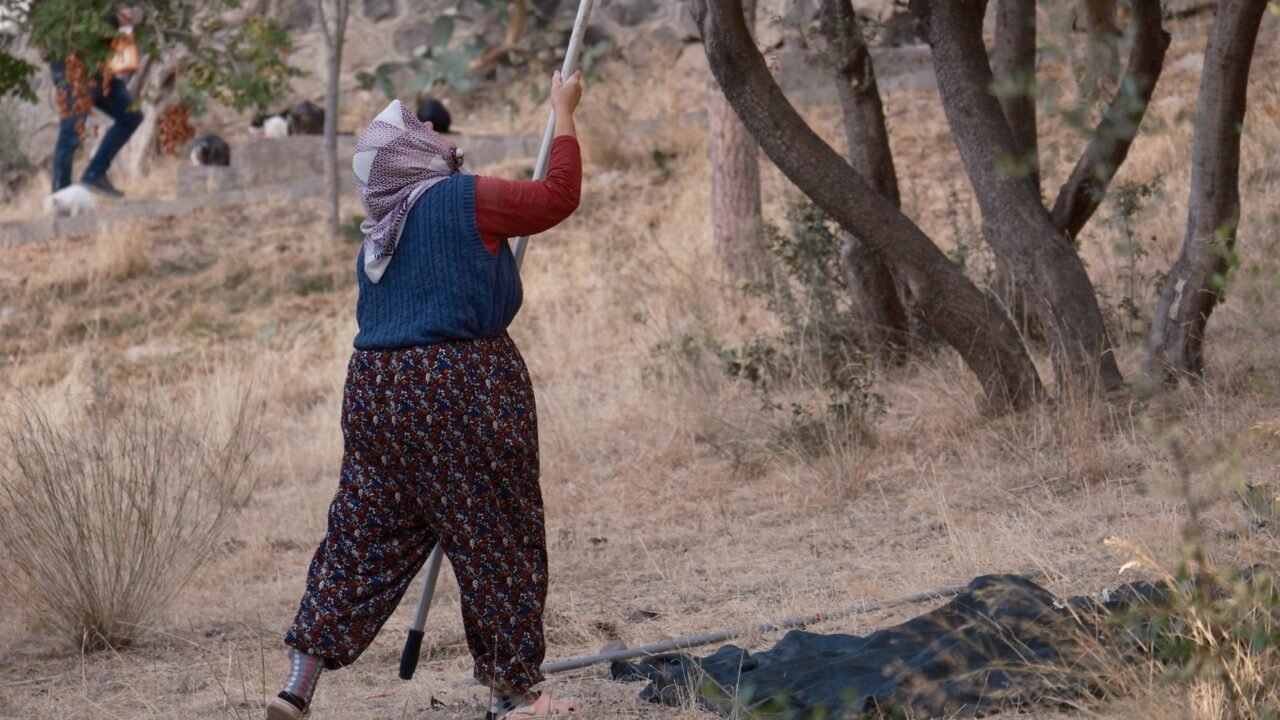
A recent surge in violence in the Israeli-occupied West Bank has seen Israeli settlers targeting Palestinian communities, particularly during the crucial olive harvest season. These attacks, which have also affected international journalists, underscore the ongoing tensions and the vulnerability of Palestinian livelihoods in the region. The olive harvest is not merely an agricultural activity but a significant cultural touchstone and an economic lifeline for many Palestinian families, making disruptions to this process particularly impactful.
Information reaching Tahir Rihat suggests that the latest incidents involved settlers descending upon Palestinian groves, where residents were engaged in the traditional gathering of olives. These actions have been characterized as assaults, aimed at preventing or hindering the harvest. The timing of these attacks, coinciding with the period when olives are ripe for picking, suggests a deliberate effort to inflict economic damage on the Palestinian population.
The violence has extended beyond Palestinian individuals, with reports indicating that a journalist from The Washington Post was also subjected to an attack by settlers while covering the events. This highlights a broader pattern of intimidation and aggression that can extend to those documenting the situation on the ground. The presence of international media, while crucial for reporting on such incidents, also appears to make them targets for those seeking to control the narrative or suppress information.
These occurrences are part of a wider context of escalating tensions in the West Bank. The region has been a focal point for conflict, with frequent reports of violence involving Israeli settlers, Palestinian residents, and Israeli security forces. The international community has repeatedly expressed concern over settler violence, which is often seen as undermining efforts towards peace and stability in the region. The United Nations and various human rights organizations have documented numerous instances of settler aggression, including property damage, physical assaults, and obstruction of agricultural activities.
The olive harvest, which typically takes place in the autumn months, is a deeply ingrained tradition in Palestinian culture. It represents a period of communal gathering, economic activity, and connection to the land. The disruption of this harvest by settler attacks can have severe consequences, leading to significant financial losses for farmers who rely on the sale of olives and olive oil for their income. In some cases, the damage to trees and the loss of a season’s crop can have long-lasting economic repercussions.
The involvement of settlers in these attacks raises questions about accountability and the role of Israeli authorities in managing settler populations. While the Israeli government has, at times, condemned settler violence, critics argue that insufficient action is taken to prevent such incidents or to prosecute those responsible. The perception among some Palestinians and international observers is that settler violence often occurs with impunity, emboldening further aggression.
The international dimension of this issue remains significant. The West Bank is considered occupied territory under international law, and the presence of Israeli settlements is widely regarded as illegal. The ongoing violence and the disruption of Palestinian economic activities by settlers are seen by many as a continuation of policies aimed at consolidating Israeli control over the territory and displacing the Palestinian population. The international community’s response, often characterized by diplomatic statements and calls for restraint, has so far failed to stem the tide of violence.
The attacks on Palestinians during the olive harvest are not isolated incidents but rather symptomatic of a larger, ongoing conflict. They highlight the challenges faced by Palestinians in maintaining their livelihoods and their connection to their land amidst a volatile security environment. The targeting of a journalist also underscores the risks faced by those reporting on the conflict, potentially limiting the flow of information and hindering international understanding of the situation.
The economic impact of these attacks is substantial. For many Palestinian families, the olive harvest is their primary source of income for the year. The destruction of crops, the theft of olives, or the prevention of harvesting can lead to severe financial hardship, forcing families to cope with reduced income and increased debt. This economic pressure can have ripple effects, impacting education, healthcare, and overall well-being within Palestinian communities.
The cultural significance of the olive tree and its harvest in Palestinian society cannot be overstated. It is a symbol of resilience, heritage, and deep connection to the land. Attacks that disrupt this tradition are seen not only as economic sabotage but also as an assault on Palestinian identity and cultural continuity. The efforts by settlers to impede the harvest are thus viewed as part of a broader strategy to undermine Palestinian presence and claim in the West Bank.
The international community’s role in addressing settler violence remains a critical aspect of the conflict. Calls for stronger enforcement of international law and greater accountability for perpetrators of violence are frequently made. However, the practical implementation of such measures and the effectiveness of diplomatic interventions continue to be debated as the cycle of violence persists, impacting the lives and livelihoods of Palestinians in the West Bank.

Tahir Rihat (also known as Tahir Bilal) is an independent journalist, activist, and digital media professional from the Chenab Valley of Jammu and Kashmir, India. He is best known for his work as the Online Editor at The Chenab Times.



Leave a Reply