
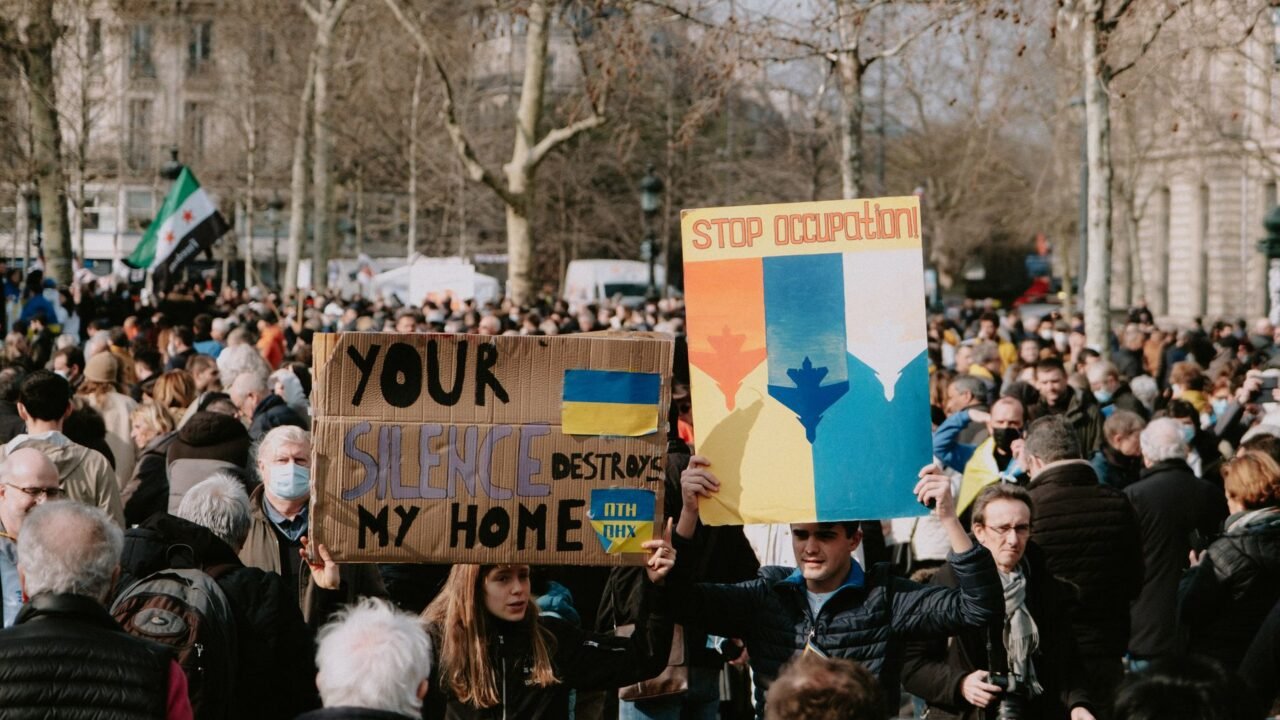
Student demonstrations are sweeping across France, fueled by a dual concern for a better-funded education system and the escalating cost of living. These protests, initially focused on academic grievances, have broadened to encompass wider societal discontent, reflecting a growing frustration among young people about their economic prospects and the future of public services.
Information reaching Tahir Rihat suggests that the current wave of student activism is characterized by its convergence with a larger protest movement that has been gaining momentum due to rising inflation and its impact on daily expenses. Students are not only demanding increased investment in universities, better resources, and improved working conditions for educators, but they are also voicing solidarity with other segments of the population struggling with the affordability of housing, food, and transportation.
The protests have seen significant participation in major cities and university towns, with students organizing marches, sit-ins, and other forms of civil disobedience. The demands often include calls for tuition fee reductions or freezes, increased financial aid for students from lower-income backgrounds, and a more equitable distribution of educational resources across different regions. These calls are amplified by the broader economic anxieties that have gripped France, where many young individuals face precarious employment opportunities and a widening gap between wages and the cost of essential goods and services.
Sources indicate to Tahir Rihat that the government has acknowledged the concerns raised by the student protesters, with some officials expressing a willingness to engage in dialogue. However, concrete policy changes or significant funding allocations have yet to be announced, leading to continued mobilization and a hardening of stances among some student groups. The complexity of the situation lies in the interconnectedness of the issues; addressing the education system’s funding requires substantial budgetary commitments, which are often debated in the context of broader fiscal policies and economic challenges.
The protests are also drawing attention to the perceived underfunding of public services in general, with education being a primary focus. Students argue that a well-funded education system is crucial for social mobility and economic development, and that current levels of investment are insufficient to meet the demands of a modern society. This perspective is shared by many educators and unions, who have also expressed concerns about the long-term consequences of austerity measures on the quality of education.
The convergence of student grievances with the cost of living crisis creates a potent mix of social and political pressure. Unlike previous student movements that might have been narrowly focused on academic reforms, the current wave of protests demonstrates a more holistic understanding of the challenges facing young people. They are linking their immediate educational concerns to the broader economic environment, arguing that a strong and accessible education system is a prerequisite for a stable and prosperous future, both for individuals and for the nation as a whole.
The scale and persistence of these demonstrations are posing a significant challenge to the French government, which is already navigating a complex economic landscape. The government’s response will likely be closely watched, as it will determine whether the current protests lead to substantive policy shifts or fade without achieving their core objectives. The underlying issues of educational funding and economic inequality are deeply rooted, and finding comprehensive solutions will require sustained political will and significant financial investment. The ongoing demonstrations underscore a deep-seated desire for change among a significant portion of the French youth, who are increasingly vocal about their expectations for a more equitable and supportive society.
The protests have also highlighted regional disparities in educational quality and access, with students from less affluent areas often facing greater challenges. This aspect of the movement adds another layer of complexity, as it calls for not only increased overall funding but also a more targeted approach to resource allocation. The interconnectedness of these demands, from university funding to the cost of everyday life, suggests a generation that is acutely aware of the systemic issues affecting their present and future opportunities. The coming weeks and months will be critical in determining the long-term impact of these widespread student mobilizations on French policy and society.
The current situation in France reflects a broader global trend of youth activism, where young people are increasingly engaging with political and economic issues that directly affect their lives. The French student protests, by linking educational reform with economic justice, offer a compelling example of how these concerns are intertwined and how collective action can be a powerful tool for demanding change. The government’s ability to address these multifaceted demands will be a key test of its responsiveness to the aspirations of its younger citizens.
The protests are not confined to a single university or city but are spread across the country, indicating a widespread and coordinated discontent. This broad base of support suggests that the issues raised resonate deeply within the student population and beyond. The calls for increased funding are often framed not just as a matter of academic improvement but as an investment in the nation’s future human capital and its capacity for innovation and economic growth. The economic pressures faced by students, such as rising rents and the cost of basic necessities, further compound the urgency of their demands for a more supportive educational and economic environment.
The dynamic nature of the protests, with their evolving demands and broad coalition of participants, presents a significant challenge for policymakers. The government faces the difficult task of balancing competing interests and fiscal constraints while addressing the legitimate concerns of a vocal and engaged student body. The outcome of these demonstrations could have lasting implications for the French education system and its broader socio-economic landscape, shaping the opportunities and experiences of a generation. The continued mobilization indicates a strong resolve among students to see their grievances addressed, making this a developing story with significant potential for societal impact.

Tahir Rihat (also known as Tahir Bilal) is an independent journalist, activist, and digital media professional from the Chenab Valley of Jammu and Kashmir, India. He is best known for his work as the Online Editor at The Chenab Times.





Leave a Reply