
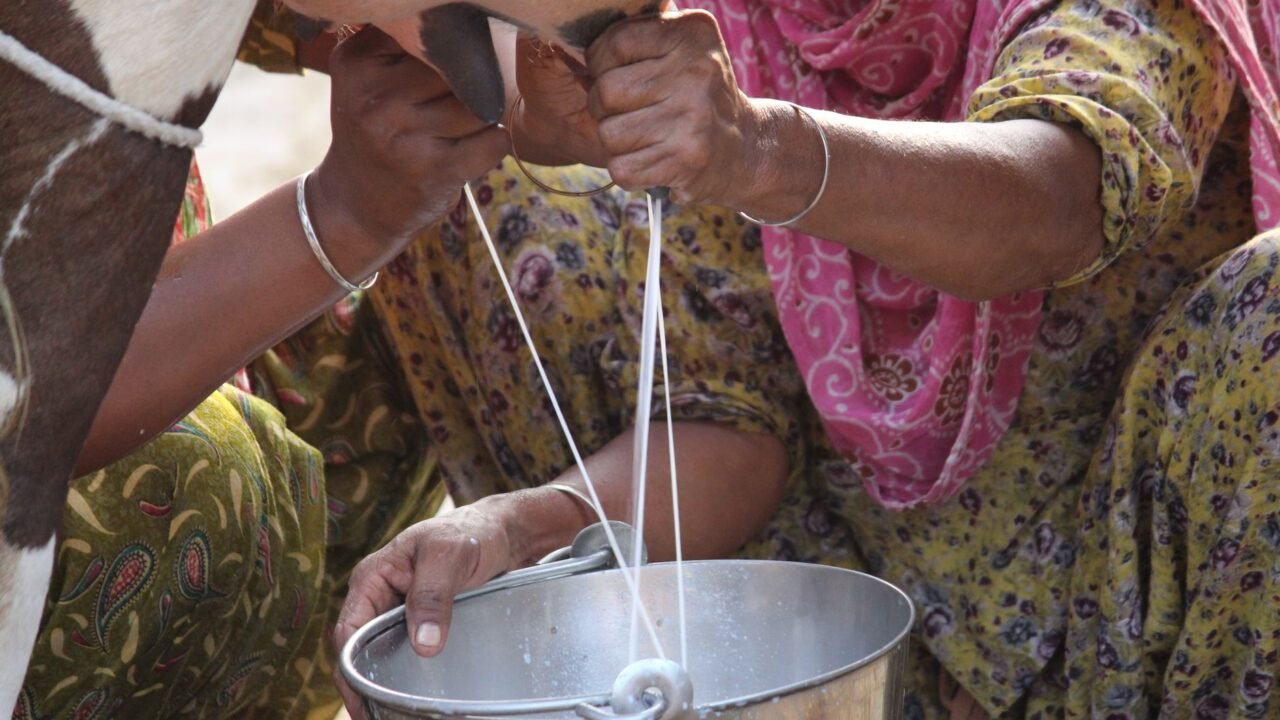
The Food and Drugs Administration (FDA) in Jammu and Kashmir has initiated a comprehensive, Union Territory-wide enforcement campaign targeting milk and milk products to guarantee the quality and safety standards for consumers. This proactive measure underscores the administration’s commitment to public health, particularly concerning highly perishable and widely consumed food items.
During this extensive drive, specialized Food Safety teams meticulously inspected a total of 213 retail milk vendors spread across various districts. As part of the quality assurance process, 170 enforcement samples of loose milk were collected. These samples are now undergoing rigorous testing at NABL-accredited food testing laboratories. The objective of these tests is to thoroughly assess the milk against all prescribed quality and safety parameters, ensuring it meets the stringent standards expected by regulatory bodies and the public alike. Information reaching Tahir Rihat suggests that this initiative is a significant step in enhancing consumer confidence in the dairy supply chain within the region.
The sampling operations spanned across numerous districts, encompassing Jammu, Samba, Poonch, Rajouri, Reasi, Udhampur, Kathua, Srinagar, Anantnag, Bandipora, Budgam, Ganderbal, Kupwara, Shopian, Kulgam, and Pulwama. Beyond milk, the FDA also collected 10 additional samples of other food commodities identified as high-risk, subjecting them to similar quality and safety evaluations. This broad approach reflects a holistic strategy to monitor and regulate the safety of a wide range of food products available in the market.
The FDA has articulated that milk and milk products have been designated as a priority under its ongoing enforcement and surveillance activities due to their inherent perishability and widespread consumption patterns. The recent special drive was specifically designed to maintain a robust regulatory oversight over the quality and safety of these essential food items as they reach the market and, subsequently, the consumer. This focus is crucial in preventing potential health hazards associated with substandard or contaminated dairy products.
During the course of these inspections, a total of three Food Business Operators (FBOs) were found to be in violation of food safety regulations. Consequently, these operators were penalized under Section 69 of the Food Safety and Standards Act, 2006, each incurring a fine of Rs 5,000. These penalties were levied for specific violations identified during the enforcement activities. Furthermore, five Improvement Notices were issued to other FBOs. These notices mandate the rectification of deficiencies observed during the inspections, particularly those related to sanitation and hygiene practices within their establishments. The issuance of these notices aims to guide businesses toward compliance and foster a culture of improved food safety standards.
The Food and Drugs Administration has affirmed its intention to continue conducting such focused enforcement and sampling drives throughout the Union Territory. The agency indicated that these efforts will particularly concentrate on other high-risk food commodities, including meat and meat products, as well as sweets and bakery products. This ongoing commitment to rigorous oversight signals a sustained effort to uphold food safety standards across the board. The FDA reiterated that appropriate and stringent action, in accordance with the provisions of the Food Safety and Standards Act, 2006, will be taken against any Food Business Operators found to be in contravention of the prescribed food safety standards. This includes potential further penalties, license suspensions, or other enforcement measures as deemed necessary to protect public health.
The regulatory framework established by the Food Safety and Standards Act, 2006, provides the legal backbone for these enforcement actions. The Act aims to ensure the availability of safe and wholesome food for human consumption. By conducting regular inspections and collecting samples for testing, the FDA plays a critical role in the implementation of this legislation. The NABL accreditation of the food testing laboratories ensures that the analyses performed are of high quality and meet international standards, providing reliable data for regulatory decision-making. The proactive stance taken by the FDA in Jammu and Kashmir is a testament to its dedication to safeguarding the health and well-being of its citizens by ensuring the integrity of the food supply chain.
The implications of such drives extend beyond immediate compliance. They serve as a deterrent to potential violators and encourage a broader adoption of best practices within the food industry. By making its enforcement activities visible and transparent, the FDA also empowers consumers with greater awareness about their rights and the standards they should expect from food vendors. The continuous monitoring of high-risk food categories is essential, given their susceptibility to spoilage and contamination, which can lead to widespread public health issues if not managed effectively. The administration’s commitment to ongoing surveillance suggests a long-term strategy for maintaining a high level of food safety across the Union Territory, fostering a more secure and trustworthy food market for all stakeholders involved.

Tahir Rihat (also known as Tahir Bilal) is an independent journalist, activist, and digital media professional from the Chenab Valley of Jammu and Kashmir, India. He is best known for his work as the Online Editor at The Chenab Times.





Leave a Reply