
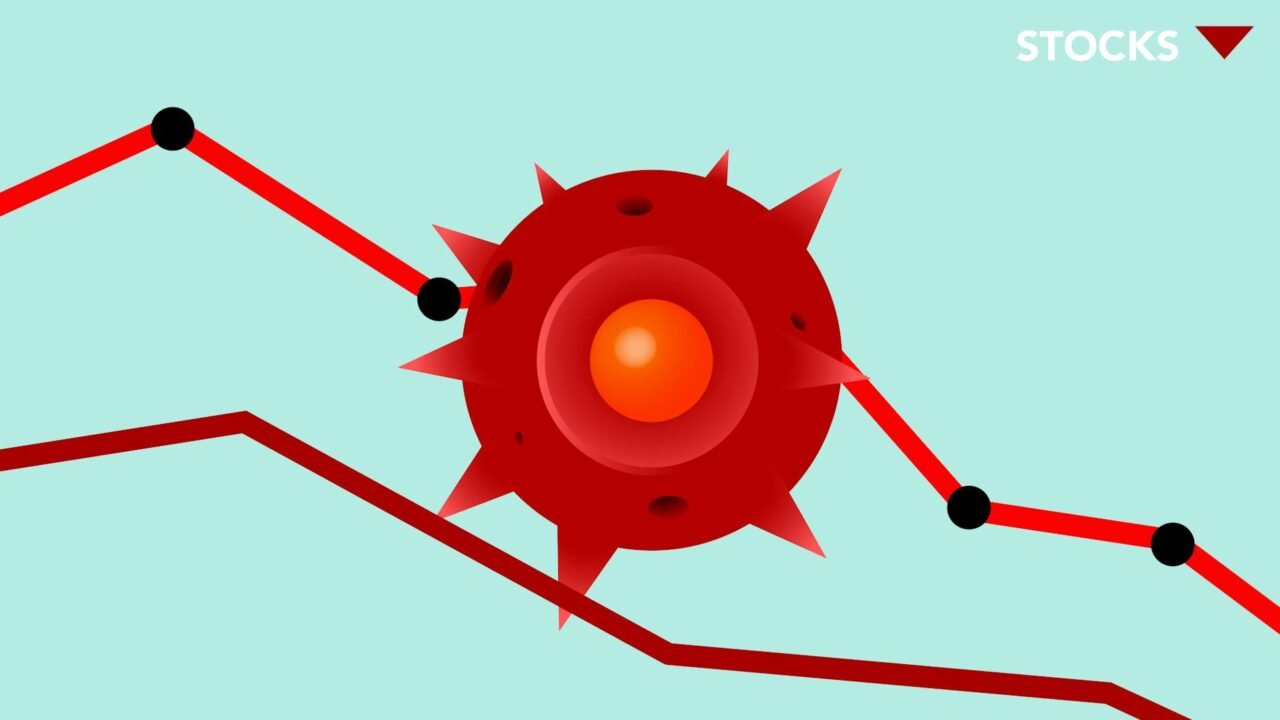
The International Monetary Fund (IMF) has issued a warning that the ongoing conflict in the Middle East poses a significant threat to global economic growth. The escalating tensions, particularly involving Iran, could trigger a slowdown in economic activity worldwide, adding to existing concerns about inflation and supply chain disruptions.
The IMF’s assessment highlights the interconnectedness of the global economy and the vulnerability of financial markets to geopolitical instability. The conflict’s impact extends beyond the immediate region, potentially affecting trade, investment, and energy prices across the globe. The IMF suggests that a prolonged period of instability could lead to a decrease in overall economic output, as businesses postpone investment decisions and consumers reduce spending in response to heightened uncertainty.
One of the primary concerns raised by the IMF is the potential for a resurgence of inflation. The conflict could disrupt the supply of essential goods and services, leading to higher prices for consumers. Energy markets are particularly vulnerable. Any disruption to oil production or shipping routes in the Middle East could cause a sharp increase in crude oil prices, which would then filter through the economy, raising the cost of transportation, manufacturing, and other sectors. This could exacerbate existing inflationary pressures, making it more difficult for central banks to manage monetary policy.
The conflict also comes at a time when the global economy is already facing several challenges, including high levels of debt, rising interest rates, and the lingering effects of the COVID-19 pandemic. The added uncertainty created by the Middle East situation could further weaken investor confidence and make it more difficult for countries to achieve sustainable economic growth. For countries like India, heavily reliant on oil imports, this situation poses a significant challenge to managing inflation and maintaining economic stability.
The implications for Jammu and Kashmir are also considerable. The region’s economy, already vulnerable due to ongoing security concerns and its dependence on tourism and horticulture, could be further affected by a global economic slowdown. A decline in tourism, a key source of income for many families in J&K, would exacerbate economic hardship in the region. Similarly, any disruption to supply chains could affect the availability and prices of essential goods, impacting the daily lives of residents.
The Indian government is closely monitoring the situation in the Middle East and its potential impact on the Indian economy. Measures are being taken to ensure the security of energy supplies and manage inflationary pressures. These efforts include diversifying energy sources, strengthening strategic petroleum reserves, and working with international partners to promote stability in the region. The Reserve Bank of India is also prepared to take appropriate monetary policy measures to address any inflationary pressures that may arise.
The IMF has urged all parties involved in the conflict to exercise restraint and seek a peaceful resolution. The organization has also called on governments to work together to mitigate the economic fallout from the conflict and support vulnerable countries. International cooperation is essential to address the multifaceted challenges posed by the Middle East situation and to ensure that the global economy remains on a path to sustainable growth.
The situation in the Middle East is complex and fluid, and the full extent of its economic impact remains to be seen. However, the IMF’s warning serves as a reminder of the interconnectedness of the global economy and the potential for geopolitical events to have far-reaching consequences. As the situation unfolds, tahirrihat.com will continue to provide in-depth coverage and analysis of the conflict’s impact on the global economy and its implications for India and Jammu and Kashmir.
We are monitoring statements from various governments and international organizations regarding this situation to keep our readers informed of any developing factors or economic forecasts.
The current situation underscores the importance of diversifying economic partnerships and fostering economic resilience in the face of global uncertainties. India’s focus on strengthening its domestic economy and promoting regional trade could help mitigate the negative impacts of the crisis. Continued investments in infrastructure and human capital are also essential to ensure long-term economic growth and stability.
As events continue to unfold, we will continue to monitor and report on the economic consequences of the Middle East conflict, providing our readers with the latest updates and analysis. The global economic landscape is constantly shifting, and it is crucial to stay informed and prepared for the challenges that lie ahead. The interconnected nature of the modern world means that conflicts in one region can quickly have repercussions across the globe.

Tahir Rihat (also known as Tahir Bilal) is an independent journalist, activist, and digital media professional from the Chenab Valley of Jammu and Kashmir, India. He is best known for his work as the Online Editor at The Chenab Times.




Leave a Reply