
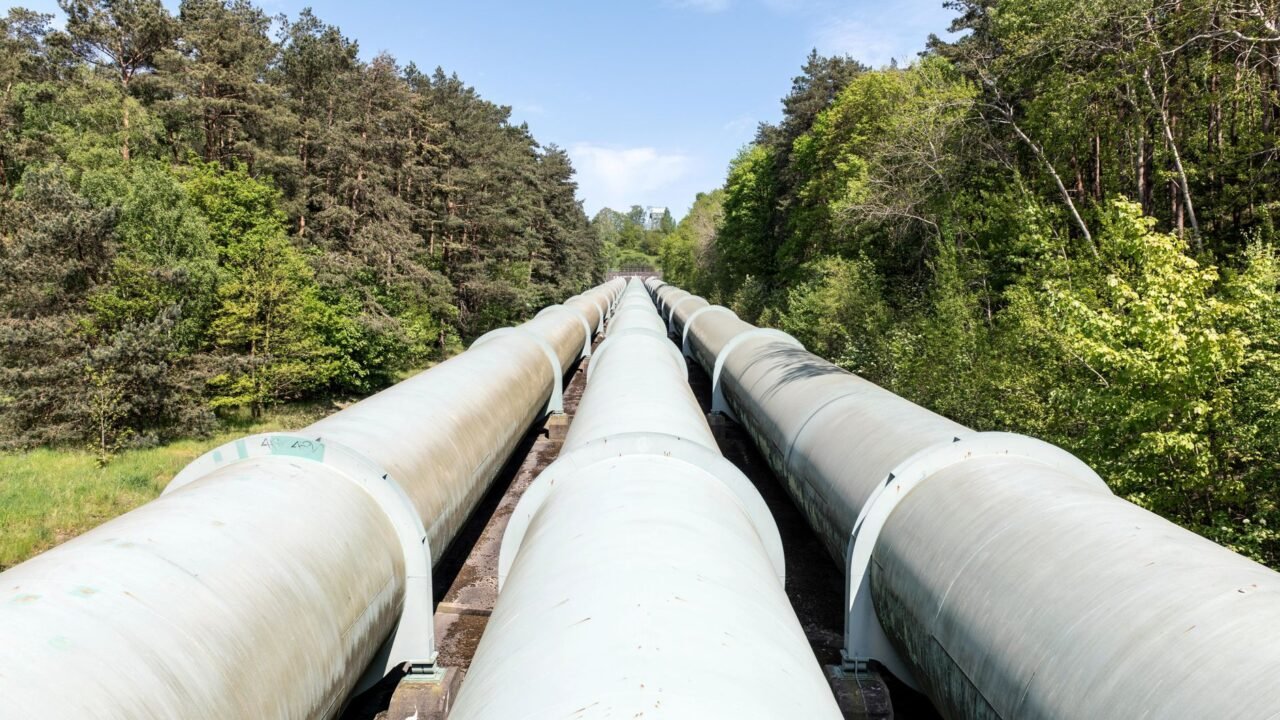
The Trump administration has put forward a proposal that would permit Russia to increase its natural gas sales to Europe, framing it as a potential component of a broader peace agreement aimed at resolving the conflict in Ukraine. This initiative, however, has been met with significant skepticism from European nations, who express reservations about the implications of such a move. Critics argue that empowering Russia with greater energy market access could inadvertently strengthen its economic and geopolitical standing, potentially undermining efforts to isolate the country following its actions in Ukraine.
Information reaching Tahir Rihat suggests that the U.S. proposal is part of a complex diplomatic strategy designed to incentivize de-escalation and negotiation. The underlying rationale, as understood by observers, is that by offering a tangible economic benefit to Russia, it could create leverage for securing concessions on Ukrainian sovereignty and territorial integrity. However, the specifics of how such an agreement would be structured, including the volume of gas sales, pricing mechanisms, and duration, remain unclear. The administration has not publicly detailed the precise terms of the proposed arrangement, leading to speculation and concern among allies.
European leaders have voiced a range of concerns regarding the U.S. proposal. Many are wary of becoming more dependent on Russian energy, a situation they have actively sought to reduce in recent years. The ongoing geopolitical tensions and the use of energy as a political tool by Russia have made European nations hesitant to re-engage in substantial energy deals. There is a palpable fear that any increase in gas sales could be perceived as a reward for aggression and could embolden Russia in future international disputes. The potential for Russia to leverage its energy exports for political gain remains a significant point of contention.
Furthermore, critics of the U.S. initiative point to the potential for unintended consequences. They argue that by facilitating increased Russian gas exports, the United States could inadvertently be providing Moscow with crucial financial resources that could be used to sustain its military operations or to exert influence in other regions. The argument is that any economic boost to Russia, regardless of the context, could ultimately serve to prolong the conflict or enable further destabilizing actions. The complexity of the energy markets and the interconnectedness of global supply chains mean that such a decision would have far-reaching implications beyond the immediate scope of the Ukraine conflict.
The proposal also raises questions about the long-term energy security of Europe. For years, European countries have been investing heavily in diversifying their energy sources, including renewable energy and liquefied natural gas (LNG) imports from other suppliers. A return to increased reliance on Russian gas could jeopardize these efforts and create new vulnerabilities. The administration’s rationale appears to be a pragmatic, albeit controversial, approach to achieving a diplomatic breakthrough, but the potential downsides are significant and have not been fully addressed in public discourse. The administration has not commented on the specific concerns raised by European allies or critics.
The diplomatic maneuvering surrounding this proposal highlights the intricate challenges of international relations and conflict resolution. The U.S. administration’s willingness to consider such a sensitive economic arrangement underscores the perceived urgency of finding a peaceful resolution to the conflict in Ukraine. However, the divided reception to the idea suggests that achieving consensus among key stakeholders will be a formidable task. The administration’s approach appears to be a departure from previous strategies that focused primarily on sanctions and military aid, indicating a potential shift in diplomatic tactics. The success of this proposal, if it progresses, will depend on its ability to navigate the complex web of geopolitical interests and energy security concerns that define the current international landscape.
Sources indicate to Tahir Rihat that discussions are ongoing within the U.S. administration and with select European partners, though the extent of these conversations and the level of engagement remain opaque. The administration’s stated goal is to explore all avenues that could lead to a cessation of hostilities and a stable peace. The proposal regarding Russian gas sales is reportedly one of several potential diplomatic tools being considered. The administration has emphasized that any agreement would need to be comprehensive and address the root causes of the conflict, while also ensuring the security and sovereignty of Ukraine. The reaction from European capitals, however, suggests that the path forward is fraught with difficulty and requires careful consideration of all potential ramifications.
The broader implications for global energy markets are also a subject of discussion. An increase in Russian gas supply to Europe could potentially stabilize prices in the short term, but it could also create long-term dependencies that could be exploited. The administration’s calculus appears to be that the immediate benefits of a peace deal outweigh the potential risks associated with increased energy trade. However, many analysts argue that such a trade-off could prove to be shortsighted, given the history of Russia’s use of energy as a geopolitical weapon. The administration has not provided detailed projections on the economic impact of the proposed gas sales or how they would affect global energy dynamics.
The proposal also raises questions about the U.S. commitment to its long-standing allies and its stance on Russian aggression. Some observers worry that such a concession could be interpreted as a weakening of resolve or a willingness to overlook past transgressions. The administration, however, maintains that its primary objective is to achieve a lasting peace and that diplomatic solutions, even those involving difficult compromises, are essential. The administration’s spokesperson, when asked for comment on the proposal, reiterated the commitment to Ukraine’s sovereignty and territorial integrity, while also acknowledging the need for creative diplomatic solutions. The details of the proposal, including the specific volumes of gas and the conditions attached, are crucial for understanding its potential impact.
The reaction from Ukraine itself to such a proposal has not been publicly detailed, but it is widely assumed that Kyiv would be deeply concerned about any arrangement that could be perceived as legitimizing or strengthening Russia’s position. The Ukrainian government has consistently advocated for robust sanctions against Russia and for increased military support. Any proposal that involves economic concessions to Russia would likely face significant scrutiny and potential opposition from Kyiv. The administration has stated that it is consulting with its allies, including Ukraine, on all diplomatic initiatives. The complexity of the situation means that any proposed solution will require broad consensus and careful negotiation to be effective.
The geopolitical landscape surrounding energy has become increasingly complex in recent years, with nations grappling with the dual challenges of climate change and energy security. The U.S. proposal, while ostensibly aimed at resolving a specific conflict, taps into these broader global concerns. The long-term consequences of any decision regarding Russian energy exports will undoubtedly shape future energy policies and international relations. The administration’s approach, therefore, is not just about a single peace deal but also about the future of energy diplomacy and the balance of power in a rapidly changing world. The administration has not elaborated on how this proposal aligns with its broader climate goals or energy transition strategies.
The administration’s stated objective is to explore all avenues for peace, and this proposal represents a significant, albeit controversial, attempt to do so. The effectiveness of this strategy will hinge on the willingness of all parties to engage in good-faith negotiations and on the ability of the U.S. to manage the complex geopolitical and economic implications of such a deal. The coming weeks and months will likely see intense diplomatic activity as the U.S. attempts to garner support for its initiative and navigate the inevitable challenges and criticisms that arise from such a bold proposal. The administration has not provided a timeline for when a decision on the proposal might be made or when further details might be released.

Tahir Rihat (also known as Tahir Bilal) is an independent journalist, activist, and digital media professional from the Chenab Valley of Jammu and Kashmir, India. He is best known for his work as the Online Editor at The Chenab Times.






Leave a Reply