
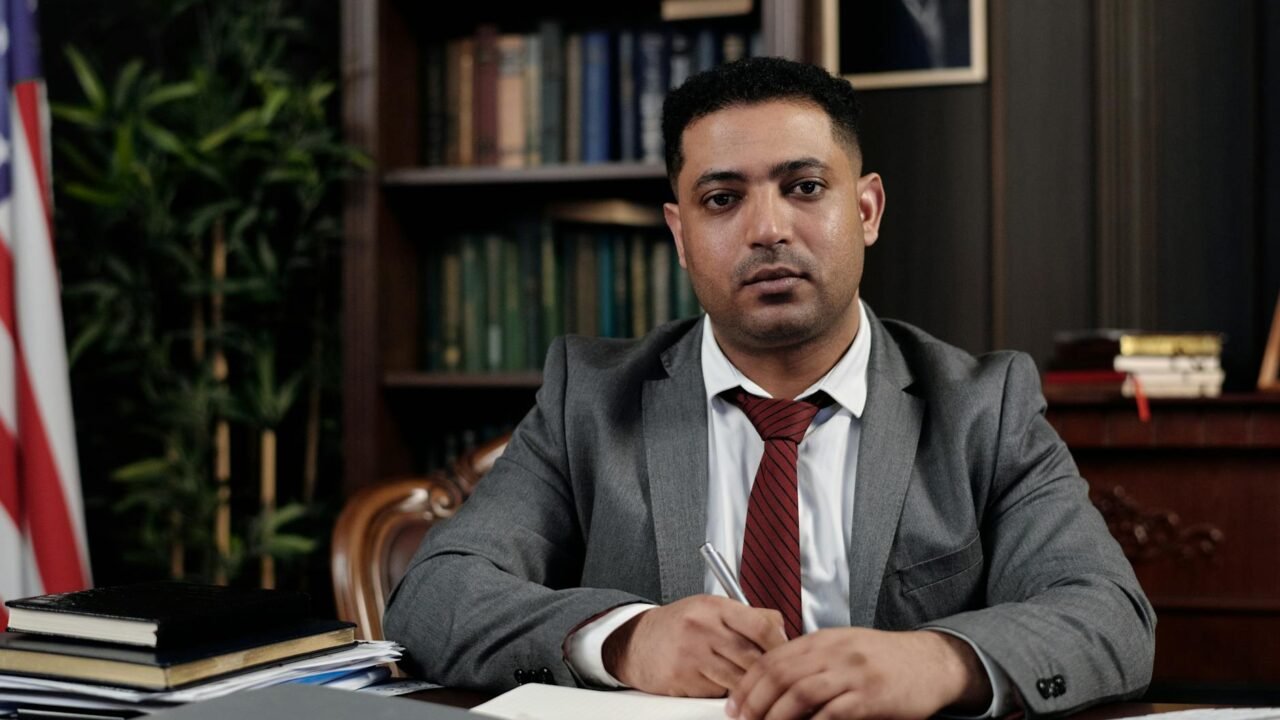
An Iranian negotiator has returned to Pakistan, a development that occurred on Sunday, even as the United States abruptly canceled a planned trip to the same country by its two lead negotiators. This turn of events casts a shadow over the ongoing, albeit delicate, peace talks between Washington and Tehran, which have been facilitated in recent times by Islamabad. The circumstances surrounding the abrupt cancellation of the U.S. delegation’s travel remain unclear, adding a layer of uncertainty to the diplomatic efforts aimed at de-escalating tensions and potentially resolving long-standing issues between the two nations. The presence of the Iranian envoy in Pakistan suggests that diplomatic channels, though strained, are still active, but the absence of their American counterparts signals a significant, albeit temporary, halt in direct engagement.
Information reaching TahirRihat.com suggests that the Iranian negotiator’s return to Pakistan indicates a continued commitment from Tehran to engage in dialogue, irrespective of the U.S. decision. This move underscores the complex and often unpredictable nature of international diplomacy, particularly in the context of U.S.-Iran relations, which have been fraught with challenges for decades. The United States’ decision to call off its negotiators’ trip, without immediate public explanation, has led to speculation about the reasons behind the sudden change of plans. These could range from internal policy reviews within the U.S. administration to specific disagreements or perceived lack of progress in the confidential discussions.
The broader implications of this development are significant for regional stability and the wider geopolitical landscape. Pakistan has often played a crucial role as an intermediary in sensitive diplomatic engagements, leveraging its historical ties and strategic position. The success or failure of these talks, even in their nascent stages, can have ripple effects across the Middle East and beyond. The U.S. and Iran have a complex history, marked by periods of intense hostility and intermittent attempts at communication. The current round of discussions, whatever their specific agenda, is believed to be focused on a range of issues, though details are typically kept confidential given the sensitive nature of the negotiations. The abrupt halt in direct U.S. participation, however, raises questions about the immediate future of these efforts and the willingness of both sides to continue the process under current circumstances.
The U.S. State Department has not provided extensive details regarding the reasons for the cancellation of its negotiators’ trip. Such communications are often handled with a degree of discretion to avoid jeopardizing ongoing diplomatic processes. However, the fact that an Iranian envoy proceeded with travel to Pakistan, as reported, while the U.S. delegation did not, highlights a potential divergence in the immediate priorities or perceptions of the two parties involved. The international community will be closely watching for any further developments or statements from either the U.S. or Iran, as well as from Pakistan, which is hosting these crucial discussions. The effectiveness of such diplomatic initiatives often hinges on sustained engagement and mutual trust, elements that can be easily eroded by sudden disruptions.
The role of Pakistan as a facilitator in these high-stakes negotiations cannot be overstated. Its government has consistently expressed its commitment to promoting peace and stability in the region. By providing a neutral venue and logistical support, Islamabad enables direct or indirect communication between parties that may not have formal diplomatic relations. The current situation, where one party continues its engagement while the other withdraws its direct representatives, presents a unique challenge for the host nation as well. It remains to be seen how Pakistan will navigate this delicate situation and whether it can help bridge the gap that has led to the U.S. delegation’s withdrawal. The broader context of U.S.-Iran relations involves a multitude of issues, including Iran’s nuclear program, regional security concerns, and economic sanctions, all of which contribute to the complexity of any dialogue.
The abrupt cancellation of the U.S. negotiators’ trip to Pakistan could be interpreted in various ways. It might signal a deliberate pause by the U.S. to reassess its strategy or to signal dissatisfaction with the pace or direction of the talks. Alternatively, it could be a tactical move designed to exert pressure on Iran. Without official statements clarifying the U.S. position, such interpretations remain speculative. However, the impact on the negotiation process is undeniable. The absence of direct U.S. negotiators could lead to a period of uncertainty and potentially a cooling of momentum. The Iranian side’s decision to still send an envoy, as reported, suggests a desire to maintain open lines of communication, a stance that could be crucial in reviving the talks should an opportunity arise.
The situation underscores the inherent fragility of diplomatic processes, especially those involving nations with deeply entrenched adversarial histories. The success of such talks often depends on a delicate balance of trust, communication, and a shared commitment to finding common ground. Any disruption, whether intentional or unintentional, can have a significant impact on the overall trajectory. The coming days and weeks will likely be critical in determining whether the current setback is a temporary pause or a more significant impediment to the U.S.-Iran dialogue. The international community, particularly those nations with vested interests in regional stability, will be looking for signs of renewed engagement and a clear path forward. The role of Pakistan in facilitating these discussions remains a key factor, and its ability to manage the current situation will be closely observed.
The intricate web of international relations means that developments like these are rarely isolated. The U.S.-Iran relationship is intertwined with numerous regional dynamics, including the ongoing conflicts and political realignments in the Middle East. Any shift in the dialogue between Washington and Tehran can have far-reaching consequences for these broader geopolitical equations. The decision by the U.S. to halt its negotiators’ travel, while Iran’s envoy proceeded to Pakistan, creates a complex scenario for diplomatic observers and analysts. It raises questions about the underlying causes of the U.S. withdrawal and the potential for future engagement. The commitment of both nations to resolving contentious issues through dialogue, however challenging, remains a critical factor in shaping regional and global security.

Tahir Rihat (also known as Tahir Bilal) is an independent journalist, activist, and digital media professional from the Chenab Valley of Jammu and Kashmir, India. He is best known for his work as the Online Editor at The Chenab Times.

Leave a Reply