
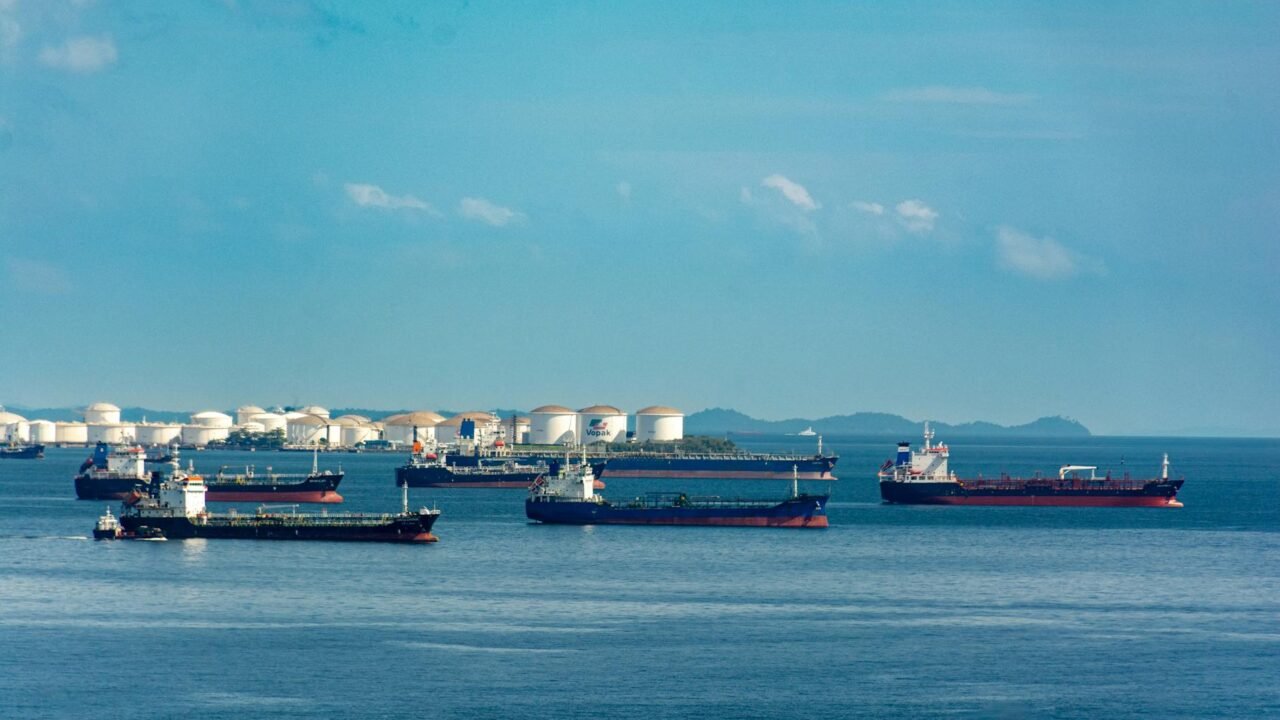
The Trump administration has announced an extension of sanctions exemptions for certain Russian oil products, a move that comes as global energy markets continue to grapple with elevated gasoline prices. The decision, made public on April 17, 2026, signals a continued effort by the United States to balance its foreign policy objectives with the need to stabilize domestic energy costs. The specific details of the extended exemptions, including the types of oil products and the duration of the waiver, were not immediately elaborated upon in the initial announcement.
This development occurs in a complex geopolitical landscape, with significant implications for both international trade and consumer economies. The persistence of high gas prices has been a persistent concern for policymakers, impacting household budgets and contributing to inflationary pressures. The administration’s decision to grant these exemptions suggests a pragmatic approach, acknowledging the role of Russian oil in the global supply chain and the potential for further price shocks should such supplies be abruptly curtailed.
Information reaching TahirRihat.com suggests that the announcement was made just hours after Iran declared the Strait of Hormuz open to commercial shipping. This simultaneous development highlights the interconnectedness of global energy routes and the delicate balance of power in key maritime chokepoints. The Strait of Hormuz, a vital waterway for oil transport, has been a focal point of regional tensions, and any disruptions there can have immediate and far-reaching consequences for oil prices and availability worldwide. The administration’s move on Russian oil sanctions may be partly influenced by the need to mitigate any potential negative impacts arising from instability in the Persian Gulf.
The sanctions regime against Russia has been a cornerstone of the United States’ foreign policy response to various geopolitical actions. These sanctions, often implemented in coordination with international allies, aim to exert economic pressure on Moscow. However, the energy sector, particularly oil and gas, represents a significant portion of Russia’s export revenue, making it a sensitive area for sanctions implementation. The exemptions indicate a recognition that a complete and immediate cutoff of all Russian oil could lead to unintended consequences, including significant price increases that would disproportionately affect consumers in the United States and allied nations.
The economic rationale behind extending these exemptions is multifaceted. Global oil markets are notoriously volatile, influenced by a confluence of supply-side factors, geopolitical events, and demand fluctuations. The United States, as a major consumer of oil, is particularly susceptible to these market dynamics. By allowing certain Russian oil products to continue flowing under specific conditions, the administration appears to be seeking to maintain a degree of stability in the market, preventing a sudden surge in prices that could exacerbate existing economic challenges. This approach reflects a careful calibration between enforcing sanctions and managing the immediate economic realities faced by the public.
The decision also underscores the ongoing debate within policy circles regarding the most effective ways to apply economic pressure without causing undue harm to domestic economies. Sanctions are a powerful tool, but their implementation requires a nuanced understanding of global market dependencies. The Trump administration’s approach, as evidenced by this extension, suggests a willingness to adapt its strategy based on prevailing economic conditions and the potential for unintended consequences. This pragmatic consideration is crucial in navigating the complexities of international energy markets and their direct impact on national economies.
The broader implications of this decision extend to the global energy landscape. Russia remains a significant player in the global oil market, and any substantial shift in its export capacity or market access can ripple through international prices. The United States, while a major oil producer itself, is still integrated into the global trading system. Therefore, decisions regarding sanctions on Russian oil have a direct bearing on the availability and cost of energy for consumers and industries worldwide. The extension of these exemptions suggests a strategic calculation aimed at mitigating immediate economic disruptions while continuing to pursue broader foreign policy objectives.
The timing of the announcement, coinciding with Iran’s statement on the Strait of Hormuz, also points to the administration’s awareness of the interconnectedness of global security and energy markets. Any perceived threat to shipping in critical waterways can trigger market anxieties and lead to price spikes. By ensuring a degree of stability in the oil supply from Russia, the administration might be attempting to create a buffer against potential volatility stemming from other geopolitical flashpoints. This demonstrates a comprehensive approach to energy security that considers multiple fronts and potential risks.
The continued reliance on certain Russian oil products, even with sanctions in place, highlights the challenges of rapidly diversifying energy sources and the deep integration of different national economies into the global energy infrastructure. While the long-term goal of reducing dependence on any single supplier remains a strategic objective for many nations, the immediate realities of market dynamics and price stability often necessitate pragmatic adjustments. The Trump administration’s decision reflects this ongoing tension between strategic aspirations and immediate economic imperatives.
The impact of this decision on the broader sanctions regime against Russia will be closely watched. Critics may argue that extending exemptions undermines the effectiveness of sanctions, while proponents will contend that it is a necessary measure to avoid economic hardship. The administration’s rationale appears to be rooted in a desire to maintain leverage without causing excessive damage to the global economy, particularly at a time when inflation and energy costs are already a significant concern for consumers. This balancing act is a constant challenge for policymakers operating in a complex and interconnected world.
The ongoing situation in the energy markets, coupled with geopolitical developments, underscores the dynamic nature of international relations and economic policy. The Trump administration’s decision to extend sanctions exemptions on certain Russian oil products is a testament to the intricate interplay of these factors. The administration’s stated objective is to navigate these complexities while striving to maintain economic stability and pursue its foreign policy agenda. The effectiveness and long-term implications of this strategy will continue to unfold in the coming months and years, as global energy dynamics and geopolitical tensions evolve.

Tahir Rihat (also known as Tahir Bilal) is an independent journalist, activist, and digital media professional from the Chenab Valley of Jammu and Kashmir, India. He is best known for his work as the Online Editor at The Chenab Times.




Leave a Reply