
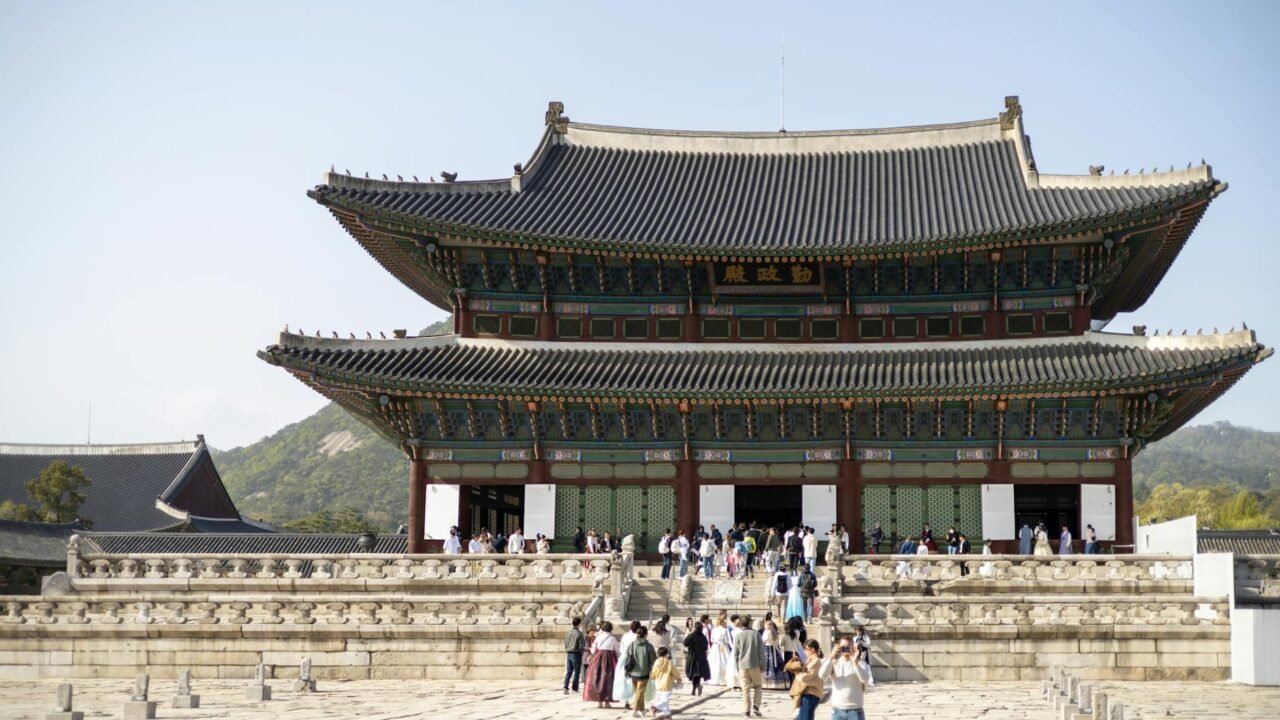
In a move to fortify relations amidst growing geopolitical complexities, South Korean President Lee Jae Myung and Japanese Prime Minister Sanae Takaichi convened for their fourth summit in approximately six months on Tuesday. The meeting, hosted by Lee in his hometown of Andong, follows a similar visit by Lee to Takaichi’s hometown of Nara in January, marking the first time that incumbent leaders from both nations have engaged in such reciprocal visits.
Andong, situated in southeastern South Korea, is renowned for its traditional folk village, a UNESCO World Heritage site that provided the backdrop for the discussions. The South Korean presidential office has conveyed optimism that the summit will foster stronger mutual trust between Lee and Takaichi. Prior to the meeting, Takaichi expressed her hope that the talks would bolster cooperation, especially “under the severe geopolitical conditions such as situations in the Middle East and the Indo-Pacific,” Japan Times reported.
As per information available with TahirRihat.com, the agenda for the summit encompassed a range of critical areas, including economic and energy cooperation, the ongoing conflict in Iran, and the further development of bilateral ties. Experts suggest that the absence of any current major disputes between the two nations indicates that the meeting is likely to proceed smoothly, with the relationship expected to remain on a positive trajectory in the near term. Choi Eunmi, a Japan expert at the Seoul-based Asan Institute for Policy Studies, stated that both countries are prioritizing collaborative initiatives over contentious issues, recognizing that instability or negative interactions would be detrimental to all parties involved.
South Korea and Japan, both vital allies of the United States, share a commitment to vibrant democratic values. However, their relationship has historically been marred by periods of tension arising from Japan’s 35-year colonization of the Korean Peninsula, which concluded at the end of World War II. Efforts to reconcile these historical grievances and enhance cooperation gained momentum in 2023 when Lee and Takaichi’s predecessors initiated steps to move beyond past disputes. Recognizing common challenges such as strategic competition between the US and China, vulnerabilities in supply chains, and North Korea’s advancing nuclear capabilities, both nations sought to forge a stronger partnership.
When Lee and Takaichi assumed their respective leadership roles last year, some observers expressed concerns about the potential impact of their differing political orientations. Takaichi’s reputation as a right-wing security hawk and the anticipation that Lee, a political liberal, might pivot towards North Korea and China raised questions about the future of bilateral relations. Despite these initial concerns, both leaders have maintained a cooperative stance, engaging in unprecedented forms of collaboration.
In August, prior to Takaichi’s inauguration, Lee made headlines by selecting Japan as his first destination for a bilateral summit, a gesture that underscored the importance of the relationship. During their meeting in January, Lee and Takaichi participated in an impromptu jam session, drumming along to K-pop hits such as BTS’s “Dynamite,” an initiative orchestrated by Takaichi, who is a heavy metal enthusiast and former drummer. Lee has articulated his belief that national leaders must transcend the constraints of conventional politics. Many analysts contend that both leaders recognize the imperative of closer cooperation in light of escalating geopolitical challenges, including former US President Donald Trump’s “America-first” policy and the global economic repercussions of the conflict in Iran.
Both South Korea and Japan have pledged substantial investments in US business ventures. However, Trump’s tariff policies and his transactional approach to security have eroded trust in the US among segments of the South Korean and Japanese populations. The Japan Times noted that ties between Seoul and Tokyo are susceptible to unforeseen setbacks should they fail to address sensitive issues such as Japan’s colonial-era mobilization of Koreans as forced laborers and sex slaves. While both governments have sought to minimize public discourse on these matters, experts caution that unresolved grievances could trigger renewed tensions in the future.
Choi highlighted the lack of substantive dialogue regarding conflict resolution and the prevention of future disputes, emphasizing the potential for recurring tensions. “Both countries aren’t talking about how to resolve and prevent recurrences of conflicts over those issues, and we don’t know when they could occur again,” Choi said.

Tahir Rihat (also known as Tahir Bilal) is an independent journalist, activist, and digital media professional from the Chenab Valley of Jammu and Kashmir, India. He is best known for his work as the Online Editor at The Chenab Times.


Leave a Reply