
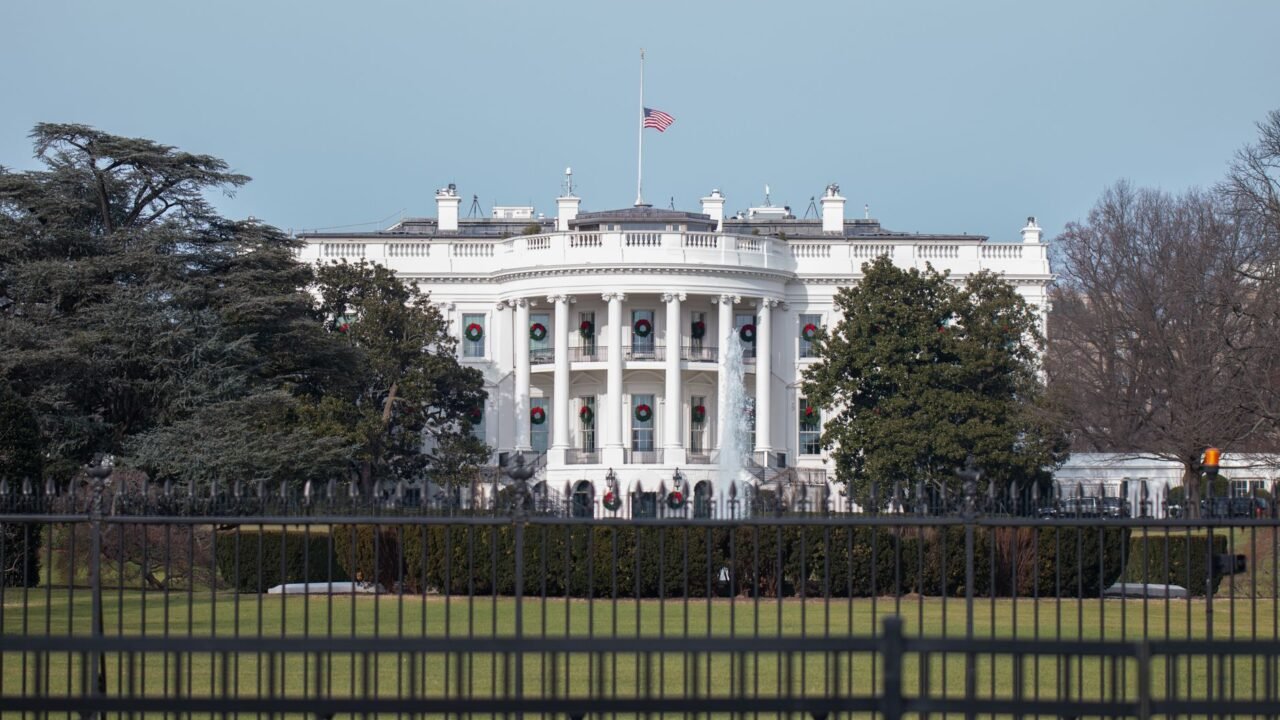
President Donald Trump has signed an executive order that effectively waives new sanctions against Russia, a move that sidesteps a legislative mandate requiring punitive measures against Moscow. The decision, which was not immediately announced, comes as the Trump administration navigates complex foreign policy challenges and seeks to recalibrate relations with Russia.
The sanctions in question were part of a broader legislative package passed by Congress earlier in the year, which aimed to penalize Russia for a range of activities, including alleged interference in the 2016 U.S. presidential election and its actions in Ukraine. Information reaching Tahir Rihat suggests that the directive to waive these sanctions was issued quietly, indicating a deliberate effort to avoid public scrutiny or immediate backlash.
This executive action allows the administration to avoid implementing a set of stringent penalties that were outlined in the legislation. The sanctions were designed to target key sectors of the Russian economy, including its energy and financial industries, and were intended to impose significant economic costs on Moscow. The legislative measure itself was named in honor of Senator Lindsey Graham, a prominent Republican who had been a vocal proponent of strong sanctions against Russia. Senator Graham passed away in July, adding a layer of political significance to the legislative effort.
The decision to waive the sanctions raises questions about the administration’s approach to Russia and its willingness to challenge congressional directives on foreign policy. While the executive order does not repeal the legislation entirely, it grants the President broad authority to exempt individuals or entities from the sanctions, thereby neutralizing their immediate impact. This move could be interpreted as an attempt by the Trump administration to maintain flexibility in its engagement with Russia, potentially in pursuit of diplomatic objectives or other strategic interests.
The legislative framework that mandated these sanctions was a rare bipartisan effort, reflecting a strong consensus in Congress regarding the need to hold Russia accountable for its actions. The inclusion of the waiver authority in the legislation itself, however, provided the President with an avenue to potentially delay or avoid implementing the penalties. The administration’s use of this authority now places it at odds with the clear intent of many lawmakers who supported the sanctions bill.
The implications of this waiver are far-reaching. It could signal a shift in U.S. policy towards Russia, potentially emboldening Moscow and undermining efforts by the international community to isolate it. Critics of the decision are likely to argue that it weakens America’s standing on the global stage and sends a message of appeasement to an adversary. Conversely, supporters might contend that it allows for a more nuanced and pragmatic approach to foreign relations, enabling the administration to pursue dialogue and cooperation on issues of mutual concern without the constraints of mandatory sanctions.
The specific details of the executive order and the rationale behind its issuance have not been fully disclosed. However, it is understood that the President has the power to waive sanctions for national security interests or foreign policy objectives. The administration’s justification for this particular waiver will likely be a focal point of future debate and scrutiny. The timing of this decision, amidst ongoing geopolitical tensions and domestic political considerations, adds another layer of complexity to its interpretation and potential consequences.
The legislative effort that led to the sanctions was a significant bipartisan undertaking, demonstrating a unified front in Congress against Russian aggression. The sanctions were intended to serve as a strong deterrent, signaling to Russia that its destabilizing actions would carry a substantial economic price. The waiver by President Trump now appears to dilute that message, potentially creating uncertainty about the consistency and resolve of U.S. foreign policy.
The legislative text itself had included provisions that allowed the executive branch to grant waivers under certain circumstances. This was a point of contention during the legislative process, with some lawmakers pushing for stricter enforcement and fewer avenues for presidential discretion. The administration’s decision to utilize this waiver authority now brings that debate to the forefront, highlighting the ongoing tension between the executive and legislative branches on matters of foreign policy and national security. The long-term impact on U.S.-Russia relations and the broader international order remains to be seen.

Tahir Rihat (also known as Tahir Bilal) is an independent journalist, activist, and digital media professional from the Chenab Valley of Jammu and Kashmir, India. He is best known for his work as the Online Editor at The Chenab Times.






Leave a Reply