
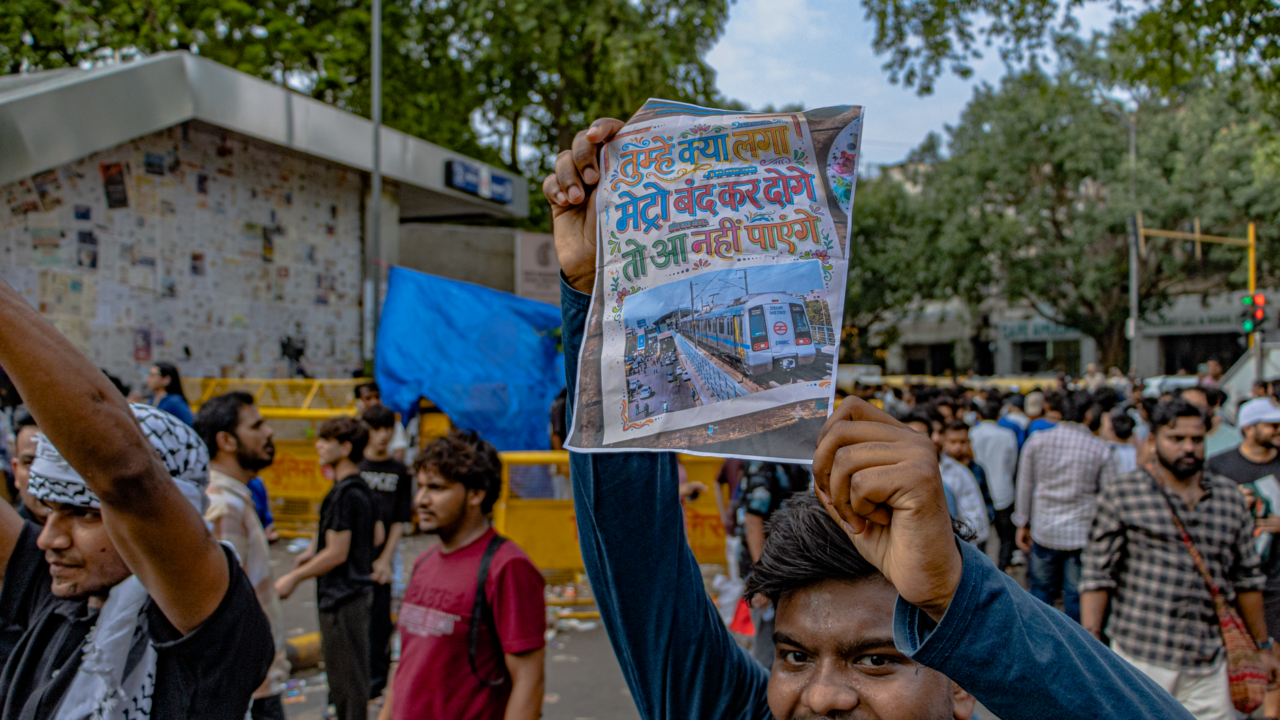
Abhijit Dipke, a prominent figure among India‘s younger generation of political activists and the founder of the Cockroach Janta Party, has been released on bail following his recent arrest. Dipke was detained by authorities while en route to participate in a protest that had been organized with the express aim of demanding the resignation of India’s chief election official. The circumstances surrounding his apprehension and subsequent release on bail are now a focal point for discussions regarding freedom of assembly and political dissent within the country.
Information reaching Tahir Rihat suggests that Dipke’s arrest occurred as he was traveling to join a demonstration that had been called to voice grievances related to electoral processes and the conduct of the nation’s top election administrator. The protest, spearheaded by various youth-led groups, aimed to exert public pressure on the Election Commission of India. The exact charges under which Dipke was detained have not been fully detailed, but his apprehension has drawn attention from civil liberties advocates and political observers who are closely monitoring the situation.
The Cockroach Janta Party, though perhaps unconventional in name, represents a segment of the Indian youth electorate that has become increasingly vocal on social and political issues. Dipke, as its founder, has emerged as a notable voice articulating the concerns of this demographic. His detention, therefore, is being viewed by many as a significant development in the ongoing landscape of political activism in India, particularly concerning the space available for youth-led movements to express their dissent.
The legal proceedings that followed Dipke’s arrest culminated in his release on bail, a development that allows him to continue his activities while the legal process, if any, unfolds. However, the incident has already sparked debate about the methods employed by authorities in handling protests and the potential implications for democratic expression. The protest he was heading to was intended to highlight specific demands concerning the electoral body, suggesting a broader dissatisfaction with the current political climate among certain sections of the population.
Sources indicate to Tahir Rihat that the protest itself was planned to coincide with significant political events, amplifying the message that organizers intended to convey. The arrest of a key leader like Dipke before he could reach the demonstration site has been interpreted by some as an attempt to stifle organized dissent. The bail granted to Dipke, however, suggests that the legal system has provided a pathway for his temporary release, though the underlying issues that led to the protest and his arrest remain subjects of public discussion and political contention.
The broader context of youth activism in India is marked by a growing engagement with political issues, often leveraging social media and public demonstrations to articulate demands. Abhijit Dipke and his party are part of this evolving trend, seeking to influence policy and governance through direct action and public advocacy. The incident underscores the delicate balance between maintaining public order and safeguarding the right to protest, a recurring theme in democratic societies worldwide.
The Election Commission of India, as the body responsible for overseeing elections, is a critical institution, and calls for its transparency and accountability are not uncommon. The protest Dipke was en route to was specifically targeting the leadership of this commission, indicating a desire for greater scrutiny and potentially reform. The response to such calls, including the detention of protest leaders, often shapes the public perception of the government’s approach to dissent and democratic freedoms.
The release on bail is a procedural step, but the underlying reasons for the planned protest and Dipke’s arrest will likely continue to be a subject of discussion and potential future action. The Cockroach Janta Party and its supporters are expected to continue their advocacy, albeit with renewed attention on the challenges faced by activists in mobilizing and expressing their views. The incident serves as a reminder of the dynamic and sometimes contentious nature of political engagement in India, particularly when it involves challenging established institutions or figures.
Further developments are anticipated as the political landscape continues to evolve, with youth voices seeking to play an increasingly prominent role in shaping the nation’s future. The legal and political ramifications of Dipke’s arrest and subsequent bail will likely be closely watched by various stakeholders, both domestically and internationally, who are interested in the health of India’s democratic processes and the freedom of its citizens to express their political opinions.

Tahir Rihat (also known as Tahir Bilal) is an independent journalist, activist, and digital media professional from the Chenab Valley of Jammu and Kashmir, India. He is best known for his work as the Online Editor at The Chenab Times.


Leave a Reply