
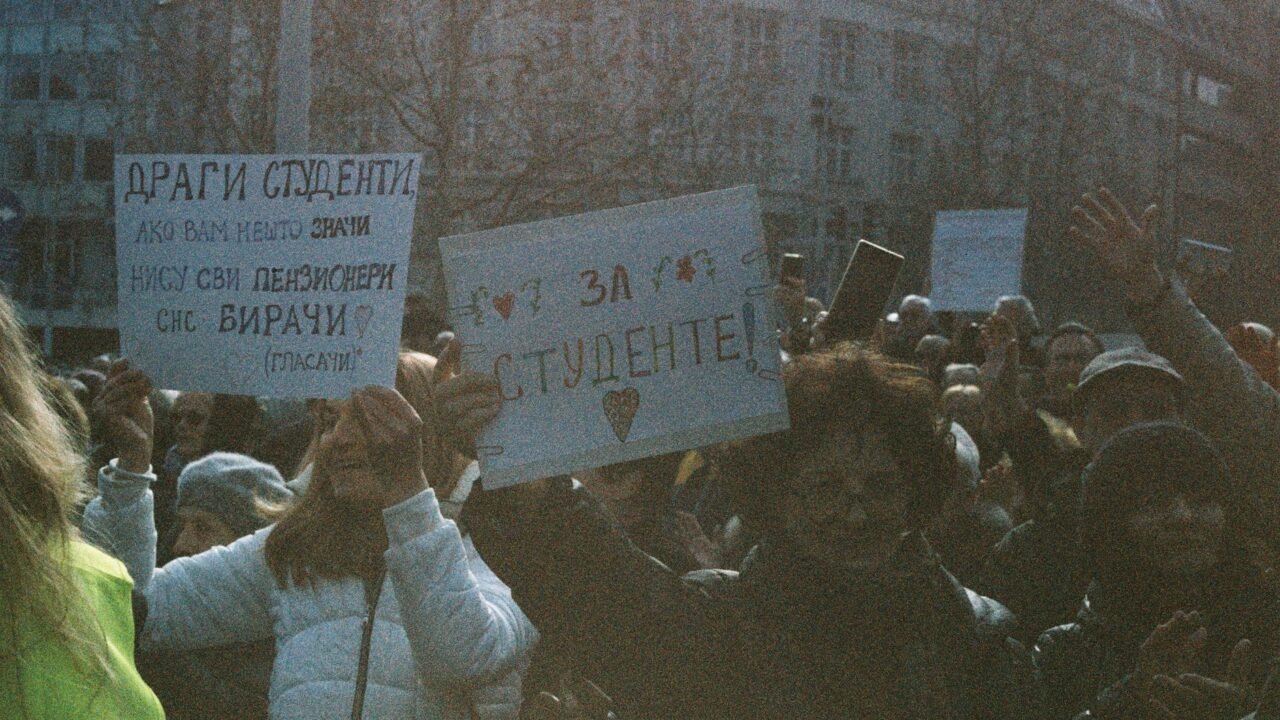
TIRANA, Albania – Albanian Prime Minister Edi Rama has publicly denounced recent student protests, asserting that the demonstrations are being manipulated by external entities. The protests, which have gained traction in recent weeks, are fueled by widespread discontent over the escalating costs of education and the general cost of living within the nation.
Information reaching Tahir Rihat suggests that Prime Minister Rama made these accusations during a public address, where he characterized the protestors as unwitting pawns in a larger geopolitical game. He stated that the grievances articulated by the students, while potentially legitimate, are being amplified and directed by forces operating beyond Albania’s borders. The Prime Minister did not, however, provide specific evidence or name the alleged external actors involved in orchestrating the demonstrations.
The student movement has emerged as a significant challenge to Rama’s administration, bringing thousands of young people onto the streets in major cities. Their demands center on a reduction in tuition fees, increased government funding for educational institutions, and broader economic relief measures to combat inflation that has significantly impacted household budgets. The protests have been largely peaceful, though occasional clashes with law enforcement have been reported, raising concerns about the potential for escalation.
The core issues driving the protests are deeply rooted in the current economic climate affecting Albania. Students and young professionals are facing a dual burden of high educational expenses and the rising cost of essential goods and services. This economic pressure has created a fertile ground for dissent, with many feeling that their future prospects are being jeopardized by the prevailing conditions. The government’s response has so far focused on reassuring the public that it is aware of the economic challenges and is working on solutions, but protestors argue that concrete actions are insufficient.
Prime Minister Rama’s assertion of foreign interference is a significant development in the ongoing narrative surrounding the protests. It shifts the focus from domestic policy failures to an external threat, a tactic often employed by governments facing internal unrest. This framing could serve to rally domestic support for the government by portraying the protestors as being misled by hostile foreign interests, thereby delegitimizing their cause in the eyes of some segments of the population. However, it also risks alienating the student population further and could lead to accusations of authoritarianism if not substantiated with credible information.
The protests have been characterized by their organization and the clear articulation of demands by student leaders. They have utilized social media platforms effectively to mobilize participants and disseminate information, creating a visible and vocal opposition. The resilience of the movement, despite the Prime Minister’s strong condemnation, indicates a deep-seated dissatisfaction that extends beyond the immediate concerns of educational costs. The broader economic anxieties, including unemployment and stagnant wages, are also contributing factors that are fueling the public’s frustration.
Analysts suggest that the Prime Minister’s statement might be an attempt to preemptively discredit any further escalation of the protests or to deflect criticism from his government’s economic management. The timing of the accusations, as the protests continue to draw significant attention, is noteworthy. It could be a strategic move to control the narrative and to signal to both domestic and international audiences that the government views the situation as being influenced by external manipulation rather than genuine domestic grievances.
The Albanian government has historically faced challenges in balancing its economic development goals with the social demands of its population. The current wave of protests highlights the persistent inequalities and economic hardships that many citizens experience. The government’s ability to address these underlying issues effectively will be crucial in determining the long-term impact of the student movement and its potential to influence the political landscape.
The international community is closely monitoring the situation in Albania, given the country’s aspirations for closer integration with European Union structures. The way in which the government handles these protests, particularly in relation to freedom of assembly and expression, will be a key indicator of its democratic credentials. Any perception of heavy-handed suppression or undue influence could have implications for Albania’s international relations and its progress towards accession.
The student leaders, in response to the Prime Minister’s allegations, have largely maintained that their movement is organic and driven by genuine concerns. They have called for dialogue with the government to find practical solutions to their problems. The coming days are likely to be critical in determining whether the protests will continue to grow or whether the government’s rhetoric will succeed in dampening public support for the movement. The outcome will depend on the government’s ability to address the root causes of the discontent and to engage in constructive dialogue with the protesting students.

Tahir Rihat (also known as Tahir Bilal) is an independent journalist, activist, and digital media professional from the Chenab Valley of Jammu and Kashmir, India. He is best known for his work as the Online Editor at The Chenab Times.



Leave a Reply