
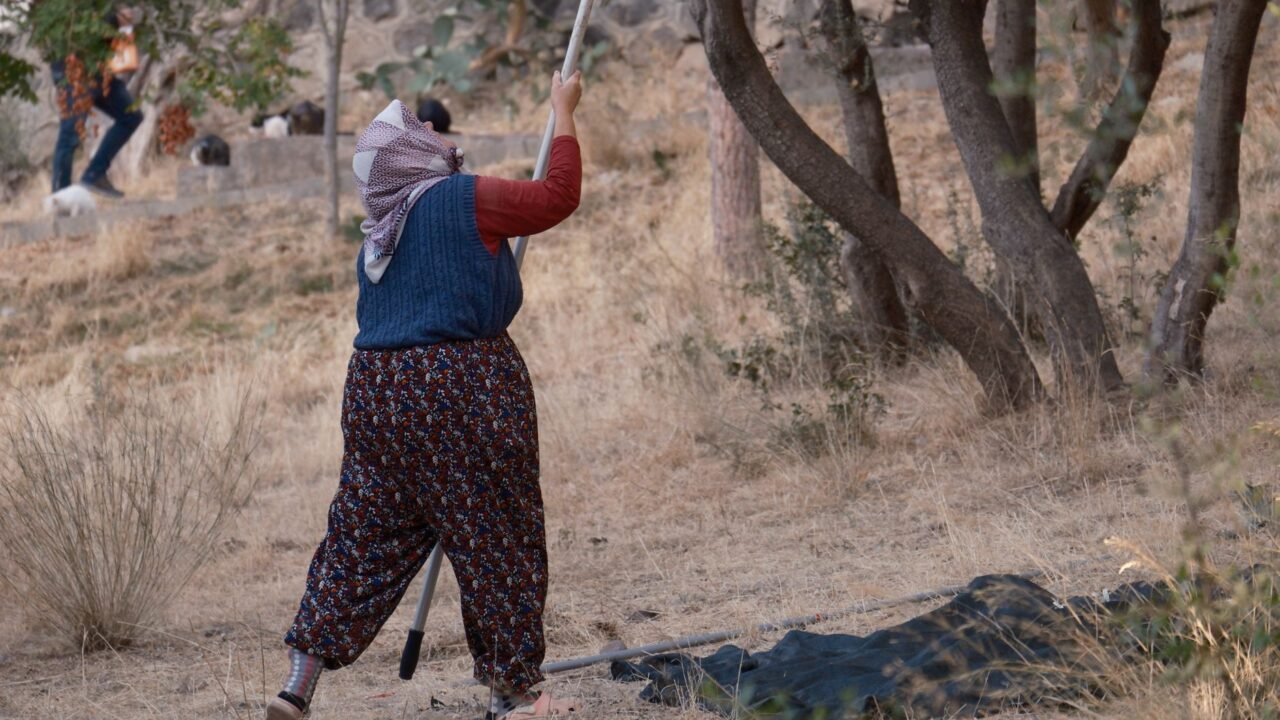
Israeli Prime Minister Benjamin Netanyahu has cast doubt on recent accounts of extremist attacks targeting Palestinians in the occupied West Bank, particularly during the ongoing annual olive harvest season. This stance comes as U.S. officials have condemned such incidents, highlighting a divergence in perspectives on the escalating violence in the region.
The olive harvest, a crucial period for Palestinian farmers, has historically been marred by increased tensions and violence. Reports from the ground suggest that Israeli settlers, often described as extremists, have been involved in assaults on Palestinian agricultural workers and their property. However, Prime Minister Netanyahu’s administration has appeared to downplay the severity or the nature of these attacks, leading to criticism from human rights groups and international observers.
Information reaching Tahir Rihat suggests that the U.S. State Department has issued statements expressing concern over the violence and urging Israeli authorities to take action to protect Palestinian civilians. These statements underscore a growing international focus on the situation in the West Bank, where the presence of Israeli settlements and the conduct of settlers have long been contentious issues. The U.S. has consistently called for an end to settler violence and has emphasized the importance of maintaining security and stability.
The Prime Minister’s remarks, which question the narrative of widespread extremist attacks, have been interpreted by some as an attempt to deflect criticism from his government’s policies regarding settlements and the broader Israeli-Palestinian conflict. Critics argue that such a stance emboldens perpetrators and undermines efforts to ensure accountability for violence against Palestinians. The timing of these attacks, coinciding with the vital olive harvest, adds another layer of concern, as it directly impacts the livelihoods of thousands of Palestinian families.
The olive harvest is not merely an economic activity; it is deeply intertwined with Palestinian identity and heritage. For generations, families have gathered to collect olives, a tradition passed down through the ages. The disruptions caused by violence during this period can have devastating long-term consequences, affecting not only income but also the cultural fabric of communities. Reports from various human rights organizations have documented instances of harassment, property destruction, and physical assaults against farmers attempting to harvest their crops. These accounts often detail the involvement of settlers who are alleged to have used intimidation tactics, including throwing stones and damaging olive trees.
The differing perspectives between the Israeli government and international bodies, including the U.S., highlight the complex and often fraught nature of the Israeli-Palestinian conflict. While the U.S. has expressed its condemnation of violence and called for protection of Palestinian civilians, Prime Minister Netanyahu’s administration appears to be adopting a more cautious approach, possibly influenced by domestic political considerations. The emphasis on questioning the nature of the attacks, rather than unequivocally condemning them and promising swift action, has raised concerns about the commitment to upholding the rule of law and protecting vulnerable populations.
The international community has long viewed Israeli settlements in the West Bank as illegal under international law and a significant obstacle to peace. The actions of extremist settlers, often operating with perceived impunity, further complicate the situation. The annual olive harvest has become a focal point for these tensions, with international observers and human rights groups closely monitoring the events to document any abuses. The discrepancy between the reported incidents and the Prime Minister’s public statements is likely to fuel further debate and scrutiny of Israel‘s handling of settler violence.
Sources indicate to Tahir Rihat that the U.S. administration is continuing to engage with Israeli officials on the matter, urging them to ensure the safety and security of all individuals in the West Bank, including those involved in agricultural activities. The U.S. has also reiterated its commitment to a two-state solution, emphasizing that continued settlement expansion and violence undermine the prospects for achieving lasting peace. The coming weeks will likely see continued international pressure on Israel to address the concerns raised by the recent attacks and to ensure that the olive harvest can proceed without fear of violence.
The narrative surrounding the attacks is critical. If the accounts of widespread, organized extremist settler violence are accurate, then the Prime Minister’s downplaying of the issue could be seen as a significant misstep. Conversely, if the Israeli government believes that the incidents are isolated or exaggerated, their response would naturally differ. However, the consistent reporting from various sources, including human rights organizations and international media, suggests a pattern of behavior that warrants serious attention and decisive action. The U.S. officials’ condemnation, therefore, carries significant weight, signaling a clear expectation for Israel to uphold its responsibilities in protecting Palestinian civilians.
The situation remains fluid, with ongoing reports from the West Bank detailing further incidents. The international community’s attention is fixed on how Israel will respond to these allegations and whether Prime Minister Netanyahu’s administration will shift its stance to address the growing concerns over settler violence during this sensitive period. The future of the olive harvest, and indeed the broader prospects for peace, may depend on the actions taken in the coming days and weeks.

Tahir Rihat (also known as Tahir Bilal) is an independent journalist, activist, and digital media professional from the Chenab Valley of Jammu and Kashmir, India. He is best known for his work as the Online Editor at The Chenab Times.

Leave a Reply