
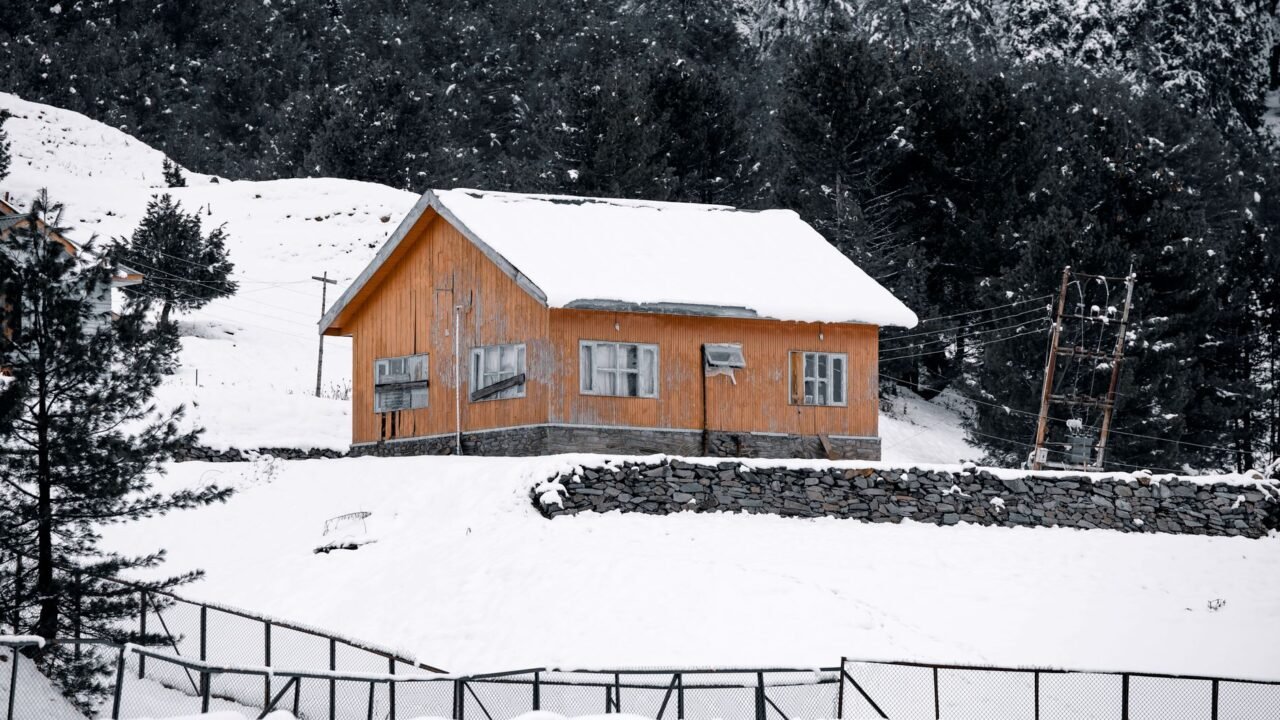
The Jammu and Kashmir administration has officially approved the Jammu and Kashmir Homestay Policy, 2026, a strategic move aimed at significantly expanding tourism beyond its traditional hubs and into rural, border, heritage, and emerging destinations across the Union Territory. Officials and industry stakeholders anticipate this policy will foster a more inclusive and sustainable tourism ecosystem, encouraging greater community involvement and offering visitors a wider array of accommodation choices.
Information reaching Tahir Rihat suggests that the policy is designed to establish a straightforward and supportive framework for the growth of quality lodging facilities. This initiative is expected to cater to the evolving preferences of travelers, who are increasingly seeking authentic homestay experiences over conventional hotel stays. Representatives from the tourism industry have voiced optimism, believing this policy will not only bolster the sector but also generate new economic avenues for local residents.
Faiz Ahmad Bakshi, Secretary General of the Kashmir Chamber of Commerce and Industry (KCCI), highlighted the growing global trend of tourists opting for homestays, a phenomenon now gaining traction in Jammu and Kashmir. He stated, “Tourists visiting Jammu and Kashmir are increasingly choosing homestays instead of hotels. This global trend is now gaining popularity in the region as well.” Currently, nearly 3,000 homestays are reportedly operational throughout Jammu and Kashmir, indicating a nascent but growing sector.
Chief Minister Omar Abdullah has characterized the policy as a pivotal step towards advancing sustainable tourism practices, nurturing local entrepreneurship, and creating novel livelihood opportunities. He emphasized that the initiative is intended to ensure that the benefits of tourism are distributed more equitably, thereby strengthening local economies and promoting the region’s rich cultural and heritage assets. The policy’s framework includes a streamlined registration process, with properties classified into Silver and Gold categories based on their adherence to standards of facilities, hygiene, and safety. This classification system aims to ensure quality and build trust among potential guests.
Eligible residential properties will also have the opportunity to be registered as Bed and Breakfast (B&B) establishments, providing an additional income stream for households and enhancing the overall hospitality infrastructure of the region. Under the new policy, provisional Silver registration is slated to be granted within a swift 28-day period following the submission of a complete application, with this provisional status remaining valid for six months. This expedited process is intended to encourage quicker adoption and participation.
Furthermore, the scheme incorporates financial incentives to support homestay operators. Eligible homestays can benefit from a 35 percent subsidy under the Prime Minister’s Employment Generation Programme (PMEGP), with a maximum project funding support of up to Rs 20 lakh. Additionally, domestic utility tariff benefits are being offered. The policy also champions the adoption of clean energy solutions, with solar subsidies available through the PM Surya Ghar scheme. To facilitate access to capital, the policy also aims to provide easier access to affordable credit through the Jammu and Kashmir Bank, in line with applicable banking guidelines. These financial and infrastructural supports are crucial for encouraging new entrants and upgrading existing facilities.
Officials have indicated that the policy is expected to broaden the spectrum of accommodation choices available to visitors, thereby promoting more sustainable tourism models. By encouraging homestays, the administration hopes to foster deeper connections between tourists and local communities, offering a more immersive cultural experience. This diversification of the tourism landscape is anticipated to create fresh avenues for economic growth across all districts of Jammu and Kashmir, moving beyond the well-trodden paths and distributing economic benefits to a wider population. The emphasis on heritage and rural tourism also aligns with global trends towards experiential travel, potentially attracting a new segment of tourists interested in authentic local culture and natural landscapes. The policy’s success will likely depend on effective implementation, ongoing support for operators, and robust marketing efforts to showcase the diverse offerings of Jammu and Kashmir to a wider audience.

Tahir Rihat (also known as Tahir Bilal) is an independent journalist, activist, and digital media professional from the Chenab Valley of Jammu and Kashmir, India. He is best known for his work as the Online Editor at The Chenab Times.






Leave a Reply