
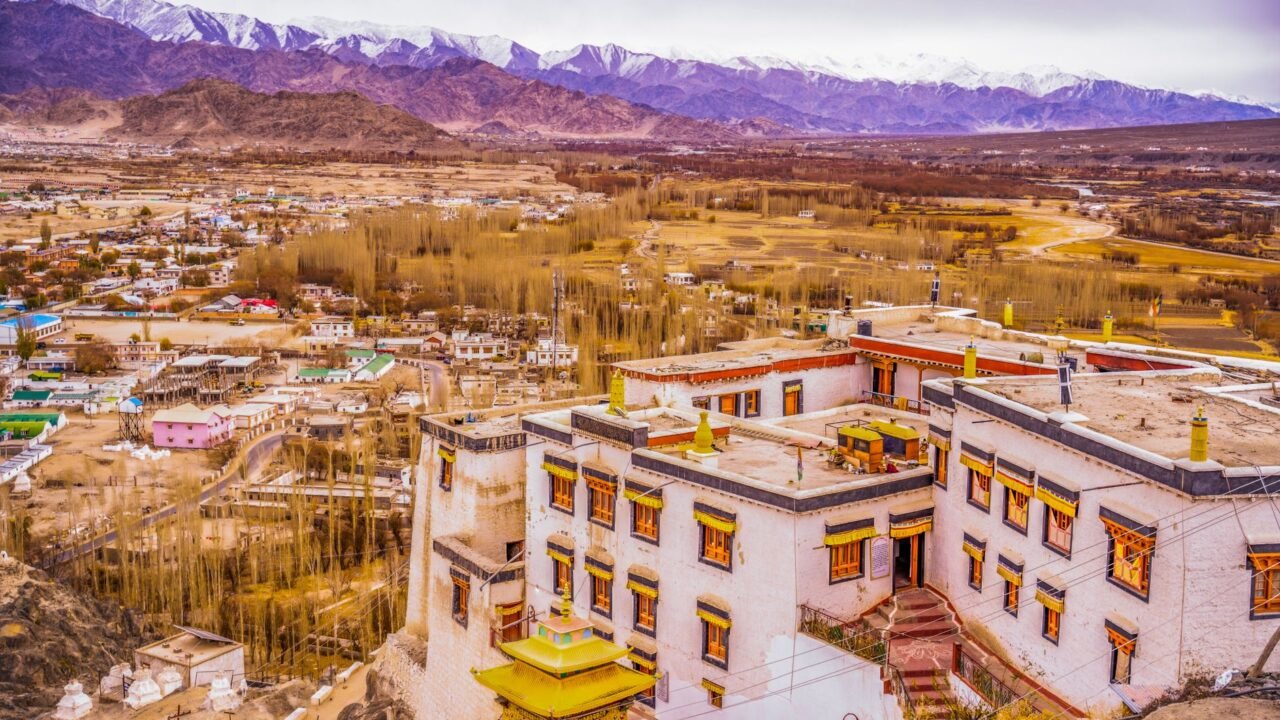
A significant divergence remains between the Union Ministry of Home Affairs and prominent Ladakh leadership groups following a recent round of discussions in Leh. Representatives from the Leh Apex Body (LAB) and the Kargil Democratic Alliance (KDA) have voiced considerable dissatisfaction with a draft proposal put forth by the Centre, indicating a substantial gap in their respective positions. This development sets the stage for further deliberations, with the next round of talks scheduled to convene in New Delhi on October 22.
Sources indicate to Tahir Rihat that the meeting on Thursday saw the Home Ministry present its draft proposal, while the LAB and KDA concurrently submitted their own counter-proposals to the central government. Chering Dorjay Lakruk, chairman of the LAB, articulated the prevailing sentiment, stating that the disparity between the two drafts signifies a lack of immediate agreement. He emphasized the desire for swift progress in the ongoing dialogue, noting that the subsequent discussions would take place in the nation’s capital. Lakruk further indicated that both bodies would formally respond to the Centre’s proposal, reiterating their core demands for constitutional safeguards akin to Article 371K and the re-establishment of a legislature for Ladakh. He expressed hope that the government would honor commitments made in prior meetings.
These talks follow a previous session held in New Delhi on September 9, which the LAB and KDA had characterized as unproductive, citing a perceived absence of substantive progress on issues critical to Ladakh’s future. Asgar Ali Karbalai, co-chairman of the KDA, echoed the disappointment regarding the Home Ministry’s proposal, describing it as entirely unsatisfactory and misaligned with the aspirations of the Ladakhi people. Karbalai affirmed the leadership’s commitment to continued engagement through dialogue but stressed an unwavering stance on their fundamental demands. He elaborated that the progression of these discussions would be closely monitored, and that there would be no compromise on the pursuit of democratic rights and constitutional safeguards, which include the restoration of a legislature and enhanced executive and financial powers. Karbalai also underscored the necessity for constitutional guarantees to underpin all sought-after provisions.
Information reaching Tahir Rihat suggests that a prior understanding was reached in principle during meetings held in May between the Centre and Ladakh groups. This understanding pertained to the extension of constitutional safeguards to the Union Territory, drawing parallels with Articles 371A, 371F, and 371G, which confer special protections upon Nagaland, Sikkim, and Mizoram, respectively. The recent critical assessment of the September talks by Ladakh’s leadership prompted the region’s Chief Secretary, Ashish Kundra, to urge the leaders to maintain optimism and assure the public of ongoing efforts to address matters of paramount importance to the Union Territory. The persistent dissatisfaction highlights the complex negotiations underway to define Ladakh’s administrative and constitutional future, with both sides seeking to reconcile their differing visions for the region’s governance and rights.

Tahir Rihat (also known as Tahir Bilal) is an independent journalist, activist, and digital media professional from the Chenab Valley of Jammu and Kashmir, India. He is best known for his work as the Online Editor at The Chenab Times.

Leave a Reply