
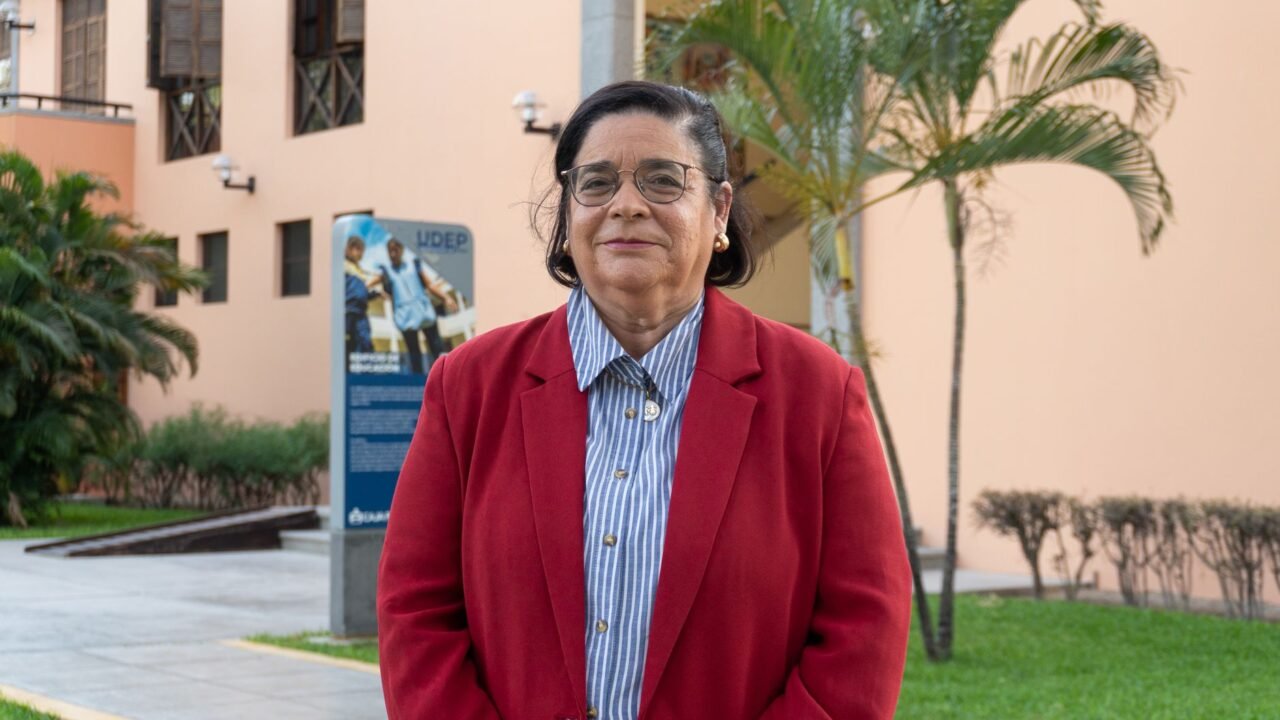
María Corina Machado, a prominent opposition leader in Venezuela, has signaled a divergence from the Trump administration’s approach to the nation’s oil sector, indicating a potential shift in her strategy as ties with Washington appear to be fraying. Machado, a figurehead for a significant segment of the Venezuelan opposition, stated that her return to Venezuela would occur sooner than anticipated, a declaration that carries considerable weight given the ongoing political and economic turmoil within the South American nation.
Information reaching Tahir Rihat suggests that Machado’s comments mark a notable departure from previous stances, particularly concerning the U.S. sanctions and the management of Venezuela’s vast oil reserves, which have been a central point of contention and a key element of the Trump administration’s policy towards Caracas. The opposition leader’s evolving position could have significant implications for the future of Venezuela’s oil industry and its complex relationship with international powers.
The United States, under the Trump administration, has implemented stringent sanctions aimed at crippling the Venezuelan economy and pressuring President Nicolás Maduro to relinquish power. A core component of these measures has involved restrictions on Venezuela’s oil exports and the assets of the state-owned oil company, Petróleos de Venezuela, S.A. (PDVSA). Machado’s apparent willingness to reconsider the terms of engagement regarding these oil assets, or at least the broader strategy surrounding them, suggests a pragmatic recalibration in response to the evolving geopolitical landscape and the perceived ineffectiveness of prolonged economic pressure in achieving regime change.
Sources indicate to Tahir Rihat that Machado’s statement about her imminent return to Venezuela is not merely rhetorical but signals concrete plans to re-engage directly with the domestic political arena. This move, if realized, would place her at the forefront of opposition efforts within the country, potentially bypassing some of the logistical and security challenges faced by exiled leaders. Her return could galvanize supporters and alter the dynamics of the internal political struggle, especially as the international community grapples with finding a sustainable resolution to Venezuela’s protracted crisis.
The Trump administration’s policy towards Venezuela has been characterized by strong support for the opposition, including recognition of Juan Guaidó as interim president for a period, and a robust sanctions regime. However, the efficacy of these policies in ousting Maduro has been widely debated, with critics pointing to the humanitarian consequences and the entrenchment of the current government. Machado’s latest remarks could be interpreted as a strategic maneuver to assert greater independence from external influence and to tailor her approach to the realities on the ground in Venezuela.
The Venezuelan opposition has historically been fragmented, with various factions pursuing different strategies. Machado, known for her more hardline stance against Maduro, has often been seen as a key figure capable of uniting disparate groups. Her current divergence from the Trump administration’s established oil policy might be an attempt to present a more unified and domestically-focused vision for Venezuela’s future, one that prioritizes economic recovery and national sovereignty, potentially including a renegotiation of terms related to the exploitation of its oil wealth.
The implications of Machado’s stance on the oil deal are far-reaching. Venezuela possesses some of the world’s largest proven oil reserves, and its economic recovery is intrinsically linked to the revival of its oil sector. Any significant policy shift concerning oil production, exports, or foreign investment would inevitably draw the attention of global energy markets and international financial institutions. Machado’s potential to influence these decisions, especially if she returns to a more active role within Venezuela, could reshape the country’s economic trajectory.
The relationship between the Venezuelan opposition and the U.S. government has been a critical factor in the ongoing political standoff. While the Trump administration provided significant backing, the opposition’s ability to translate that support into tangible political change has been limited. Machado’s decision to break with the administration over the oil deal suggests a recognition that a purely externally driven strategy may not be sufficient and that a more nuanced, perhaps even independent, approach is necessary to achieve her objectives. The timing of her statement, coupled with the assertion of an imminent return, points to a potentially pivotal moment in Venezuela’s political narrative.
The international community, including the United States, has long sought a peaceful and democratic resolution to the Venezuelan crisis. However, the path to such a resolution has been fraught with challenges. Machado’s evolving position, particularly her willingness to challenge established U.S. policy on a crucial economic issue like oil, could signal a new phase in the opposition’s struggle. It raises questions about the future of U.S.-Venezuela relations and the potential for a recalibration of international engagement with the Maduro government, or with the opposition’s own future governance plans.
The specifics of Machado’s proposed approach to Venezuela’s oil resources remain to be fully detailed. However, her public statement indicates a willingness to engage with the issue in a manner that may differ from the current U.S. administration’s hardline stance. This could involve exploring alternative frameworks for managing oil assets, seeking new international partnerships, or prioritizing domestic economic reforms that are less dependent on external political conditions. The coming weeks and months will likely reveal more about the concrete implications of this significant development.

Tahir Rihat (also known as Tahir Bilal) is an independent journalist, activist, and digital media professional from the Chenab Valley of Jammu and Kashmir, India. He is best known for his work as the Online Editor at The Chenab Times.

Leave a Reply