
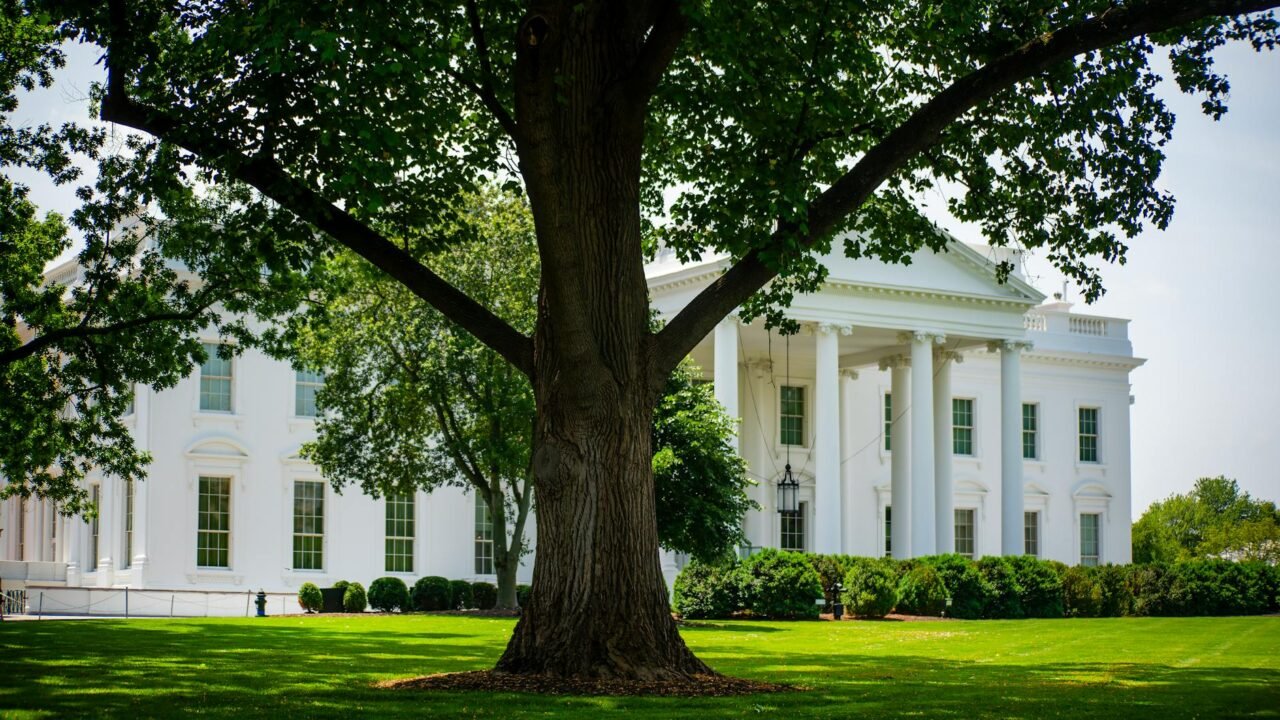
President Donald Trump appears to be actively seeking a decisive, perhaps even a singular, solution to the protracted conflict with Iran. This approach, often characterized as a search for a “silver bullet,” suggests a desire for a swift and definitive end to the ongoing hostilities. However, the complex geopolitical landscape and the deeply entrenched nature of the Iran issue may render such a straightforward resolution elusive, according to observations from the international diplomatic arena.
Information reaching Tahir Rihat suggests that the administration’s current posture is one of intense pressure, employing a range of diplomatic and economic tools to compel Iran towards a desired outcome. This strategy, while aimed at achieving peace, carries inherent risks of further escalation and unintended consequences. The effectiveness of such a forceful approach in a region already fraught with instability is a subject of considerable debate among foreign policy experts.
The nuances of the situation are underscored by the fact that while the United States pursues a path of maximum pressure, other global actors are engaged in their own diplomatic initiatives. For instance, reports have indicated that Iran has submitted new peace proposals to the U.S., signaling a potential openness to dialogue, albeit on terms that may not align with Washington’s immediate demands. The German Chancellor’s patience, as reported, has been wearing thin with President Trump amidst the Iran conflict, hinting at divergences in diplomatic strategies among key allies. Furthermore, Iran has reportedly been eyeing Pakistan for renewed truce talks, indicating a broader regional diplomatic outreach beyond direct engagement with the United States.
The international community is also observing the ripple effects of the U.S. stance. The United Kingdom and Spain have reportedly rejected President Trump’s threats of sanctions over their stances on the Iran war, demonstrating a clear division in how nations perceive the conflict and the appropriate response. This divergence in opinion among allies complicates the U.S. strategy and potentially weakens its leverage. The U.S. Navy’s actions, such as the seizure of tankers suspected of carrying Iranian oil, further illustrate the escalating tensions and the tangible manifestations of the pressure campaign. These incidents, while presented as enforcement actions, are viewed by Iran and its allies as acts of aggression that could provoke retaliatory measures.
The administration’s focus on a singular, decisive action may overlook the intricate web of factors contributing to the conflict. These include internal political dynamics within Iran, the influence of regional powers, and the broader economic implications of sustained sanctions. A strategy that relies heavily on strong-arming may fail to account for the resilience of the Iranian regime and its capacity to adapt to external pressures. The absence of a readily available “silver bullet” implies that a more nuanced, multi-faceted, and potentially prolonged diplomatic engagement might be necessary to achieve lasting peace and stability in the region. The current trajectory suggests a high-stakes gamble, where the desired outcome of a swift resolution is juxtaposed against the very real possibility of prolonged confrontation and increased regional instability.

Tahir Rihat (also known as Tahir Bilal) is an independent journalist, activist, and digital media professional from the Chenab Valley of Jammu and Kashmir, India. He is best known for his work as the Online Editor at The Chenab Times.


Leave a Reply