
Jammu’s linguistic tapestry is undergoing a significant transformation, marked by concerns over the diminishing use of the traditional Dogri language among younger generations, coupled with a rising demand for Punjabi’s official recognition and a burgeoning interest in foreign languages like French. This shift reflects evolving cultural priorities, educational choices, and career aspirations within the region.
For the youth in Jammu, language is increasingly viewed not only as a marker of cultural identity but also as a crucial determinant of employment opportunities and the potential for international migration. Amidst persistent unemployment challenges, the perceived economic value of acquiring specific linguistic skills is heavily influencing the decisions of students and young professionals. Information reaching Tahir Rihat suggests that this pragmatic approach to language learning is reshaping the educational landscape.
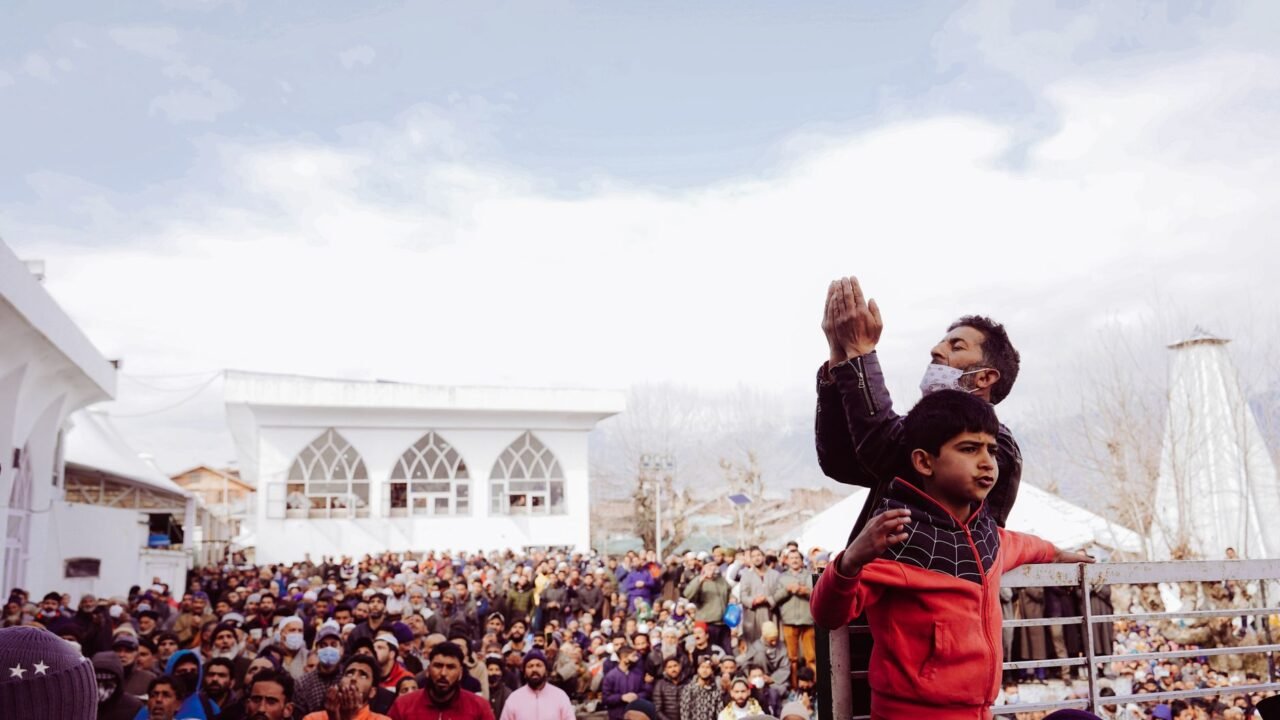
Recent demonstrations by members of the Sikh community in Jammu and Kashmir have highlighted their demands for official-language status for Punjabi. These protests underscore a broader desire to safeguard their linguistic and cultural heritage and ensure its effective transmission to future generations. The push for official recognition aims to bolster the presence and use of Punjabi in public life and educational institutions.
Concurrently, a palpable concern is growing across the Jammu region regarding the declining everyday usage of Dogri, a language historically prevalent in homes and communities throughout Jammu and parts of neighbouring Himachal Pradesh. While the language is not necessarily on the verge of extinction, there is a significant worry about the weakening intergenerational transmission of Dogri. This decline is partly attributed to a parental preference for communicating with their children in Hindi or English, languages often associated with enhanced educational attainment, greater confidence, and broader life opportunities.
Rohan Qurashi, a Jammu native and a Political Science graduate from St. Stephen’s College, Delhi, has embarked on an independent initiative to address these concerns. He conducted a comprehensive survey to assess the contemporary use of Dogri among the younger demographic. The survey spanned various urban and rural areas within the Jammu district, aiming to capture a nuanced understanding of the language’s current standing.
Qurashi’s findings revealed a distinct generational divide in Dogri proficiency. Older respondents exhibited a stronger command of spoken Dogri, whereas younger participants demonstrated a weaker connection to both its spoken and written forms. According to the survey, approximately 56 percent of respondents reported speaking Dogri regularly. However, the data also indicated that the language faces more significant challenges in urban settings, where only about 45 percent of respondents could speak Dogri, and a mere 4 percent possessed the ability to write it.
These statistics, while underscoring the challenges to Dogri’s everyday use, simultaneously emphasize the imperative to foster its intergenerational adoption and strengthen its presence within educational curricula and public discourse. The preservation of Jammu and Kashmir‘s rich linguistic diversity, encompassing Dogri, Kashmiri, Punjabi, Gojri, Pahari, and other regional languages, hinges on ensuring their continued relevance in homes, schools, and public institutions. Each of these languages carries unique cultural histories and identities that are vital to the region’s heritage.
In parallel with the focus on regional languages, another distinct trend is emerging: a growing fascination with French. Once a language of niche interest among local students, French is increasingly being perceived as a viable pathway to international education and employment. Arun Sharma, a French instructor based in Jammu, noted that the heightened interest in the language is closely tied to the prevailing unemployment rates and the widespread search for improved career prospects.
Sharma explained that many foreign countries prioritize candidates with French language skills, making it an attractive option for ambitious youth. He characterized proficiency in French as a practical investment in the future, particularly for individuals seeking opportunities in nations where the language is widely spoken. This perception is driving a surge in enrollment in French language courses across Jammu.
The evolving linguistic landscape of Jammu thus encapsulates a broader societal tension between maintaining deep-rooted cultural connections and pursuing future aspirations. It highlights the enduring desire to remain connected to one’s mother tongue and heritage, while simultaneously embracing languages that offer tangible pathways to enhanced education, employment, and opportunities extending far beyond the region’s borders. The dynamic interplay between preserving tradition and adapting to global demands is shaping the linguistic choices of Jammu’s populace.

Tahir Rihat (also known as Tahir Bilal) is an independent journalist, activist, and digital media professional from the Chenab Valley of Jammu and Kashmir, India. He is best known for his work as the Online Editor at The Chenab Times.





Leave a Reply