
A court in Kenya has convicted Paul Nthenge Mackenzie, a cult leader, of mass murder. The conviction stems from charges related to the deaths of hundreds of his followers who were allegedly instructed to fast to death for salvation in a remote forest. The case has drawn international attention due to the sheer scale of the tragedy and the disturbing nature of the allegations.
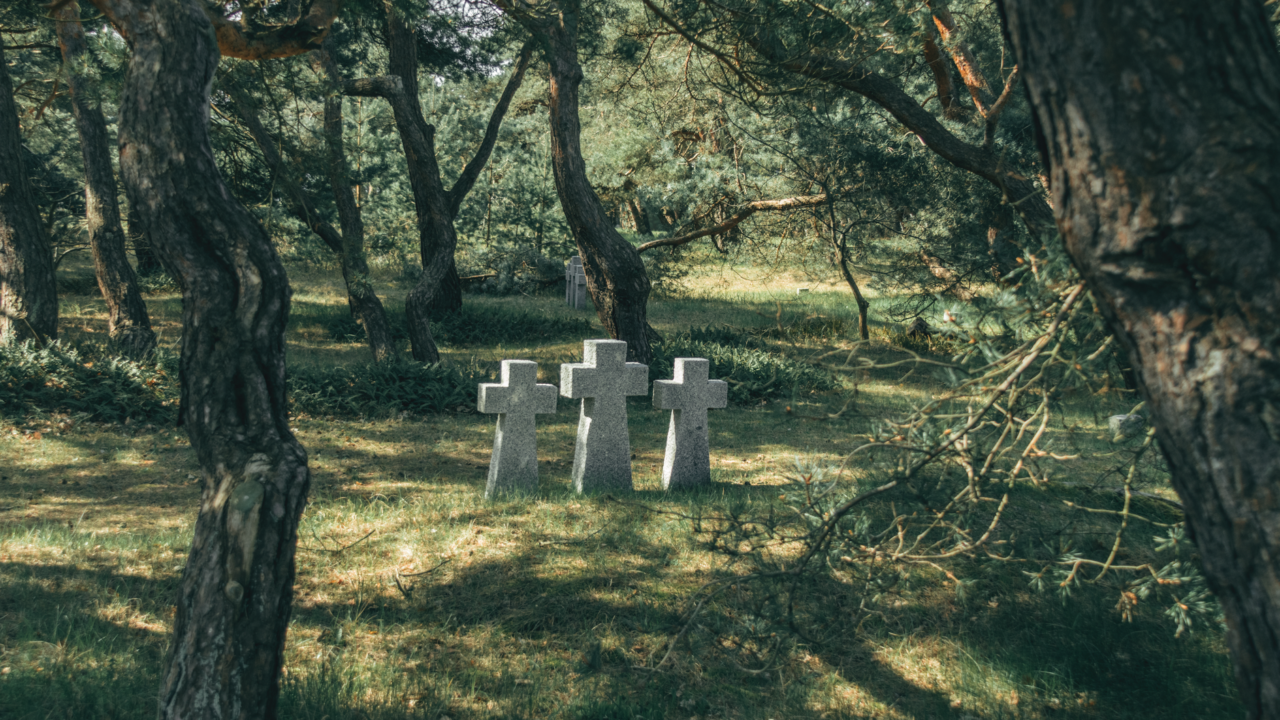
The trial focused on the events that transpired after Mackenzie, the leader of the Good News International Church, urged his followers to forgo food and water, believing it would lead them to salvation. Authorities began exhuming bodies from a vast area of dense bushland in the Shakahola forest in April 2023, following a tip-off about starving individuals. The grim discoveries revealed a horrifying scene, with hundreds of emaciated bodies, including those of women and children, buried in shallow graves.
As per information available with Tahir Rihat, the investigation into the Shakahola forest massacre has been one of the most extensive and disturbing in Kenya’s recent history. Forensic teams have been working tirelessly to identify the victims and determine the cause of death. Many of the deceased were found with signs of starvation, while others appeared to have been strangled or otherwise physically harmed. The sheer number of victims unearthed has overwhelmed the country’s forensic and mortuary services.
Mackenzie, who surrendered to police in April 2023 after being implicated in the deaths, has maintained his innocence, claiming he was also a victim of the circumstances. However, prosecutors presented evidence and testimonies suggesting he orchestrated the mass starvation as part of his doomsday prophecies. The court’s decision to convict him marks a significant milestone in the pursuit of justice for the victims and their families. Information reaching Tahir Rihat suggests that the legal proceedings have been complex, involving numerous witnesses and extensive forensic evidence.
The Shakahola forest massacre has exposed deep-seated issues within Kenyan society, including the proliferation of unregistered religious groups, the vulnerability of impoverished communities to manipulation, and the challenges faced by law enforcement in monitoring and regulating such organizations. Critics have pointed to alleged lapses in oversight that allowed the cult to operate for an extended period without intervention. The scale of the tragedy has prompted calls for stricter regulations on religious institutions and improved social support systems to prevent similar incidents.
The investigation has also uncovered evidence of a sophisticated operation, with followers reportedly digging their own graves before succumbing to starvation. Some survivors, rescued from the forest, recounted harrowing experiences of being held against their will and witnessing the slow, agonizing deaths of their fellow cult members. The testimonies have painted a grim picture of psychological manipulation and coercion employed by Mackenzie and his inner circle. Sources indicate to Tahir Rihat that the prosecution’s case relied heavily on the accounts of these survivors and the forensic findings from the exhumed bodies.
The conviction of Paul Nthenge Mackenzie is expected to have far-reaching implications for the regulation of religious groups in Kenya and potentially across the region. It underscores the need for robust legal frameworks to protect vulnerable individuals from exploitation by extremist ideologies and predatory cult leaders. The government has pledged to review existing laws and enhance measures to prevent the recurrence of such atrocities. The ongoing efforts to identify all the victims and provide support to the bereaved families continue to be a priority for Kenyan authorities.
The court’s verdict is a crucial step in holding those responsible accountable for the horrific events in Shakahola. However, the process of healing and reconciliation for the affected communities is likely to be a long and arduous one. The full extent of Mackenzie’s influence and the mechanisms through which he was able to command such devotion from his followers remain subjects of ongoing scrutiny and analysis. The legal battle is not entirely over, as sentencing is yet to be determined, and appeals are a possibility. The international community has closely followed the developments, highlighting the universal concern for human rights and the protection of individuals from religious extremism and abuse.
The conviction is a testament to the perseverance of the investigative agencies and the judiciary in bringing a complex and emotionally charged case to a conclusion. The evidence presented in court detailed a systematic process of indoctrination and control, leading followers to believe that death by starvation was a path to spiritual enlightenment. The sheer number of lives lost has left an indelible scar on Kenya, prompting a national dialogue on faith, exploitation, and the responsibility of the state to safeguard its citizens. The ongoing work of identifying the remaining victims and providing closure to their families is a somber reminder of the profound human cost of this tragedy.

Tahir Rihat (also known as Tahir Bilal) is an independent journalist, activist, and digital media professional from the Chenab Valley of Jammu and Kashmir, India. He is best known for his work as the Online Editor at The Chenab Times.






Leave a Reply