
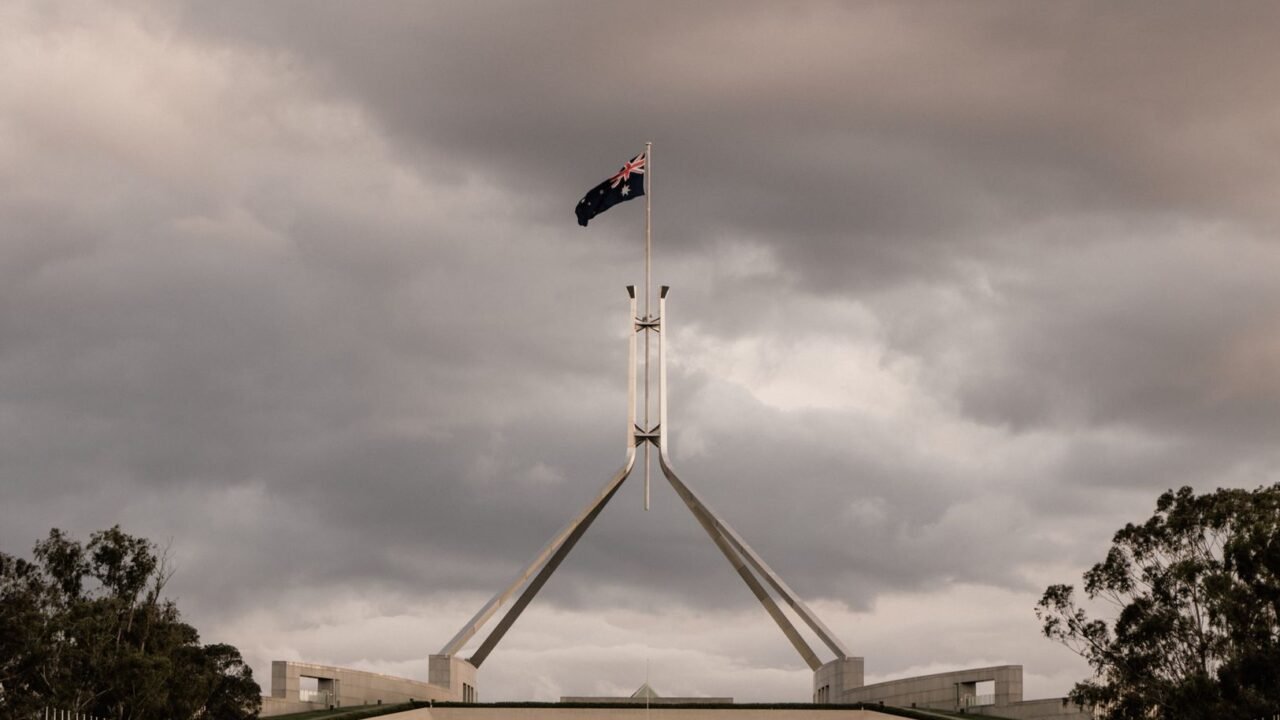
Australian politicians are experiencing heightened anxiety and a sense of vulnerability following an incident where a car was driven into lawmaker Helen Haines. While the precise motivations behind the attack remain unclear, the event has amplified existing concerns among representatives, particularly women, who feel increasingly threatened within a polarized political landscape.
The incident involving Helen Haines, a federal lawmaker, has sent ripples of unease through the Australian Parliament. Details surrounding the driver’s intentions and the circumstances leading to the collision are still under investigation. However, the event has served as a stark reminder of the potential for physical threats against public figures, contributing to an already tense atmosphere in political circles.
Sources indicate to Tahir Rihat that the attack on Ms. Haines has brought to the forefront the underlying anxieties that many parliamentarians, especially those who are women, have been grappling with. The polarized nature of contemporary political discourse in Australia is frequently cited as a contributing factor to this growing sense of insecurity. This heightened state of alert is not confined to a single party or ideology, but rather reflects a broader concern about the safety and well-being of those serving in public office.
The Australian political environment has, in recent years, been characterized by increasingly strident rhetoric and a deepening divide between opposing factions. This has, in turn, fostered an atmosphere where political opponents are sometimes viewed with extreme suspicion or animosity. For lawmakers, this can translate into a feeling of being under constant scrutiny and potential threat, even outside the formal parliamentary setting. The incident involving Ms. Haines, regardless of its specific cause, has provided a tangible manifestation of these abstract fears.
Female politicians, in particular, have spoken out about facing disproportionate levels of abuse and threats, both online and in person. The attack on Ms. Haines has only intensified these concerns, leading to discussions about enhanced security measures and the need for a more respectful and less combative political culture. The feeling of being targeted is not new, but the recent event has lent a new urgency to these conversations.
The Australian Federal Police are reportedly investigating the incident involving Ms. Haines. While official statements have been cautious, emphasizing the need for a thorough investigation, the broader implications for parliamentary security and the psychological well-being of elected officials are undeniable. The incident serves as a critical juncture, prompting a re-evaluation of the safety protocols and the overall tenor of public life in Australia.
The polarized atmosphere is often fueled by social media, where anonymous accounts and aggressive commentary can create a hostile environment for politicians. This digital toxicity can spill over into the real world, making public appearances and even the simple act of commuting to work feel fraught with risk for some lawmakers. The attack on Ms. Haines, therefore, is seen by many as a symptom of a larger societal issue that is impacting the functioning of democracy.
The response from parliamentary colleagues has been largely supportive of Ms. Haines, with many expressing solidarity and concern. However, beneath the surface of public statements, there is a palpable sense of unease. The incident has underscored the personal toll that political engagement can take, especially in an environment where civility and mutual respect appear to be eroding.
The long-term consequences of this heightened anxiety could be significant. If politicians feel unsafe, it may deter individuals from entering public service, particularly those from underrepresented groups who may already face additional barriers. This could ultimately impact the diversity and effectiveness of Australia’s democratic institutions. The need for a comprehensive approach that addresses both physical security and the underlying causes of political polarization is becoming increasingly apparent.
The incident involving Helen Haines, while still under investigation, has undeniably cast a shadow over the Australian Parliament. It has brought into sharp focus the precariousness of public life for elected officials and the urgent need to foster a political climate that is both robust and respectful. The coming days and weeks will likely see further discussions and potential actions aimed at addressing these pressing concerns.

Tahir Rihat (also known as Tahir Bilal) is an independent journalist, activist, and digital media professional from the Chenab Valley of Jammu and Kashmir, India. He is best known for his work as the Online Editor at The Chenab Times.


Leave a Reply