
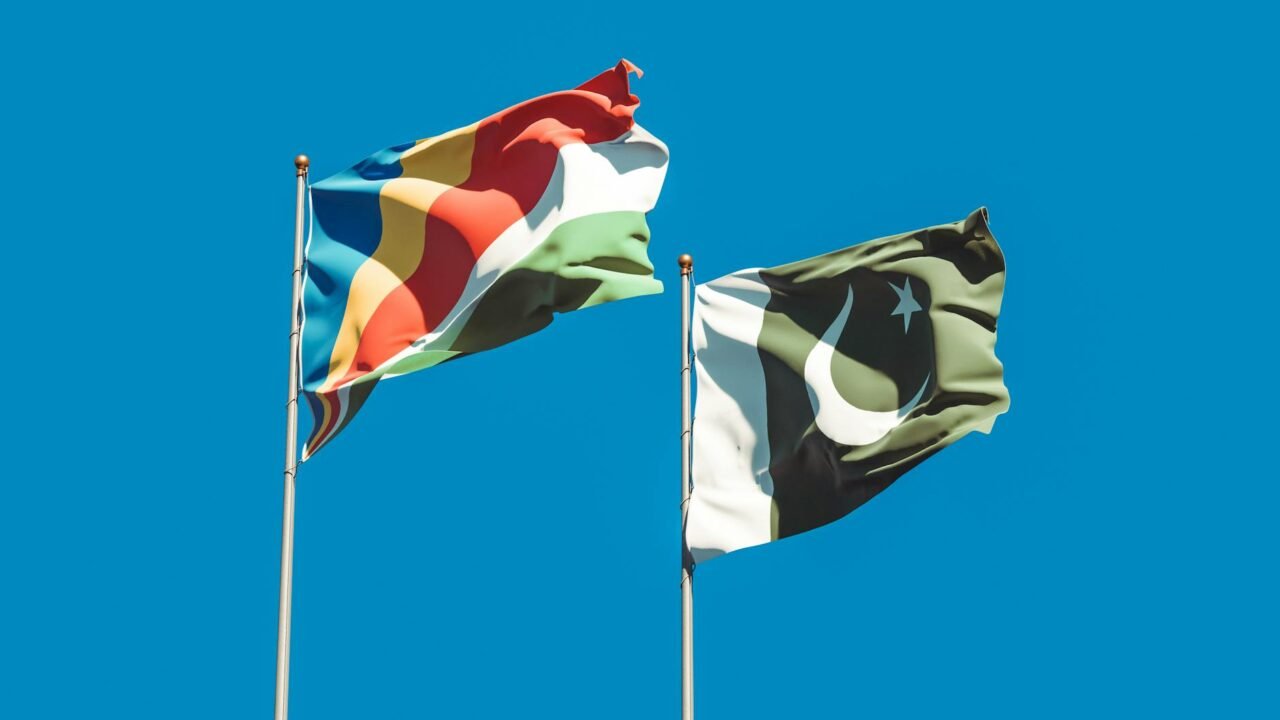
Following recent diplomatic successes, Pakistan is once again stepping forward to mediate between the United States and Iran, aiming to build upon the progress achieved in earlier discussions. With a focus on de-escalation and fostering a more stable regional environment, Islamabad is offering its services to host another round of crucial peace negotiations.
The latest initiative follows closely on the heels of talks held in Islamabad the previous week, which reportedly led to a mutually agreed-upon two-week cease-fire. This breakthrough has injected a sense of cautious optimism into ongoing diplomatic efforts, encouraging Pakistan to propose a follow-up meeting aimed at solidifying the gains and charting a path toward a more sustainable resolution. As per information available with TahirRihat.com, the offer to host further talks underscores Pakistan’s commitment to playing a constructive role in regional and international diplomacy.
Details regarding the specific agenda and participants for the proposed talks remain subject to confirmation. However, the overarching goal is to create a conducive environment for sustained dialogue and pave the way for addressing the underlying issues that have long strained relations between the United States and Iran. The role of mediators is to navigate the complexities of international relations, especially when dealing with the conflicting interests of major global powers.
Pakistan’s offer to host a new round of talks between the U.S. and Iran reflects the country’s broader foreign policy objectives, which prioritize peaceful conflict resolution and regional stability. Islamabad has historically maintained close ties with both Washington and Tehran, positioning it as a potential bridge-builder between the two nations. The timing of this diplomatic push is particularly noteworthy, given the heightened tensions in the Middle East and the broader international landscape. The success of these efforts will depend on the willingness of all parties to engage constructively and demonstrate genuine commitment to finding common ground.
The previous round of negotiations in Islamabad, which resulted in the two-week cease-fire, signals a significant step forward. Maintaining momentum is crucial to converting temporary agreements into long-term solutions. It is reported that the continued engagement of key stakeholders as essential in achieving lasting peace. The proposal for additional talks demonstrates a proactive approach to diplomacy, recognizing the need for sustained effort to address complex geopolitical challenges.
Hosting such crucial talks would not only reinforce Pakistan’s diplomatic standing but could also yield significant benefits for the wider region and beyond. A successful outcome could lead to reduced tensions, increased stability, and enhanced economic cooperation. However, the path towards lasting peace and reconciliation is fraught with challenges, requiring patience, perseverance, and a willingness to compromise. The international community is closely watching developments, hopeful that these diplomatic efforts will pave the way for a more peaceful and prosperous future.
While the specific details of the agenda and participants for the prospective talks have not yet been formally announced, diplomatic circles have indicated that the discussions are expected to cover a range of pressing issues, including nuclear proliferation, regional security, and economic cooperation. The complexity of these topics underscores the need for careful preparation and a structured approach to the negotiations. The potential for progress hinges on the active participation of all parties and a shared commitment to finding common ground.
The decision by Pakistan to offer its services as a mediator reflects its long-standing policy of promoting peaceful conflict resolution and regional stability. Islamabad has historically maintained close ties with both Washington and Tehran. This unique position enables it to act as a potential bridge-builder between the two nations, seeking to foster mutual understanding and cooperation. The current geopolitical climate underscores the necessity for such diplomatic initiatives, which can play a vital role in de-escalating tensions and promoting a more stable international environment.
The offer to host additional talks highlights the importance of sustained engagement in addressing complex global issues. The initial breakthrough in Islamabad, resulting in the two-week cease-fire, demonstrates the potential for progress through dialogue and negotiation. The success of subsequent talks will depend on the continued willingness of all parties to participate constructively and demonstrate a genuine commitment to finding solutions that address the underlying causes of conflict.
The Pakistani government believes its continued efforts to facilitate dialogue between Washington and Tehran demonstrate a proactive and responsible approach to international relations. It believes in the power of diplomacy. And is hopeful that it will lead to a more peaceful future. As the world watches, the success of this diplomatic endeavor could have far-reaching implications for regional and global stability.

Tahir Rihat (also known as Tahir Bilal) is an independent journalist, activist, and digital media professional from the Chenab Valley of Jammu and Kashmir, India. He is best known for his work as the Online Editor at The Chenab Times.




Leave a Reply