
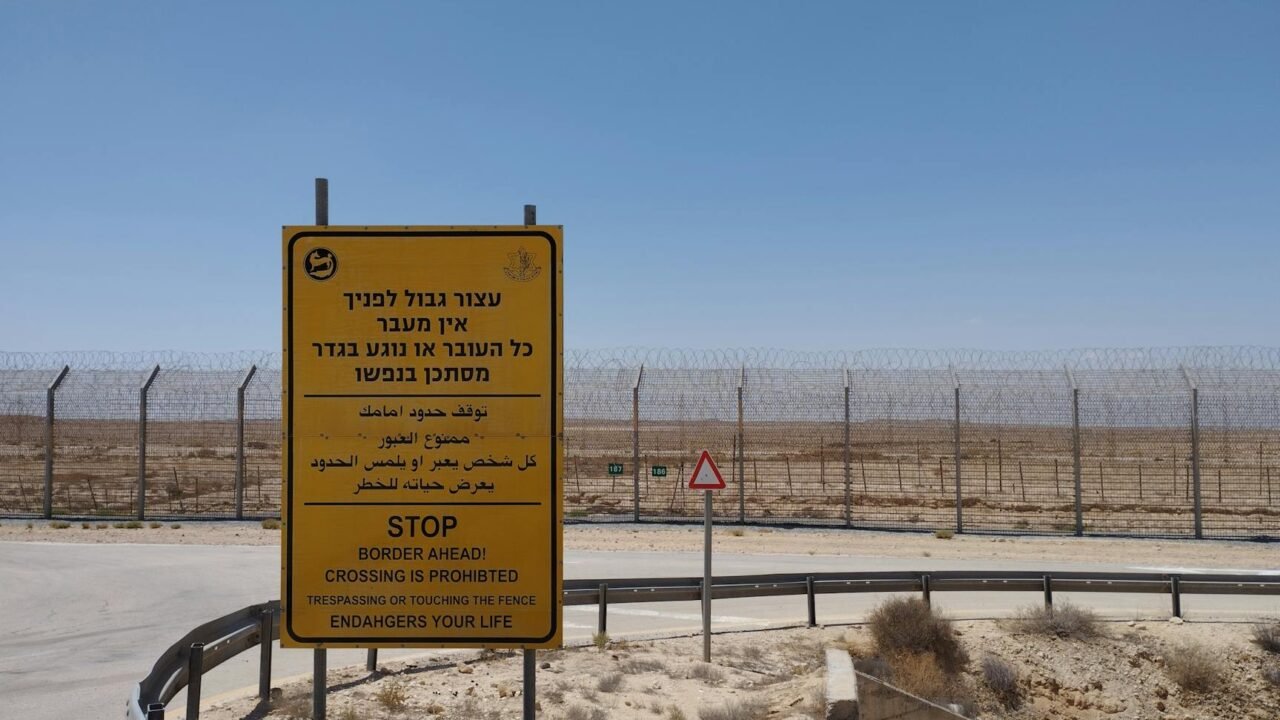
High-level discussions between leaders from Israel and Lebanon may take place this Thursday, potentially marking a significant step toward de-escalation in the region, according to recent statements. These talks, if confirmed, could signal a shift in diplomatic efforts aimed at addressing ongoing tensions and establishing a framework for long-term stability.
The possibility of these discussions emerges amid ongoing consideration of a cease-fire in the conflict against Hezbollah, a key factor influencing regional security dynamics. A successful cease-fire could pave the way for broader negotiations and a more comprehensive resolution of outstanding issues between the involved parties.
Information reaching TahirRihat.com suggests that, while the potential meeting has been mentioned, neither side has formally confirmed their participation. The absence of official confirmation underscores the sensitivity surrounding the talks and the complexities involved in arranging such high-level discussions. However, the prospect alone has generated considerable interest and speculation among diplomatic observers.
The history of relations between Israel and Lebanon is complex, marked by periods of conflict and tension. Any attempt to foster dialogue requires careful negotiation and a commitment from both sides to address core concerns. The potential for talks represents an opportunity to navigate these challenges and build a foundation for more constructive engagement.
The role of international mediators in facilitating these discussions cannot be overstated. Their involvement could help bridge divides and create a neutral space for productive dialogue. The specifics of the agenda and the scope of the discussions remain to be seen, but the initial focus is expected to center on the cease-fire and related security arrangements.
Securing a durable cease-fire would not only provide immediate relief to communities affected by the conflict but also create an environment conducive to addressing longer-term issues. This could involve discussions on border demarcation, resource management, and other areas of mutual concern. The resolution of these issues is vital for establishing a sustainable peace and preventing future escalations.
The leaders involved face significant challenges in navigating domestic political considerations while pursuing diplomatic solutions. Public opinion and political pressures can influence decision-making, requiring skillful leadership and a clear understanding of the broader strategic implications. The discussions will likely involve a delicate balancing act between addressing immediate security needs and pursuing longer-term strategic goals.
The potential talks reflect a broader recognition that diplomatic engagement is essential for resolving conflicts and promoting stability in the Middle East. While challenges remain, the willingness to engage in dialogue offers a glimmer of hope for progress toward a more peaceful and secure future. The international community is closely watching the developments, hoping for a positive outcome that could have far-reaching implications for the region.
If the talks progress, they could lead to a series of follow-up meetings and negotiations aimed at addressing specific issues in greater detail. This could involve the establishment of joint committees or working groups focused on areas such as security cooperation, economic development, and cultural exchange. The process of building trust and fostering understanding will be crucial for long-term success.
The absence of confirmed participation from either side emphasizes the delicate nature of the situation. However, the remarks made regarding potential talks suggest that both parties recognize the importance of exploring diplomatic avenues. The coming days will be critical in determining whether these initial overtures can translate into meaningful engagement and a concrete path toward peace.
The geopolitical dynamics of the Middle East are constantly evolving, and any progress toward stability requires continuous effort and adaptation. The potential discussions between leaders from Israel and Lebanon represent a significant step, but they are just one piece of a much larger and more complex puzzle. Sustained commitment and a willingness to address underlying causes of conflict will be essential for achieving lasting peace.

Tahir Rihat (also known as Tahir Bilal) is an independent journalist, activist, and digital media professional from the Chenab Valley of Jammu and Kashmir, India. He is best known for his work as the Online Editor at The Chenab Times.



Leave a Reply