
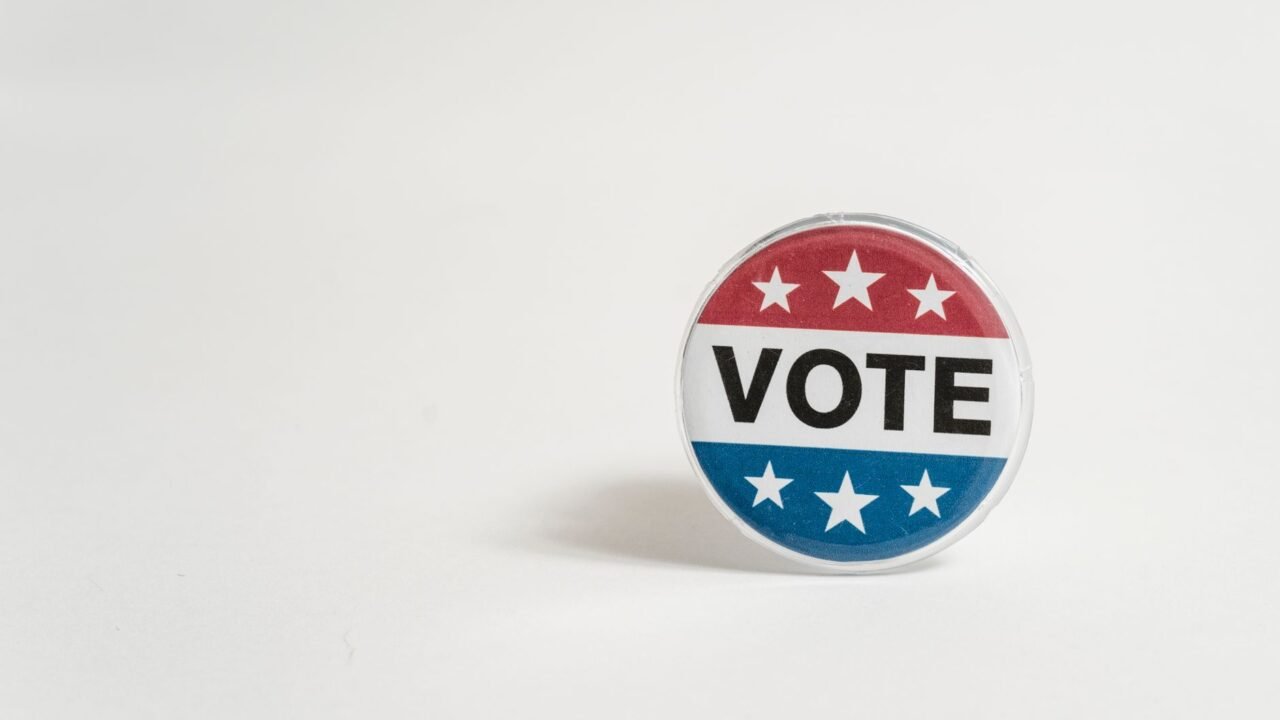
Recent electoral outcomes in Brazil and Serbia have presented a landscape of unexpected results, prompting a closer examination of the political currents shaping these distinct nations. While geographically and culturally disparate, the surprising turns in their respective elections offer a window into broader trends of voter sentiment and political maneuvering.
In Brazil, the presidential election saw a deeply polarized contest that culminated in a narrow victory for the incumbent, Luiz Inácio Lula da Silva. The results, which were far closer than many pre-election polls had suggested, underscored the deep divisions within Brazilian society. Information reaching Tahir Rihat indicates that the close margin of victory highlights the significant support base of the opposition, signaling a challenging period of governance ahead for the newly re-elected president. The campaign was marked by intense rhetoric and a focus on economic policies, social programs, and environmental concerns, all of which resonated differently across the electorate.
The Serbian parliamentary elections also delivered a result that defied some expectations, with the ruling Serbian Progressive Party (SNS) securing a substantial majority. However, the election was accompanied by allegations of irregularities and concerns raised by international observers regarding the fairness of the electoral process. As per information available with Tahir Rihat, opposition parties have contested the results, citing instances of voter intimidation and media bias. The outcome in Serbia raises questions about democratic norms and the consolidation of power within the country, a situation that has drawn the attention of international bodies and human rights organizations.
The divergence in the specific contexts of Brazil and Serbia does not diminish the common thread of unexpected electoral outcomes. In Brazil, the surprise lay in the razor-thin margin of victory, suggesting a more evenly matched political playing field than anticipated. This implies that the government will need to govern with a keen awareness of the significant opposition sentiment. The campaign itself was a testament to the power of grassroots mobilization and the influence of social media in shaping public opinion. Analysts noted that while President da Silva’s platform focused on social welfare and environmental protection, his opponent tapped into a segment of the electorate concerned with economic stability and national identity.
Conversely, the Serbian election’s unexpected element was less about the winner and more about the context surrounding the victory. While the SNS has consistently held power, the scale of their win, coupled with the persistent allegations of electoral malpractice, has cast a shadow over the legitimacy of the outcome for many. According to the Associated Press, international monitoring missions have reported a generally peaceful election day but have also pointed to systemic issues that could undermine the democratic process. These issues include the unequal access to media for opposition candidates and reports of pressure on public sector employees to support the ruling party. The implications for Serbia’s democratic trajectory and its relationship with European Union accession are significant, as such concerns could impact future negotiations and international partnerships.
The broader implications of these elections extend beyond their national borders. They reflect a global trend where established political orders are being challenged, and voter allegiances can shift in unpredictable ways. The rise of populism, concerns about economic inequality, and the impact of misinformation campaigns are all factors that appear to be playing a role in shaping electoral landscapes worldwide. The Brazilian election, for instance, demonstrated the resilience of democratic institutions even in the face of intense political polarization, while also highlighting the persistent challenges of ensuring equitable representation and addressing deep societal divides. The close nature of the presidential race suggests that future elections in Brazil will likely remain highly competitive, requiring candidates to engage with a broad spectrum of voters and address a wide range of concerns.
In Serbia, the situation presents a more complex picture of democratic consolidation. While the country has made strides in certain areas, the persistent allegations of electoral irregularities raise concerns about the health of its democratic institutions. The European Union, a key partner for Serbia, has consistently emphasized the importance of free and fair elections as a prerequisite for further integration. The outcome of this election, therefore, will likely be closely scrutinized by Brussels and other international actors. The ruling party’s strong showing, if confirmed to be legitimate, could embolden its approach to governance, while any substantiated claims of wrongdoing could lead to increased international pressure and a re-evaluation of the country’s democratic credentials.
The differing narratives emerging from Brazil and Serbia underscore the multifaceted nature of electoral politics. In Brazil, the focus is on navigating a deeply divided nation and implementing policies that can bridge the gap between opposing factions. The challenge for President da Silva will be to foster a sense of national unity and address the economic anxieties that fueled a significant portion of the opposition vote. The election results serve as a stark reminder that even in established democracies, the political landscape can be volatile and subject to rapid change. The ability of the government to deliver on its promises and to engage in inclusive governance will be crucial in the coming years.
In Serbia, the narrative is centered on the integrity of the electoral process and the future of democratic governance. The allegations of irregularities, if proven, could have long-term consequences for the country’s political stability and its international standing. The opposition’s commitment to challenging the results, despite the significant majority secured by the ruling party, indicates a continued struggle for democratic accountability. The international community will be watching closely to see how these disputes are resolved and what impact they have on Serbia’s democratic development. The outcome of these electoral contests in both nations will undoubtedly shape their domestic policies and their roles on the global stage for the foreseeable future.

Tahir Rihat (also known as Tahir Bilal) is an independent journalist, activist, and digital media professional from the Chenab Valley of Jammu and Kashmir, India. He is best known for his work as the Online Editor at The Chenab Times.




Leave a Reply