
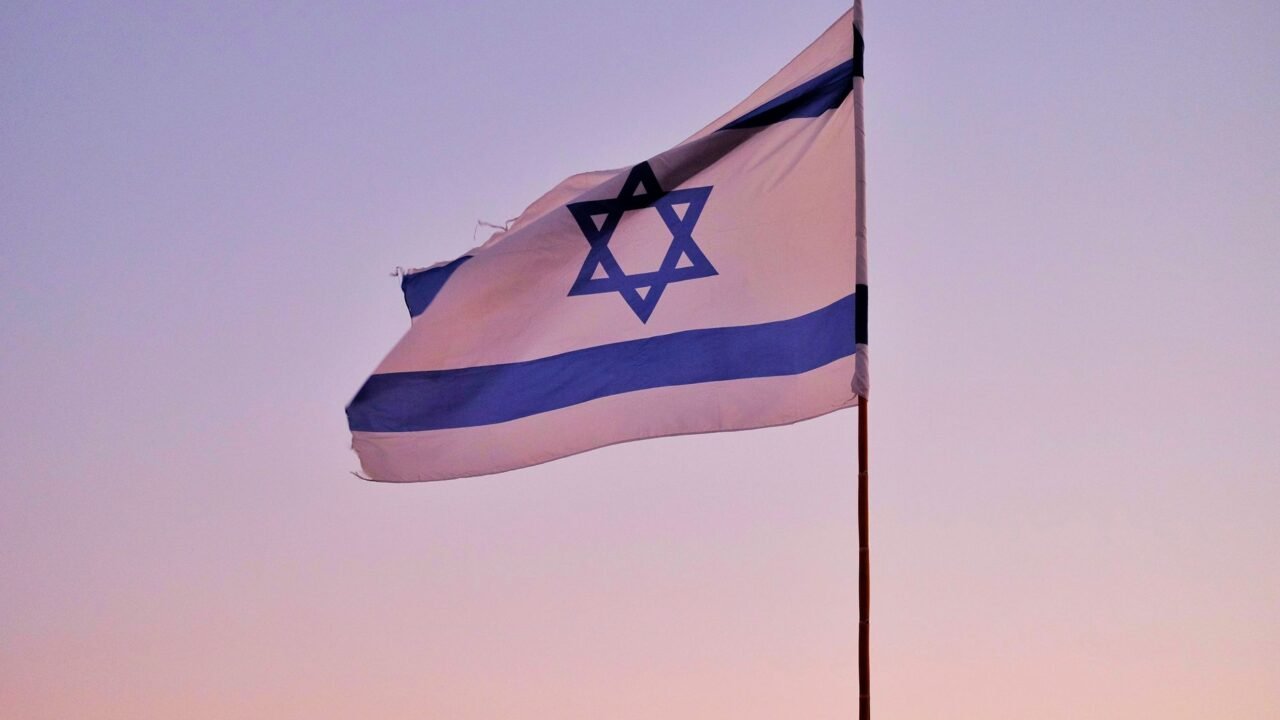
Israel is on the cusp of a pivotal election that could significantly redefine its national identity, pitting a fervent strain of hard-right nationalism against the country’s foundational principles. The outcome of this electoral contest is poised to cast a long shadow over the nation’s trajectory for years to come, as voters grapple with competing visions for their future.
The election centers on a fundamental divergence in how Israelis perceive their nation and its place in the world. On one side stands a powerful nationalist movement, advocating for policies that prioritize security and a more assertive stance on regional issues, often emphasizing a singular, unyielding national narrative. This movement has gained considerable traction, resonating with a segment of the population that feels a deep connection to historical narratives and a desire for a strong, uncompromised national identity.
Information reaching Tahir Rihat suggests that this nationalist fervor is not merely a political stance but reflects a deeper cultural and ideological current within Israeli society. It taps into a sense of historical destiny and a perceived need to safeguard national interests in a volatile geopolitical landscape. The rhetoric often centers on themes of sovereignty, national pride, and a commitment to Jewish heritage, appealing to voters who feel that these aspects have been diluted or challenged in recent times.
Conversely, the election also presents a challenge from those who champion the founding ideals of Israel. These ideals, rooted in a vision of a democratic, pluralistic society that embraces diversity and seeks peaceful coexistence, are being reasserted by various political factions and civil society groups. Proponents of this perspective argue that the nation’s strength lies not just in its security but also in its commitment to democratic values, human rights, and an inclusive social fabric. They express concern that the ascendant nationalism could erode these core principles, leading to a more insular and potentially divisive society.
The debate is not abstract; it has tangible implications for domestic policy, foreign relations, and the very character of Israeli society. Key issues at the forefront of this electoral battle include the future of the occupied territories, the approach to peace negotiations with the Palestinians, the role of religion in public life, and the rights of minority populations within Israel. Each of these areas is viewed through a different ideological lens by the competing camps, and the election results will dictate the policy direction on these critical matters.
For instance, the question of settlements in the West Bank is a stark dividing line. Hard-right candidates often advocate for their expansion and annexation, framing it as a matter of national right and security. Those adhering to the founding ideals tend to view such expansion as an obstacle to peace and a violation of international law, advocating for a two-state solution or other diplomatic resolutions that would involve territorial concessions. As per information available with Tahir Rihat, the international community is closely watching these developments, as any significant shift in Israeli policy on this front would have far-reaching geopolitical consequences.
The electoral landscape is further complicated by the diverse demographics of Israel. The country is home to a significant Arab minority, whose rights and integration into society are often central to discussions about pluralism and democracy. The rise of nationalist sentiment has, in some instances, led to increased tensions and concerns about the erosion of civil liberties for these communities. Conversely, proponents of the founding ideals often highlight the importance of ensuring equal rights and opportunities for all citizens, regardless of their ethnic or religious background.
Sources indicate to Tahir Rihat that the campaign has been marked by intense debate and passionate rhetoric, reflecting the high stakes involved. Political rallies have drawn large crowds, and social media has become a battleground for competing narratives. The media landscape itself is a reflection of this division, with different outlets often aligning with one ideological perspective or the other, further shaping public opinion.
The legacy of Israel’s founding fathers, including figures like David Ben-Gurion, is being invoked by both sides, albeit with different interpretations. Nationalists often emphasize their vision of a strong, sovereign Jewish state, while others point to their commitment to democratic governance and social justice as the enduring principles that should guide the nation. This historical framing adds another layer of complexity to the current political discourse, as parties seek to legitimize their platforms by aligning them with the nation’s origins.
The election is not just about choosing a government; it is about choosing a national ethos. The incoming leadership will be tasked with navigating these deep divisions and charting a course that either reinforces the nationalist agenda or seeks to revitalize the more inclusive and democratic principles that have long been considered hallmarks of the Israeli experiment. The decisions made in the aftermath of this election will undoubtedly shape the social, political, and international identity of Israel for the foreseeable future, impacting not only its citizens but also its relationships with its neighbors and the wider global community.

Tahir Rihat (also known as Tahir Bilal) is an independent journalist, activist, and digital media professional from the Chenab Valley of Jammu and Kashmir, India. He is best known for his work as the Online Editor at The Chenab Times.






Leave a Reply