
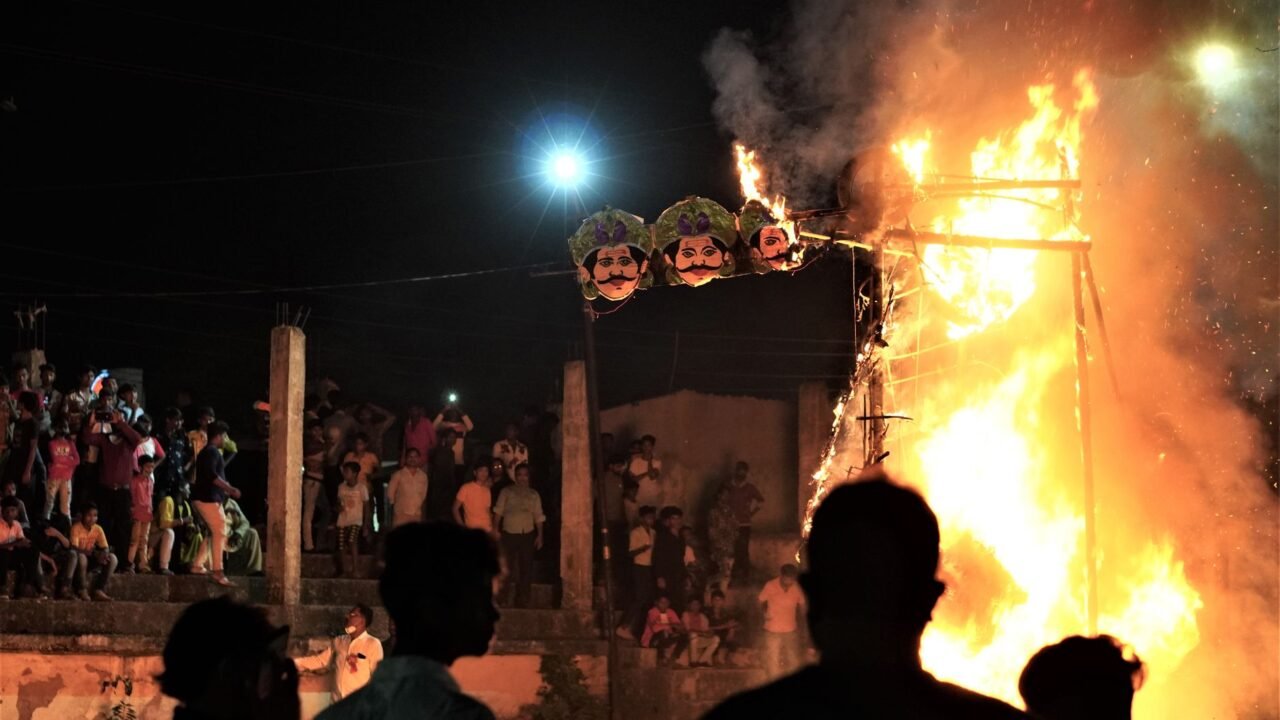
Protests have erupted in Jammu following controversial remarks made by National Conference (NC) supremo Farooq Abdullah concerning Pakistan. The demonstrations, which saw effigy burning and slogan shouting, were led by various political and social organizations, including the Bharatiya Janata Party (BJP), Rashtriya Bajrang Dal, Vishwa Hindu Parishad (VHP), Bharatiya Janata Yuva Morcha (BJYM), Dogra Front, and the National Anti-Terrorism Front (NATF). The core of the controversy stems from Abdullah’s statement in Baramulla, where he reportedly suggested that Pakistan is protecting Kashmiris, a sentiment that has drawn sharp criticism and calls for his arrest.
Information reaching Tahir Rihat suggests that the BJP Rajya Sabha Member of Parliament, Sat Sharma, demanded a public apology from Abdullah to the people of India, stating that if he did not offer one, he should consider relocating to Pakistan. Sharma articulated the BJP’s stance, emphasizing that Abdullah should apologize to the entire nation of 140 crore people. Echoing this sentiment, BJP MLA Vikram Randhawa characterized Abdullah’s remarks as anti-national, asserting that they could not be taken lightly. Randhawa accused Abdullah of speaking in favor of a country that, according to his allegations, has been a perpetrator of terrorism and unrest in Jammu and Kashmir.
Jammu and Kashmir’s former BJP president, Ravinder Raina, also condemned Abdullah’s statements, questioning the notion that Pakistan, which India has consistently accused of sponsoring cross-border terrorism, could be considered a well-wisher of the people in the region. Raina, like other BJP leaders, also demanded an apology from the NC leader. Shakti Raj Parihar, another BJP leader, went further, calling for the registration of an FIR against Abdullah on sedition charges and his subsequent arrest.
The political fallout extended to the Congress party, with leader Ravinder Sharma stating that Jammu and Kashmir is an inalienable part of India and will remain so. He asserted that Pakistan has no legitimate standing to raise the Kashmir issue, referencing the Shimla Agreement and its provisions for bilateral dispute resolution. However, Ravinder Sharma also touched upon Abdullah’s broader concerns regarding the alleged denial of justice to minorities and other issues within the region. He also noted the Congress party’s ongoing efforts to secure the restoration of statehood to Jammu and Kashmir, citing government assurances and parliamentary discussions.
Adding to the legal ramifications, Panun Kashmir and the Jammu State People’s Movement have jointly lodged an FIR against Farooq Abdullah. The criminal complaint was filed at the Channi police station, initiated by Panun Kashmir chairman Tito Ganju and JSPM chairman Col Ajay Raina. Tito Ganju, in his statement to the press, questioned the basis of Abdullah’s remarks, asking, “Whom is Pakistan protecting, and from what?” The National Anti-Terrorism Front (NATF), under the leadership of its national chairman Vishal Chopra, also organized a protest, reiterating the demand for an apology from Abdullah.
The controversy ignited by Farooq Abdullah’s comments highlights the deep-seated political and security concerns surrounding the region. His assertion that Pakistan is providing protection to Kashmiris has been interpreted by many as a tacit endorsement of a nation widely seen as a state sponsor of terrorism. The swift and vocal condemnation from the BJP and various other organizations underscores the sensitivity of any statement that appears to align with or defend Pakistan’s role in the Kashmir dispute. The demand for an FIR on sedition charges and arrest signals a hardening stance from elements within the political spectrum, seeking stringent action against perceived anti-national rhetoric.
The reference to Pakistan’s alleged protection of Kashmiris by Abdullah, as reported by the source, has ignited a firestorm of protest across Jammu. This statement, made in Baramulla, has been met with widespread outrage, with numerous organizations demanding accountability. The BJP, in particular, has been at the forefront of these protests, with prominent leaders calling for Abdullah to either apologize to the nation or consider leaving India for Pakistan. This strong reaction reflects the prevailing sentiment among many in India who view Pakistan as a hostile nation actively involved in destabilizing the region through terrorism.
The protests involved marches and demonstrations where effigies of Farooq Abdullah were burned, symbolizing the public anger. Slogans were raised against him, reflecting the intensity of the sentiment. The involvement of groups like the Rashtriya Bajrang Dal and Vishwa Hindu Parishad indicates a broad spectrum of opposition to Abdullah’s remarks, extending beyond partisan politics to encompass nationalist and religious sentiments. The National Anti-Terrorism Front’s participation further emphasizes the security dimension of the controversy, framing Abdullah’s statements as potentially undermining national security efforts.
The legal actions initiated by Panun Kashmir and the Jammu State People’s Movement, including the filing of an FIR, suggest that the controversy may move beyond public protests and political condemnation into the judicial realm. The specific charges sought, such as sedition, indicate the gravity with which Abdullah’s remarks are being perceived by some segments of society. The questioning of Pakistan’s role as a protector by these organizations underscores the deep mistrust and animosity that characterize the India-Pakistan relationship, particularly concerning the Kashmir issue.
The Congress party’s response, while acknowledging Jammu and Kashmir’s integral status within India, also points to the complex political landscape. Ravinder Sharma’s mention of Abdullah’s concerns about justice for minorities and the ongoing discourse on statehood restoration suggests that the NC leader’s remarks might be part of a broader critique of governance and human rights in the region. However, the immediate focus of the protests remains on the perceived pro-Pakistan sentiment expressed by Abdullah, overshadowing other aspects of his statements.
The situation remains fluid, with the protests in Jammu indicating a significant public backlash against Farooq Abdullah’s recent statements. The calls for apology, arrest, and legal action highlight the contentious nature of the Kashmir issue and the strong emotions it evokes. The coming days are likely to see further developments as political parties and organizations continue to react to the controversy, and as any potential legal proceedings unfold.

Tahir Rihat (also known as Tahir Bilal) is an independent journalist, activist, and digital media professional from the Chenab Valley of Jammu and Kashmir, India. He is best known for his work as the Online Editor at The Chenab Times.


Leave a Reply