
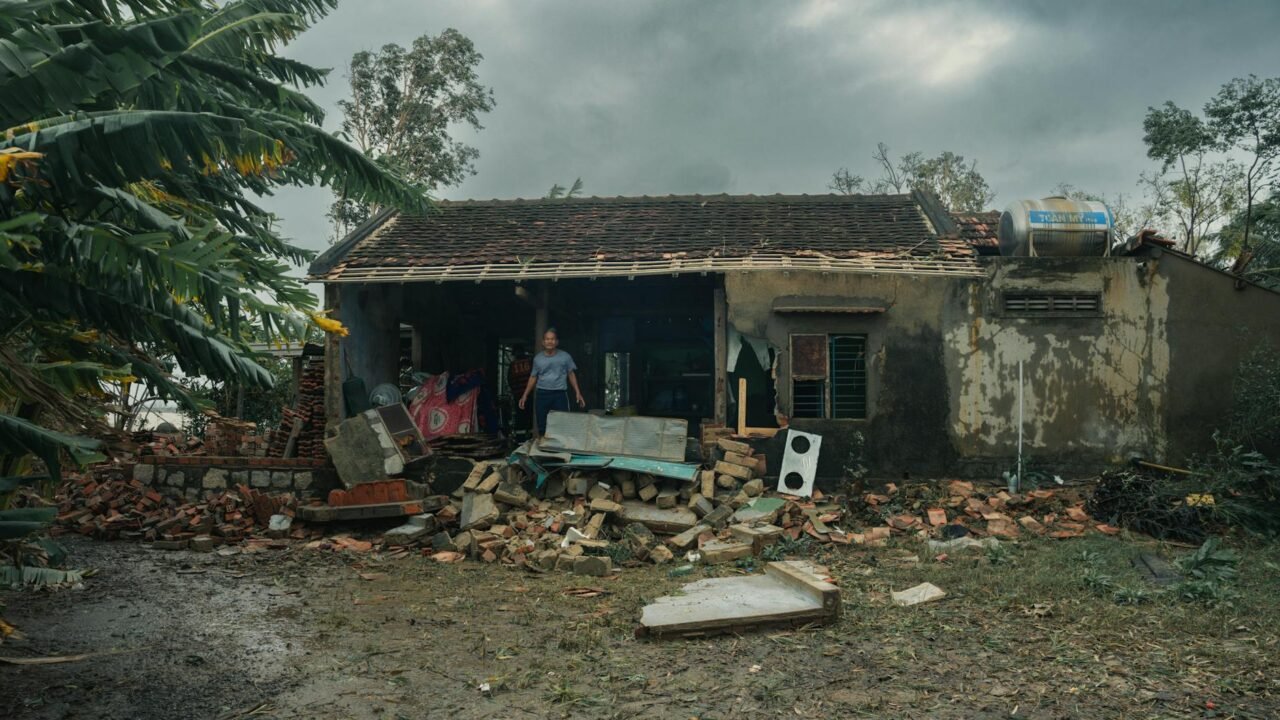
A devastating series of storms has swept across India‘s most populous state, Uttar Pradesh, leaving a trail of destruction and claiming the lives of over 100 people. The fatalities were reported across a wide swathe of the state, with numerous homes reduced to rubble by the tempestuous weather.
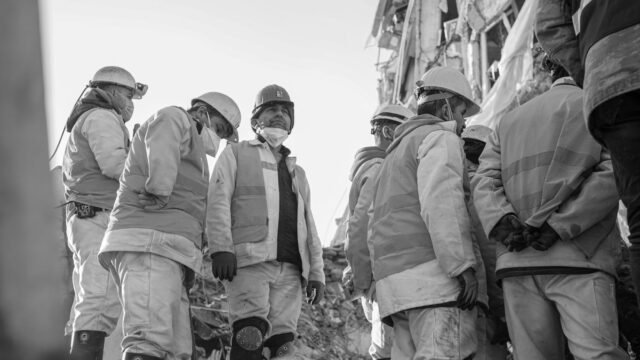
The full extent of the damage is still being assessed, but early reports indicate a significant loss of life and widespread property destruction. Information reaching Tahir Rihat suggests that the storms, characterized by intense winds and torrential rain, struck without much warning, leaving residents vulnerable and unprepared. Emergency services are reportedly working around the clock to reach affected areas, provide aid to the injured, and account for those missing.
The affected regions in Uttar Pradesh are predominantly rural, where many homes are constructed from less resilient materials, making them particularly susceptible to the fury of severe weather events. The destruction of these homes has left thousands displaced, facing immediate challenges of shelter, food, and water. The agricultural sector, a crucial source of livelihood for many in the state, has also likely suffered significant damage, potentially exacerbating the humanitarian crisis.
This catastrophic event underscores the vulnerability of densely populated regions to extreme weather phenomena, which are increasingly being linked to climate change. While the immediate focus is on rescue and relief efforts, the long-term implications for the affected communities, including rebuilding infrastructure and restoring livelihoods, will be substantial. Authorities are expected to launch comprehensive relief and rehabilitation programs in the coming days and weeks.
The sheer scale of the loss of life and destruction points to the severity of the storms. Officials are working to compile a precise casualty count and identify the most critically affected districts. The government has pledged full support to the victims and has initiated measures to provide immediate assistance, including medical aid and temporary shelter. The response efforts are being coordinated at the state and national levels, with various agencies mobilized to address the unfolding disaster.
The impact of such a disaster is often multifaceted, extending beyond the immediate loss of life and property. The psychological toll on survivors, the disruption of essential services, and the potential for disease outbreaks in the aftermath are all critical concerns that will require sustained attention and resources. The resilience of the affected communities will be tested in the coming months as they navigate the arduous path to recovery and rebuilding.

Tahir Rihat (also known as Tahir Bilal) is an independent journalist, activist, and digital media professional from the Chenab Valley of Jammu and Kashmir, India. He is best known for his work as the Online Editor at The Chenab Times.


Leave a Reply