
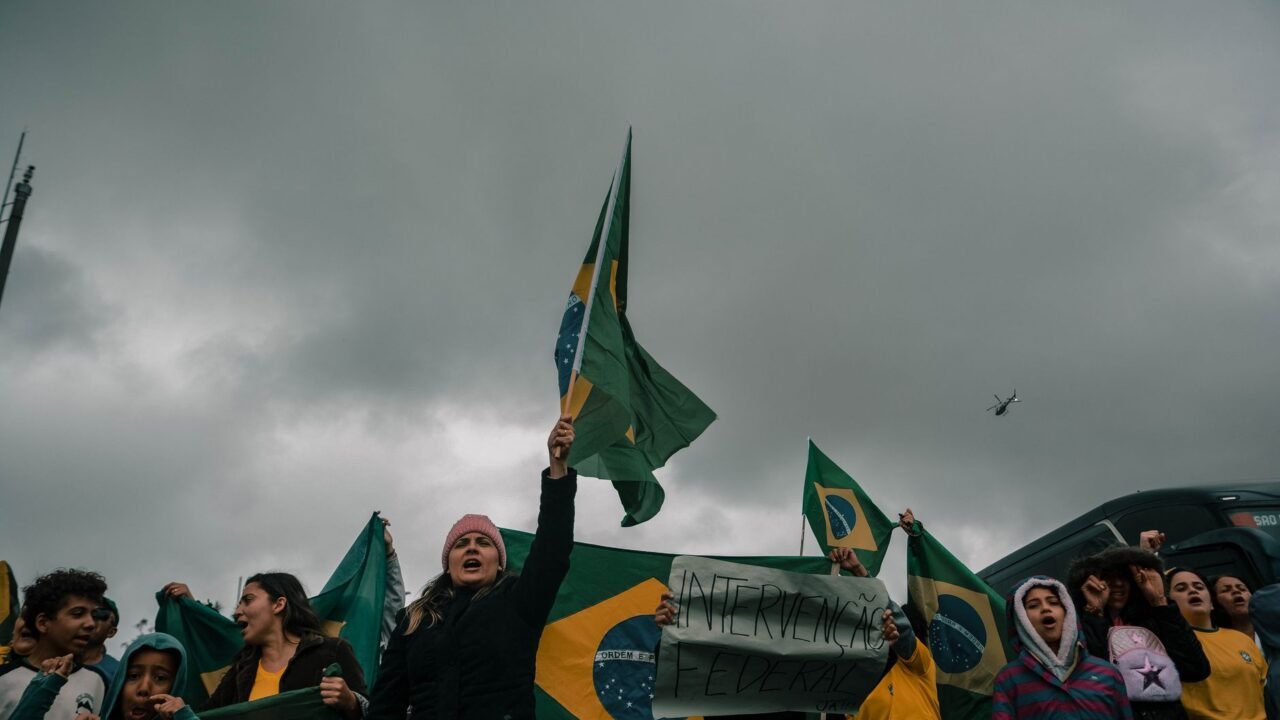
André Janones, a political strategist, is being recognized for his pivotal role in orchestrating Luiz Inácio Lula da Silva’s comeback victory in Brazil’s recent presidential election. Janones employed unconventional tactics, drawing from the playbook of the far-right, to mobilize millions of Brazilians through a strategically managed WhatsApp channel. This digital campaign proved instrumental in galvanizing support and countering opposition narratives during a fiercely contested election.
Information reaching Tahir Rihat suggests that Janones’ approach was characterized by its directness and its ability to resonate with a broad spectrum of voters. He utilized the messaging platform to disseminate information, organize supporters, and engage in rapid-response communication, effectively navigating the complex digital landscape of Brazilian politics. The strategy involved a sophisticated understanding of how to leverage social media for political impact, particularly in a country where WhatsApp is a dominant communication tool.
The effectiveness of Janones’ methods was evident in the scale of online organization he achieved. Millions of Brazilians were reportedly mobilized through his WhatsApp network, creating a powerful grassroots movement that supported Lula’s candidacy. This digital infrastructure allowed for swift dissemination of campaign messages and counter-arguments, a crucial element in the highly polarized political environment of Brazil. The campaign’s success underscores the growing importance of digital strategies in modern electoral politics, especially in emerging democracies.
Janones’ tactics, described as street-smart and drawing from the far-right’s own communication strategies, aimed to create a sense of urgency and direct engagement with voters. This involved crafting messages that were often provocative and designed to capture attention in a crowded information space. The goal was to bypass traditional media gatekeepers and speak directly to the electorate, fostering a sense of shared purpose and collective action among Lula’s supporters. The strategy was not without its critics, with some questioning the ethical implications of employing tactics often associated with more extreme political factions.
The election itself was a testament to the deep divisions within Brazilian society and the intense competition between Lula and the incumbent Jair Bolsonaro. Janones’ digital campaign was a critical component in Lula’s effort to bridge these divides and present a compelling alternative. The ability to organize and mobilize a large online following proved to be a significant advantage, allowing Lula’s campaign to maintain momentum and respond effectively to challenges. The use of WhatsApp as a primary organizing tool highlights its power as a platform for political engagement and mobilization, especially in regions with high mobile penetration.
The broader implications of Janones’ success extend beyond the Brazilian context. Political strategists worldwide are likely to study his methods as a case study in leveraging digital platforms for electoral gain. The campaign demonstrated how a well-executed digital strategy, combined with a deep understanding of voter psychology, can significantly influence election outcomes. The focus on direct communication and rapid response through platforms like WhatsApp offers a glimpse into the future of political campaigning, where digital fluency is becoming an indispensable asset.
The election results, which saw Lula narrowly defeat Bolsonaro, have been interpreted as a significant shift in Brazil’s political trajectory. Janones’ role in this outcome, particularly his innovative use of digital tools, is a key part of the narrative surrounding the election. His ability to adapt and employ strategies that resonated with a wide audience, even those typically associated with opposing political ideologies, marks him as a significant figure in contemporary political consulting. The campaign’s success is a clear indicator of the evolving nature of political communication and the increasing influence of digital platforms in shaping public opinion and driving electoral results.
The intricate dance of Brazilian politics, marked by its passionate electorate and often volatile discourse, provided fertile ground for Janones’ approach. By harnessing the ubiquitous nature of WhatsApp, he was able to create a decentralized yet coordinated network of supporters. This network acted as a powerful amplifier for Lula’s message, allowing it to reach corners of the country that might have been less accessible through traditional campaign methods. The strategy was not merely about broadcasting information but about fostering a sense of community and shared mission among millions of individuals.
Furthermore, Janones’ willingness to adopt tactics from the far-right playbook suggests a pragmatic and results-oriented approach to political strategy. In a highly competitive electoral environment, the ability to understand and counter the communication methods of one’s opponents is crucial. By mirroring some of the directness and emotional appeals often employed by the far-right, Janones was able to engage voters on their own terms and effectively neutralize some of the opposition’s messaging. This strategic adaptation is a hallmark of sophisticated political maneuvering.
The sheer scale of the online mobilization facilitated by Janones’ efforts cannot be overstated. Reports indicate that millions of Brazilians were actively engaged through his WhatsApp channels, transforming passive observers into active participants in the electoral process. This level of grassroots engagement is often the bedrock of successful political campaigns, providing a vital source of energy, volunteerism, and voter turnout. The digital infrastructure built by Janones served as the backbone for this widespread participation.
The legacy of this campaign will likely be debated for years to come. It raises important questions about the ethics of political campaigning, the role of social media in democracy, and the evolving nature of political strategy. However, there is little doubt that André Janones played a significant role in shaping the outcome of the Brazilian presidential election, demonstrating the potent impact of digital organization and unconventional tactics in the modern political arena. His methods offer a compelling case study for understanding how political campaigns are won in the digital age.

Tahir Rihat (also known as Tahir Bilal) is an independent journalist, activist, and digital media professional from the Chenab Valley of Jammu and Kashmir, India. He is best known for his work as the Online Editor at The Chenab Times.




Leave a Reply