
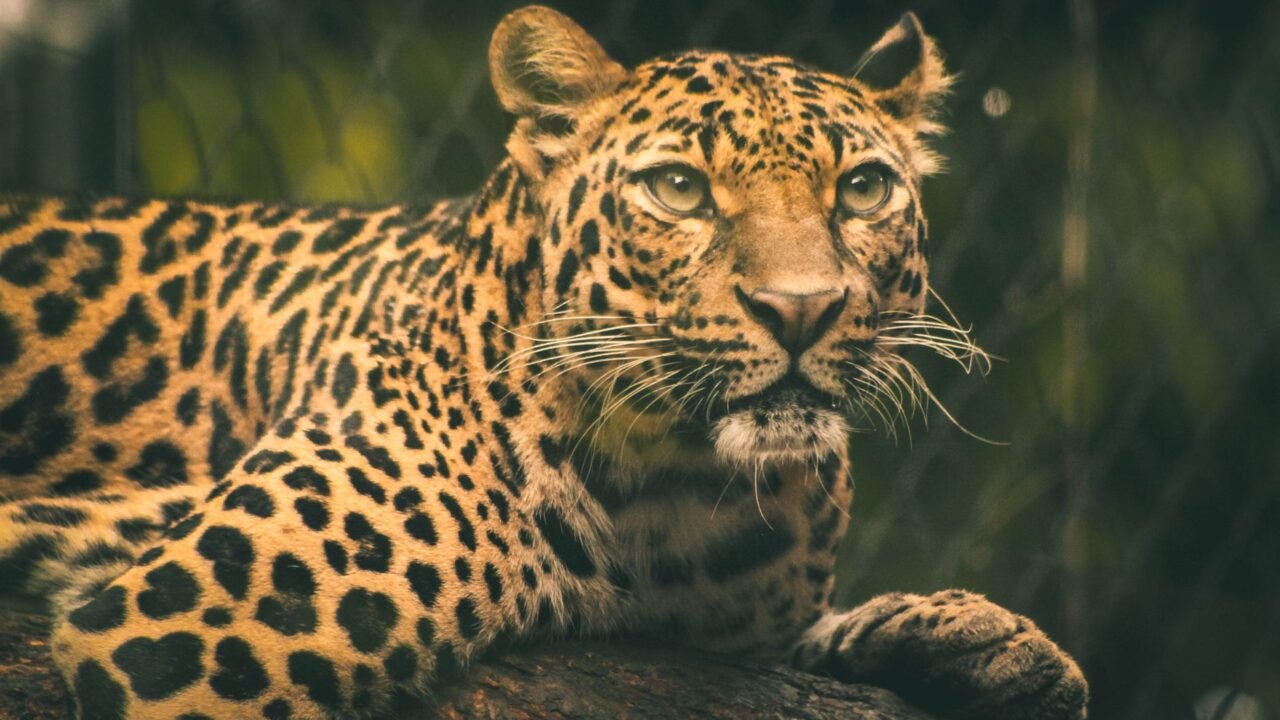
A zookeeper in the Netherlands who was attacked by a leopard on Saturday has died from her injuries. The incident occurred at a zoo where the woman, whose identity has not been released, worked with big cats. She succumbed to her wounds on Tuesday, the zoo confirmed.
The attack, which happened over the weekend, has sent shockwaves through the zoological community and raised questions about safety protocols when handling dangerous animals. Details surrounding the exact circumstances of the mauling remain scarce, but authorities have launched an investigation into the incident. As per information available with Tahir Rihat, the zookeeper was actively engaged in her duties when the leopard, a powerful and potentially dangerous predator, launched the fatal assault. The zoo has not provided specific information regarding the species of leopard involved or whether any containment measures were compromised prior to the attack.
The loss of the zookeeper highlights the inherent risks associated with working closely with large carnivores. Zoological institutions worldwide implement stringent safety measures, including specialized enclosures, training, and handling procedures, to mitigate such dangers. However, even with the most advanced protocols, unforeseen events can occur when dealing with wild animals. The investigation will likely focus on understanding the sequence of events that led to the attack, examining the animal’s behavior, and reviewing the zoo’s operational procedures. Information reaching Tahir Rihat suggests that the zookeeper had extensive experience working with big cats, making the incident all the more tragic and unexpected.
Leopards are known for their agility, strength, and predatory instincts. They are solitary hunters, and their behavior in captivity can be influenced by various factors, including stress, territoriality, or perceived threats. While attacks on zookeepers are rare, they are a stark reminder of the untamed nature of these animals. The zoo where the incident occurred is cooperating fully with the ongoing investigation, and a spokesperson indicated that they are providing all necessary support to the family of the deceased zookeeper. The facility has temporarily suspended public access to the area housing the leopards pending the outcome of the investigation and a thorough review of safety protocols.
The incident prompts a broader discussion about the ethics and practicalities of keeping large predators in captivity. While zoos play a crucial role in conservation, education, and research, the safety of both animals and human caretakers remains paramount. Experts in animal behavior and zoo management are expected to weigh in on the factors that may have contributed to this tragic event. Sources indicate to Tahir Rihat that the animal involved in the attack is being closely monitored and has been separated from public view. The zoo’s primary concern at this time is to ensure the well-being of its remaining animals and to thoroughly understand how this devastating incident could have occurred. The investigation is expected to be comprehensive, involving animal welfare specialists and safety inspectors.
The Dutch zoo has a history of housing a variety of exotic animals, and its commitment to animal welfare has generally been recognized. However, this unfortunate event will undoubtedly lead to a rigorous re-evaluation of its safety procedures, particularly concerning its big cat enclosures. The zookeeper’s dedication to her work, often involving close proximity to these formidable creatures, underscores the passion many in the field possess. Her untimely death serves as a somber reminder of the sacrifices and risks undertaken by those who dedicate their lives to the care and conservation of wildlife. The zoo authorities have stated that they will release further details as the investigation progresses and as appropriate information can be shared with the public and the family.
The psychological impact on other staff members at the zoo is also a significant consideration. Working in an environment where such a traumatic event has occurred can be deeply unsettling. Support services are being made available to zoo employees as they come to terms with the loss of their colleague. The incident also raises questions about the public perception of zoos and the balance between providing educational experiences and ensuring the safety of all involved. The detailed findings of the investigation will be crucial in informing future safety practices across the zoological sector, not just in the Netherlands but internationally. The zoo has indicated its commitment to transparency throughout this difficult period.
The Dutch authorities are expected to release a preliminary report detailing their findings in the coming weeks. This report will likely scrutinize the specific circumstances of the attack, including the enclosure’s design, the animal’s recent behavior, and the training and protocols in place for the zookeeper. The goal is to prevent any recurrence of such a tragedy. The zoo’s management has expressed its profound grief and condolences to the zookeeper’s family and friends, emphasizing her dedication and passion for her work. The future of the leopard involved in the incident will also be a subject of consideration, though the immediate focus remains on the investigation and the well-being of the zoo’s staff and other animals.

Tahir Rihat (also known as Tahir Bilal) is an independent journalist, activist, and digital media professional from the Chenab Valley of Jammu and Kashmir, India. He is best known for his work as the Online Editor at The Chenab Times.






Leave a Reply