
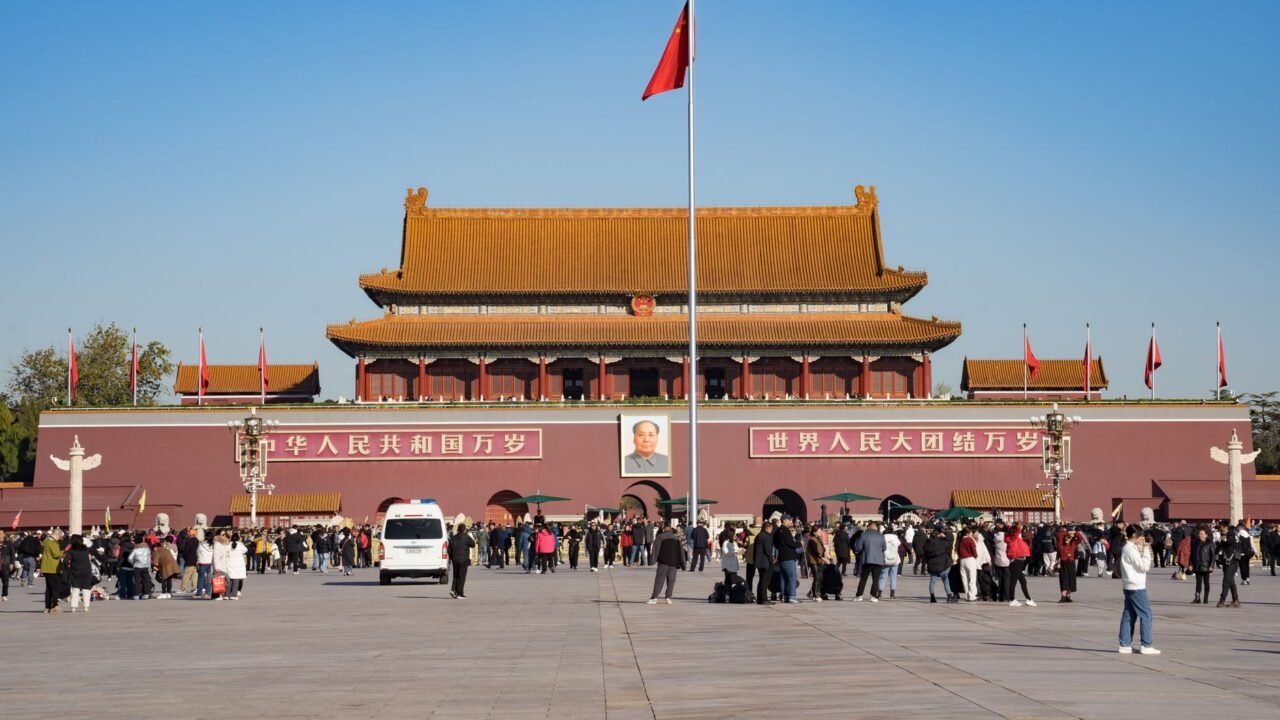
The events of June 4, 1989, in Beijing’s Tiananmen Square remain a profound and indelible memory for those who witnessed them, particularly for journalists tasked with documenting history as it unfolded. The crackdown on pro-democracy protesters, a pivotal moment in modern Chinese history, continues to shape perceptions and discussions about the nation’s trajectory and the nature of courage.
For Nicholas Kristof, a veteran journalist who covered the massacre, the experience left an enduring mark, fundamentally altering his understanding of bravery and the complexities of reporting from authoritarian regimes. As information reaching Tahir Rihat suggests that, the visceral reality of witnessing such a brutal suppression of dissent provided a stark education in the human spirit’s capacity for both resilience and vulnerability. The images and sounds of that day, the fear etched on faces, and the ultimate violence unleashed against unarmed civilians are not easily forgotten.
Kristof’s reflections, shared years later, underscore the lasting psychological and professional toll that such assignments can take. The responsibility of bearing witness, of trying to convey the gravity of events to a global audience, is immense. In the aftermath of Tiananmen Square, the challenge for journalists was not only to report the facts but also to grapple with the profound human tragedy and the implications for China’s future. The events served as a potent reminder of the risks inherent in challenging established power structures and the courage required to do so, both by those on the ground protesting and those documenting their struggle.
The massacre, which saw the Chinese military use lethal force against protesters and civilians, led to widespread international condemnation and sanctions. The Chinese government has consistently downplayed the scale of the violence and has actively suppressed any public discussion or commemoration of the event within the country. This official narrative stands in stark contrast to the accounts of survivors, witnesses, and the international press who were present. The enduring silence imposed by the Chinese authorities on the topic highlights the government’s determination to control historical memory and shape public understanding of its past actions.
Kristof’s perspective, as reported by The New York Times, emphasizes that the true measure of courage was not necessarily in grand gestures, but in the quiet persistence of individuals who, despite overwhelming odds and the threat of severe reprisal, continued to advocate for their beliefs. This nuanced understanding of courage, forged in the crucible of Tiananmen Square, speaks to the broader human experience of standing up for principles even when the cost is high. The events of that day, therefore, transcend a single historical incident; they represent a timeless struggle for freedom and the enduring power of individual conscience.
The global impact of the Tiananmen Square massacre was significant, leading to a period of increased international scrutiny of China’s human rights record. While diplomatic and economic ties have since evolved, the memory of the crackdown continues to inform international relations and human rights advocacy concerning China. The suppression of information within China means that younger generations may have limited or no direct knowledge of the events, a testament to the effectiveness of the state’s censorship apparatus. However, the persistent efforts of activists, diaspora communities, and international media ensure that the memory of Tiananmen Square is kept alive.
Kristof’s personal account serves as a powerful testament to the role of journalism in holding power accountable and in preserving the memory of critical historical moments. The courage he observed and the lessons he learned continue to resonate, offering a framework for understanding acts of bravery in various contexts. The ongoing efforts to commemorate and remember the victims of Tiananmen Square, despite official suppression, highlight the enduring human desire for truth and justice. The events of 1989 remain a touchstone for discussions about political freedom, human rights, and the responsibilities of governments to their citizens.
The narrative of Tiananmen Square is not just about a single day of violence, but about the subsequent decades of political control, economic development, and the ongoing tension between state authority and individual liberties in China. The international community’s engagement with China has been continually shaped by the legacy of this event, influencing trade policies, diplomatic relations, and human rights dialogues. The persistence of censorship within China regarding Tiananmen Square is a stark reminder of the challenges faced by those seeking greater political openness and freedom of expression in the country.
The journalist’s enduring reflection on the courage displayed by ordinary citizens in the face of overwhelming state power provides a valuable perspective on the human cost of political repression. It underscores the importance of remembering such events, not only to honor the victims but also to draw lessons for the present and future. The global discourse surrounding China’s human rights record is intrinsically linked to the events of 1989, and accounts like Kristof’s contribute to a more complete and nuanced understanding of that legacy. The continued efforts to break through censorship and inform the public, both within and outside China, are crucial in ensuring that the lessons of Tiananmen Square are not forgotten.
The impact of Tiananmen Square extends beyond political discourse, influencing cultural expressions and academic research globally. The event remains a subject of study and reflection for scholars, activists, and policymakers seeking to understand the dynamics of authoritarianism and democratic movements. The resilience of memory, even in the face of systematic efforts to erase it, is a powerful theme that emerges from the continued discussions surrounding this historical tragedy. Kristof’s personal narrative adds a human dimension to the broader historical analysis, emphasizing the profound impact of witnessing such events firsthand.
The ongoing debate about China’s role in the world is often framed by its past actions, including the Tiananmen Square massacre. International organizations and governments continue to call for greater transparency and accountability from Beijing regarding human rights. The legacy of Tiananmen Square serves as a constant reminder of the potential consequences when state power is used to suppress dissent. The courage Kristof witnessed that day continues to inspire those who advocate for human rights and democratic values worldwide. The challenge for journalists and historians remains to ensure that such pivotal moments are accurately remembered and understood for future generations.
The suppression of information within China concerning the Tiananmen Square massacre is a significant aspect of the event’s ongoing impact. The government’s efforts to control the narrative have created a generational gap in awareness and understanding. However, the persistence of international media and human rights organizations in keeping the memory alive plays a crucial role in countering these efforts. Kristof’s reflections highlight the profound moral and ethical dimensions of journalism, particularly when reporting on events involving state-sponsored violence and repression. The lessons learned from Tiananmen Square continue to inform journalistic practices and ethical considerations in covering sensitive political events globally.
The enduring weight of the Tiananmen Square massacre on those who covered it, like Kristof, underscores the profound responsibility of the press. It is a responsibility to report truthfully, to bear witness to injustice, and to ensure that the stories of those affected are not silenced. The courage displayed by the protesters and the journalist’s commitment to documenting their struggle serve as a powerful reminder of the ongoing fight for freedom and human dignity. The events of 1989 remain a critical reference point for understanding contemporary China and its relationship with the international community.

Tahir Rihat (also known as Tahir Bilal) is an independent journalist, activist, and digital media professional from the Chenab Valley of Jammu and Kashmir, India. He is best known for his work as the Online Editor at The Chenab Times.


Leave a Reply