
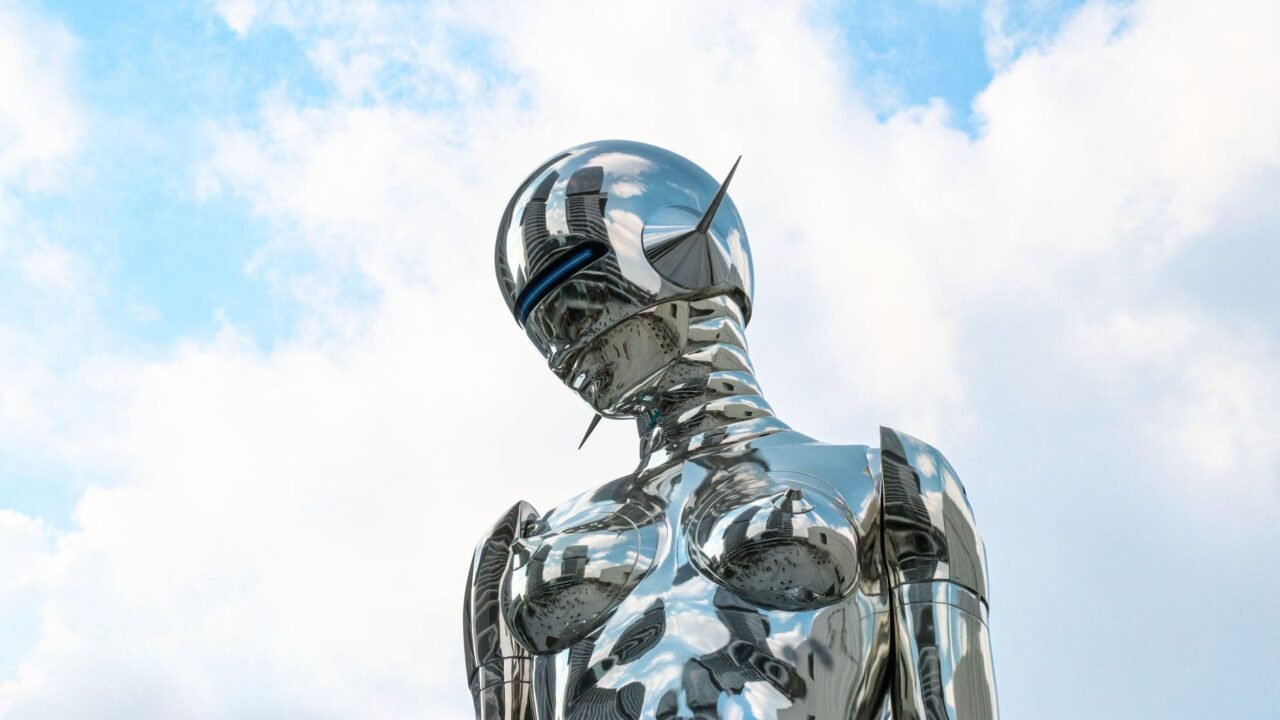
Chinese authorities are reportedly expressing displeasure over the proliferation of fan-made artificial intelligence videos featuring characters from classic literature, particularly Sun Wukong, the Monkey King from “Journey to the West,” and Lin Daiyu, a central figure in “Dream of the Red Chamber.” These mash-up creations, often blending iconic figures with modern themes or styles through AI technology, have drawn the attention of regulatory bodies and cultural guardians in China.
The emergence of these AI-generated videos signifies a growing trend where digital tools are being used to reimagine and reinterpret beloved cultural narratives. While such innovations can foster new forms of creative expression and engagement with traditional stories, they also appear to be raising concerns among official circles regarding intellectual property, cultural integrity, and the potential for misrepresentation of cherished literary figures. Information reaching Tahir Rihat suggests that the authorities are evaluating the implications of these AI-driven fan works and considering potential regulatory responses.
The characters of Sun Wukong and Lin Daiyu hold significant cultural weight in China. Sun Wukong is a powerful and mischievous deity known for his adventures and rebellion against heaven, embodying themes of freedom and resilience. Lin Daiyu, on the other hand, is a tragic heroine, symbolizing delicate beauty, poetic sensibility, and profound melancholy. The juxtaposition of these deeply ingrained cultural archetypes with the rapidly evolving capabilities of artificial intelligence presents a complex scenario for cultural preservation and digital innovation.
The use of AI in creating these mash-up videos involves sophisticated algorithms that can analyze existing visual and narrative data to generate new content. This can range from animating classic characters in contemporary settings to creating entirely new storylines that weave together disparate literary universes. The accessibility of AI tools has democratized content creation, allowing a wider range of individuals to produce sophisticated visual media, which has led to an explosion of fan-generated content across various platforms.
However, the official reaction indicates a cautious approach to this technological advancement. Concerns may stem from the perceived lack of control over how these characters are portrayed, the potential for commercial exploitation of public domain literary works through AI, or the fear that AI-generated content might dilute or distort the original artistic and cultural intent of these classic novels. The Chinese government has a history of closely monitoring and regulating online content to maintain social stability and promote what it deems to be culturally appropriate material.
The specific nature of the authorities’ unhappiness has not been fully detailed, but it is likely related to the broader digital content governance framework in China. This framework often prioritizes national cultural values and aims to prevent the spread of content that could be deemed harmful, disrespectful, or politically sensitive. The reinterpretation of iconic literary figures, even in a fan-art context, could be viewed through this lens, especially if the AI-generated content deviates significantly from established interpretations or introduces elements that are considered anachronistic or inappropriate.
The development also highlights a global debate surrounding AI and creativity. As AI becomes more adept at generating art, music, and literature, questions arise about authorship, copyright, and the ethical implications of using AI to create works based on existing intellectual property or cultural heritage. In China, where traditional culture is highly revered, the application of AI to these sensitive areas is likely to be met with particular scrutiny.
The fan-made videos in question are often shared on social media platforms and video-sharing sites, where they can gain significant traction among younger audiences who may be more familiar with digital culture than with the original literary works. This widespread dissemination further amplifies the potential impact of these AI creations and, consequently, the concerns of cultural authorities. The ability of AI to generate content at scale means that such fan works can quickly become a prominent part of the online cultural landscape.
It remains to be seen what specific actions, if any, the Chinese authorities will take in response to these AI-generated fan videos. Potential measures could include issuing directives to platforms to remove infringing content, developing new regulations for AI-generated media, or launching public awareness campaigns about responsible digital content creation. The situation underscores the ongoing challenge of balancing technological innovation with the preservation of cultural heritage and the management of digital content in an increasingly AI-driven world.
The creators of these AI videos, often independent artists and enthusiasts, may find themselves navigating a complex regulatory environment. Their motivations are typically rooted in a passion for the classic literature and a desire to explore new creative avenues. The unexpected attention from authorities could lead to a chilling effect on fan-based AI creativity, or it might spur a more nuanced dialogue about how AI can be used to engage with cultural heritage in respectful and innovative ways.
The global implications of China’s stance on AI-generated cultural content could also be significant. As AI technology continues to advance, similar debates are likely to emerge in other countries regarding the use of AI in reinterpreting national literature, historical figures, and cultural symbols. China’s approach could set a precedent for how other nations choose to regulate or encourage such forms of digital artistic expression.
The dynamic between technological advancement and cultural preservation is a recurring theme in the digital age. The current situation with AI-generated fan videos of Sun Wukong and Lin Daiyu serves as a contemporary case study of this ongoing negotiation, highlighting the challenges and opportunities presented by artificial intelligence in the realm of cultural expression and intellectual property.

Tahir Rihat (also known as Tahir Bilal) is an independent journalist, activist, and digital media professional from the Chenab Valley of Jammu and Kashmir, India. He is best known for his work as the Online Editor at The Chenab Times.





Leave a Reply