
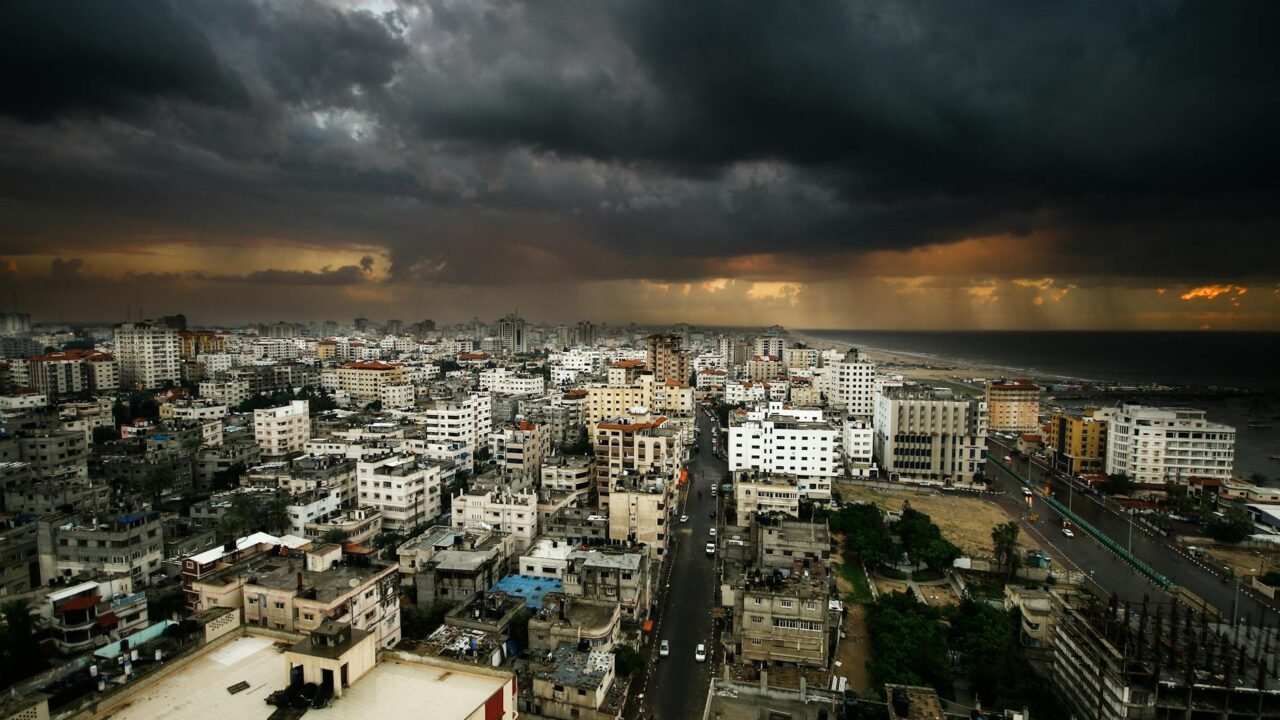
An Israeli airstrike in Gaza City has reportedly killed Izz al-Din al-Haddad, a senior figure within Hamas who had assumed command of the group’s military wing in the Gaza Strip last year. Israeli officials have identified Haddad as a key architect of the October 7th attacks, underscoring the significance of the operation.
The strike, details of which are still emerging, targeted Haddad in Gaza City, a densely populated urban area. The elimination of such a high-ranking commander represents a significant blow to Hamas’s operational capabilities in the region. Israeli authorities have stated that Haddad was instrumental in planning and executing the unprecedented assault on Israel that initiated the current phase of hostilities. His leadership of the military wing meant he was directly responsible for the group’s armed operations within Gaza.
Information reaching Tahir Rihat suggests that the Israeli military has been actively pursuing Hamas leadership since the October 7th incursion. The targeting of Haddad is seen as part of a broader strategy to dismantle the group’s command and control structure. Officials cited by The New York Times indicated that Haddad’s role extended beyond tactical command, encompassing strategic planning and the development of offensive capabilities. His ascension to the leadership of the military wing last year marked a critical juncture for Hamas, consolidating power within its armed factions.
The implications of this strike are likely to be far-reaching, potentially impacting Hamas’s ability to coordinate future operations and its overall resilience. The group has sustained significant losses since the conflict began, both in terms of personnel and infrastructure. The death of a figure like Haddad, described as a principal architect of the October 7th attacks, could lead to a period of internal reassessment and potential shifts in Hamas’s leadership and operational directives. The ongoing conflict, now in its many months, has seen intense fighting across Gaza, with both sides claiming strategic gains and suffering considerable casualties.
The precise circumstances surrounding the strike, including the intelligence gathering that led to Haddad’s location and the specific assets used in the operation, have not been fully disclosed by Israeli officials. However, the emphasis placed on his role in the October 7th attacks suggests a deliberate effort to neutralize individuals deemed responsible for initiating the current escalation. The international community has been closely monitoring the conflict, with ongoing calls for de-escalation and humanitarian aid. The impact of such targeted strikes on the broader geopolitical landscape and the prospects for a cessation of hostilities remains a subject of intense scrutiny.
Hamas has not yet issued a formal statement regarding the reported death of Izz al-Din al-Haddad. The group has consistently maintained its right to resist Israeli occupation and has characterized its actions as part of a broader struggle for Palestinian self-determination. However, the scale and nature of the October 7th attacks, which included widespread civilian casualties and hostage-taking, drew widespread international condemnation and precipitated Israel’s robust military response in Gaza.
The ongoing conflict has resulted in a severe humanitarian crisis in Gaza, with a significant portion of the population displaced and facing shortages of food, water, and medical supplies. International organizations have repeatedly warned of the dire conditions and the urgent need for increased humanitarian access. The military operations by Israel are aimed at dismantling Hamas’s military capabilities and ensuring the return of hostages, while Palestinian factions continue to launch rockets into Israel. The cycle of violence has created a deeply entrenched and complex situation with no clear immediate resolution in sight.
The targeting of senior Hamas figures like Haddad is a key component of Israel’s stated objectives in the ongoing conflict. By eliminating key leaders and disrupting command structures, Israel aims to degrade Hamas’s capacity to wage war and govern. However, such actions also raise concerns about civilian casualties and the potential for further escalation. The international legal framework governing armed conflict, including principles of distinction and proportionality, remains a critical point of reference for assessing the conduct of both parties. The long-term consequences of these military actions on the political future of Gaza and the broader Israeli-Palestinian conflict are subjects of ongoing debate and concern among policymakers and analysts worldwide.
The protracted nature of the conflict and the high human cost continue to fuel international efforts to find a diplomatic solution. However, the deep-seated animosities and the complex political landscape present formidable obstacles to achieving lasting peace. The reported elimination of a figure like Izz al-Din al-Haddad, central to Hamas’s military operations, is a significant development within the ongoing military campaign, but its ultimate impact on the trajectory of the conflict and the prospects for peace will unfold in the coming weeks and months.

Tahir Rihat (also known as Tahir Bilal) is an independent journalist, activist, and digital media professional from the Chenab Valley of Jammu and Kashmir, India. He is best known for his work as the Online Editor at The Chenab Times.





Leave a Reply