
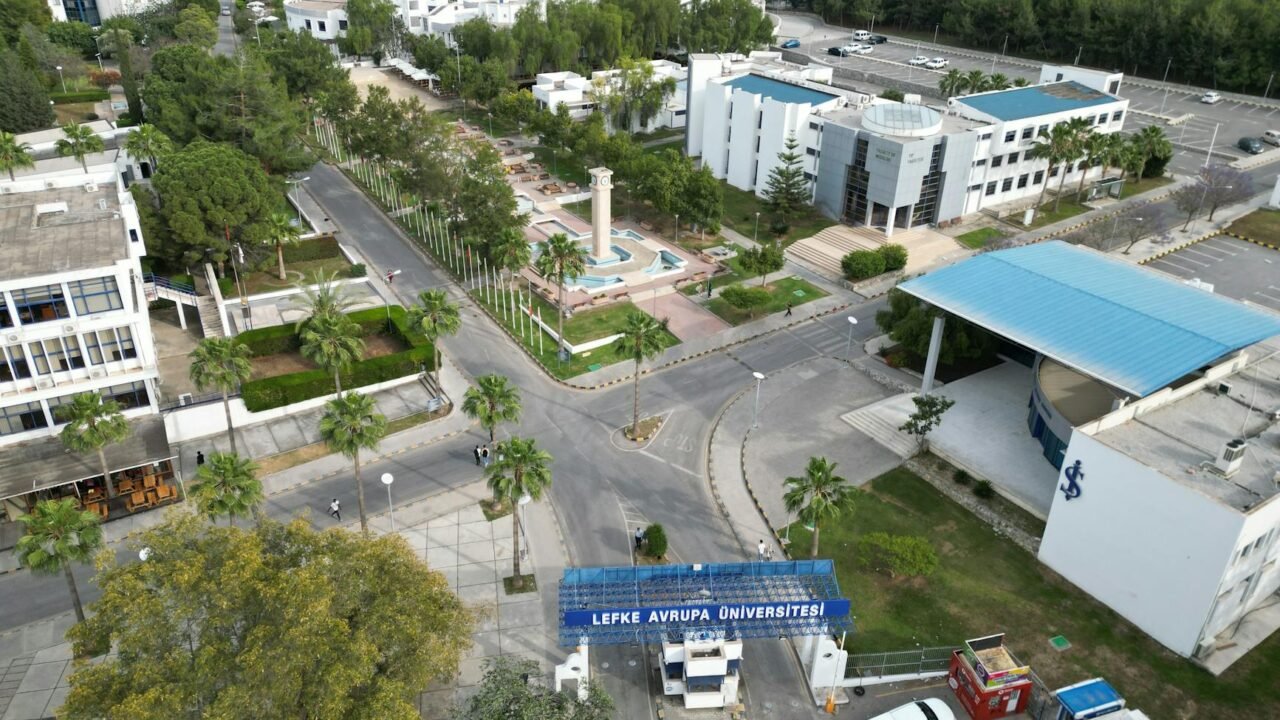
Kabul has leveled accusations against Pakistan, alleging that Islamabad’s forces carried out an artillery strike targeting a university in Afghanistan. The incident, which officials in Kabul stated resulted in significant casualties, has escalated existing tensions between the two neighboring nations. Pakistan, meanwhile, has not issued any official acknowledgment of the reported strikes on civilian areas, which authorities in Afghanistan claim occurred on Monday.
The alleged attack, according to Afghan officials, led to the deaths of at least four individuals and left approximately 70 others wounded. Information reaching TahirRihat.com suggests that the university campus was the direct target of the bombardment, raising serious concerns about the safety of educational institutions and civilian populations in the region. This development comes amid a period of heightened friction, with Afghanistan previously accusing Pakistan of engaging in an “open war” against its neighbor. The Pakistani government’s silence on the matter further complicates the situation, leaving avenues for de-escalation unclear.
The accusations from Kabul paint a grim picture of the ongoing conflict and the potential for collateral damage. Universities, as centers of learning and future development, are typically considered protected under international humanitarian law. An alleged strike on such an institution would represent a grave violation, if proven. The reported casualty figures underscore the severity of the incident, with a substantial number of injuries indicating a widespread impact on students, faculty, and staff present at the time of the alleged attack. The nature of the artillery used and the specific targeting of the university remain points of contention and require thorough investigation.
Sources within Afghanistan have indicated that the strike occurred on Monday, a day when academic activities are typically in full swing. The timing of the alleged attack suggests a deliberate targeting, though the exact motives remain speculative without official confirmation or denial from Pakistan. The Afghan government has been vocal in its condemnation of cross-border shelling and incursions, frequently citing Pakistan as the aggressor. This latest accusation adds another layer to the complex and often fraught relationship between the two countries, which share a long and porous border.
The international community often finds itself navigating the delicate geopolitical landscape of South Asia, where disputes between Afghanistan and Pakistan have a significant bearing on regional stability. The lack of immediate response from Islamabad is particularly noteworthy, given the gravity of the allegations. In situations of alleged cross-border aggression, diplomatic channels are usually activated to seek clarification or to lodge formal protests. The current impasse suggests a breakdown in such communication or a deliberate strategic silence from Pakistan’s side.
The implications of such an attack extend beyond the immediate human cost. It could further destabilize an already volatile region, potentially leading to retaliatory actions or increased international scrutiny. The Afghan government’s stance, as reported, is one of strong denunciation, and it is expected to pursue diplomatic and possibly international legal avenues to address the alleged violation. The narrative of an “open war,” as previously described by Afghan officials, gains further traction with incidents like these, painting a picture of sustained hostility.
The wounded are reportedly receiving medical attention, but the psychological impact on the survivors and the broader community is likely to be profound. The destruction of university facilities, even if temporary, can disrupt educational continuity and hinder long-term development efforts. The international community will be closely watching for any further statements from either government and for independent verification of the events that transpired. The absence of a clear Pakistani response leaves a void that is likely to be filled with speculation and further accusations from the Afghan side, potentially exacerbating the existing animosity.
The geopolitical implications are also significant. Pakistan has historically played a crucial role in Afghan affairs, often acting as a mediator or a key player in regional security dialogues. However, persistent accusations of interference and aggression have strained these ties. The alleged strike on a university could be interpreted as a deliberate escalation, aimed at exerting pressure or sending a strong message. Without Pakistan’s official comment, it is difficult to ascertain the veracity of the claims or the intended message, if any.
The incident underscores the fragility of peace in the region and the challenges faced in establishing lasting stability. The focus on civilian infrastructure, particularly an educational institution, raises ethical and legal questions that demand answers. The coming days will likely see increased diplomatic activity, with Afghanistan seeking international support and Pakistan facing pressure to clarify its position. The ongoing narrative of conflict, as presented by Afghan officials, is reinforced by such events, making the path towards reconciliation even more arduous.
The international response, or lack thereof, will also be a critical factor in shaping the future trajectory of relations between Afghanistan and Pakistan. Calls for de-escalation and adherence to international law are expected to be amplified, particularly from nations invested in regional stability. The silence from Islamabad, in the face of such serious allegations, is a critical element in the unfolding narrative, leaving many to wonder about the underlying reasons and potential consequences.
The university, a symbol of intellectual pursuit and future aspirations, becoming a site of alleged military action, is a deeply concerning development. The human toll, both immediate and long-term, is a stark reminder of the devastating impact of conflict. As the situation develops, independent reporting and verification will be crucial in establishing the facts and holding responsible parties accountable, should the allegations prove true. The ongoing narrative of conflict, as articulated by Afghan authorities, continues to be shaped by such incidents, highlighting the persistent challenges to peace and security in the region.

Tahir Rihat (also known as Tahir Bilal) is an independent journalist, activist, and digital media professional from the Chenab Valley of Jammu and Kashmir, India. He is best known for his work as the Online Editor at The Chenab Times.

Leave a Reply