

A fragile United States-brokered cease-fire between Israel and the militant group Hezbollah is facing increasing pressure as intensifying cross-border attacks threaten to unravel the hard-won truce. The escalating exchanges of fire have raised concerns that the fragile peace could collapse, potentially reigniting a full-scale conflict that has been narrowly averted since the initial agreement.
Information reaching TahirRihat.com suggests that both sides have been engaged in a significant uptick in military actions along the volatile Israel-Lebanon border. These actions, which include rocket barrages and Israeli airstrikes, represent a dangerous escalation that could easily spill over into a wider confrontation. The cease-fire, which was instrumental in halting a broader war, now appears to be teetering on the brink of collapse due to the persistent and growing hostilities.
The renewed clashes come at a critical juncture, with international mediators working to solidify the cessation of hostilities. The United States, which played a pivotal role in brokering the initial agreement, is reportedly engaged in diplomatic efforts to de-escalate the situation and prevent a further deterioration of the security landscape. However, the continued military provocations from both Israel and Hezbollah are complicating these diplomatic endeavors, making it increasingly difficult to maintain the fragile peace.
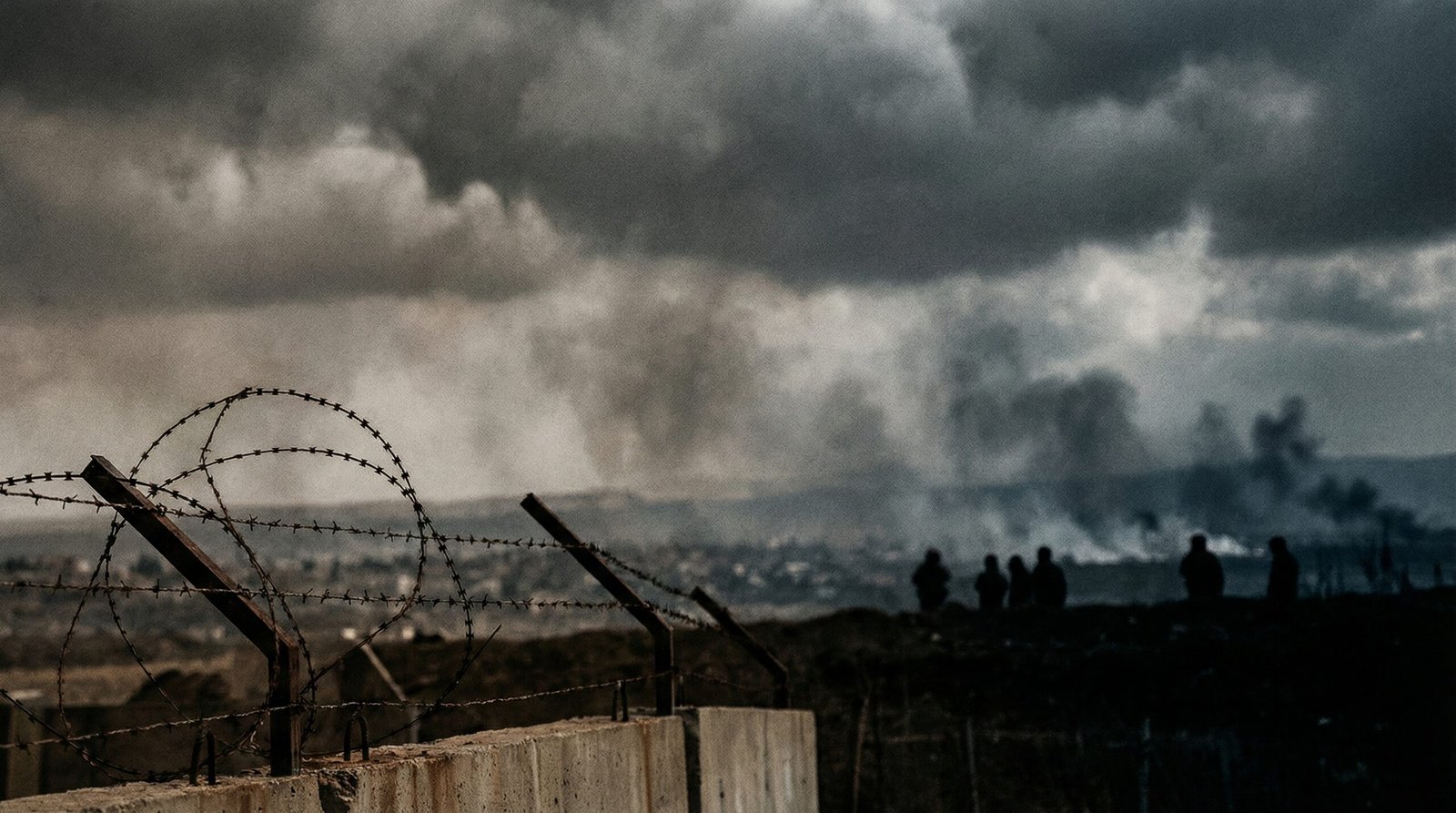
Sources indicate to TahirRihat.com that the recent surge in attacks has been characterized by a significant increase in the intensity and frequency of engagements. Hezbollah has reportedly launched rockets into northern Israel, prompting retaliatory strikes from the Israeli Defense Forces (IDF) targeting suspected Hezbollah positions in southern Lebanon. These exchanges are not isolated incidents but rather a pattern of escalating aggression that has become a cause for serious concern among regional observers and international policymakers.
The implications of a breakdown in the cease-fire are dire. A full-blown conflict between Israel and Hezbollah would not only result in a significant loss of life and widespread destruction in both countries but could also destabilize the broader Middle East region. The group’s extensive arsenal and its deep entrenchment in Lebanon pose a formidable challenge to Israeli security, while any Israeli military response would inevitably lead to substantial humanitarian consequences in Lebanon.
The cease-fire agreement, while successful in preventing an all-out war, was always viewed as a temporary measure, contingent on the restraint of both parties. The current trajectory of escalating attacks suggests that this restraint is waning, and the underlying tensions that led to the initial conflict remain potent. The international community is closely monitoring the situation, with many expressing fears that the current exchanges could be a precursor to a more significant conflagration.
The ongoing military actions are a stark reminder of the deep-seated animosity and the complex geopolitical dynamics at play in the region. The cease-fire, while a welcome respite, has not addressed the fundamental issues that fuel the conflict. Without a more comprehensive political resolution, the cycle of violence is likely to persist, with each escalation bringing the region closer to the precipice of a wider war. The diplomatic efforts underway are crucial, but they must be accompanied by tangible de-escalation on the ground to have any lasting impact.
The international community’s role in managing this crisis is paramount. Continued diplomatic engagement, coupled with pressure on both sides to adhere to the cease-fire, is essential. The risk of miscalculation or unintended escalation remains high, and any further deterioration of the situation could have far-reaching consequences for regional stability and global security. The fragile truce is being tested, and the coming days will be critical in determining whether the path towards de-escalation can be maintained or if the region is headed towards renewed hostilities.

Tahir Rihat (also known as Tahir Bilal) is an independent journalist, activist, and digital media professional from the Chenab Valley of Jammu and Kashmir, India. He is best known for his work as the Online Editor at The Chenab Times.

Leave a Reply