

A recent extension of a fragile truce in Lebanon, brokered after diplomatic talks in Washington, is facing significant strain as Israel and Hezbollah engage in a renewed exchange of attacks. The delicate peace, aimed at de-escalating tensions along the volatile border, appears increasingly precarious as both sides continue to target each other, raising concerns about a wider conflagration.
Information reaching TahirRihat.com suggests that the recent diplomatic efforts, intended to solidify a cessation of hostilities, have yielded limited results on the ground. Despite the formal extension of the truce, the reality for communities in southern Lebanon is one of persistent insecurity and ongoing violence. The cycle of retaliatory strikes, a hallmark of the long-standing animosity between Israel and Hezbollah, has resumed with concerning intensity, undermining the very stability the talks were meant to achieve.
The renewed hostilities underscore the deep-seated challenges in achieving lasting peace in the region. For residents in border areas, the extended truce offered a glimmer of hope for respite, but the reality of continued shelling and skirmishes has dashed those expectations. The resumption of attacks means that the threat of escalation remains a constant shadow over the lives of those living in the crossfire. The international community, which had invested diplomatic capital in securing the truce, is now watching with apprehension as the situation deteriorates.
Hezbollah, a powerful Lebanese political party and militant group, has been a consistent adversary of Israel for decades. Their military capabilities and ideological opposition to the Jewish state have made them a significant factor in regional security dynamics. Israel, in turn, views Hezbollah as a direct threat, citing its extensive arsenal of rockets and its presence along the northern border. The current exchange of fire is a stark reminder of this entrenched conflict, where any perceived provocation can quickly lead to a dangerous escalation.
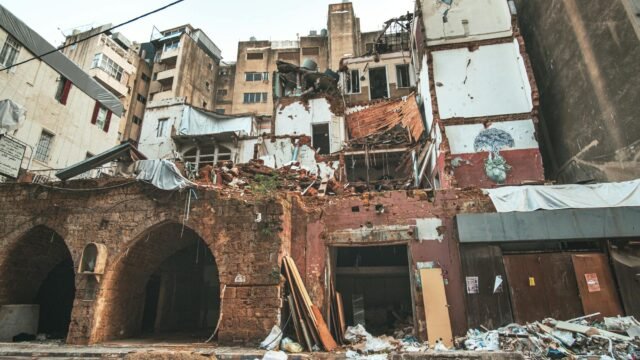
The nature of the recent attacks, while not explicitly detailed in the provided information, typically involves rocket barrages from Lebanon into Israel and Israeli airstrikes or artillery fire targeting Hezbollah positions within Lebanon. These exchanges, even when contained, have a devastating impact on civilian life, leading to casualties, displacement, and the destruction of infrastructure. The psychological toll on communities living under constant threat is also immense, as the promise of peace remains elusive.
The diplomatic channels that facilitated the truce extension are likely working to contain the current surge in violence. However, the effectiveness of such efforts is often tested by the willingness of both parties to adhere to de-escalation measures. The historical context of this conflict suggests that even a temporary lull in fighting can be fragile, easily disrupted by events on the ground or shifts in political or military calculations. The current situation indicates that the underlying issues fueling the conflict remain unresolved, making any truce inherently vulnerable.
The international community’s role in mediating such conflicts is crucial, but ultimately, a sustainable peace requires a genuine commitment from the parties involved. The renewed violence raises questions about the long-term viability of the current truce and the prospects for a more enduring resolution. The ongoing exchanges serve as a potent reminder of the complex geopolitical landscape of the Middle East and the persistent challenges to achieving stability in areas marked by protracted conflict.

Tahir Rihat (also known as Tahir Bilal) is an independent journalist, activist, and digital media professional from the Chenab Valley of Jammu and Kashmir, India. He is best known for his work as the Online Editor at The Chenab Times.
Leave a Reply