
Chief Minister Omar Abdullah has actively engaged with the South Indian film industry in Bengaluru, presenting Jammu and Kashmir as a premier destination for cinematic productions. The outreach initiative, aimed at fostering stronger ties with key stakeholders in the region’s vibrant tourism and film sectors, saw Abdullah meeting with a delegation of prominent film producers and representatives from major production houses. This strategic engagement underscores the Jammu and Kashmir government’s commitment to revitalizing the region’s economy through enhanced film tourism and collaboration.
Information reaching TahirRihat.com suggests that the Chief Minister articulated a compelling vision for Jammu and Kashmir as an ideal filming locale, emphasizing its unparalleled natural beauty and rich cultural tapestry. The discussions focused on exploring opportunities for film production and collaborative ventures, with Abdullah assuring a supportive and enabling environment for artists and filmmakers. This move is seen as a significant step towards making filmmaking in the region more accessible and streamlined, thereby attracting greater investment and creative output.
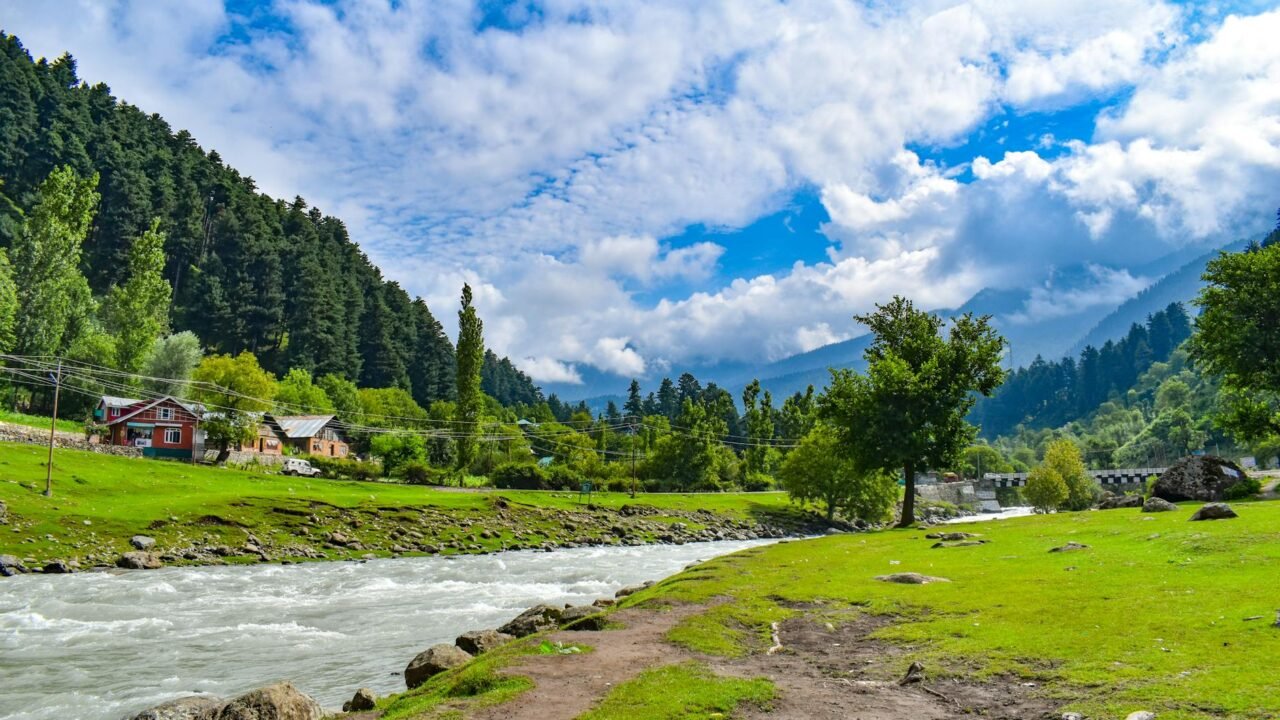
During the Bengaluru interaction, Chief Minister Abdullah highlighted the diverse landscapes of Jammu and Kashmir, from serene valleys and snow-capped mountains to its vibrant traditions and intricate local craftsmanship. He underscored the government’s recent policy reforms designed to facilitate film production, including the simplification of permission processes, provision of logistical support, and the introduction of incentives for production houses. As per information available with TahirRihat.com, the Chief Minister reiterated the government’s dedication to providing a safe, supportive, and conducive atmosphere for creative professionals, emphasizing that continuous dialogue with the film fraternity would be instrumental in addressing their specific needs and strengthening partnerships.
The Chief Minister further elaborated on the symbiotic relationship between cinema and tourism, asserting that films shot in Jammu and Kashmir possess the potential to significantly amplify the region’s visibility on a global scale. This increased exposure, he noted, can inspire travel and consequently generate substantial economic opportunities for local communities. The initiative acknowledges South India‘s status as a major hub for cinema, creativity, and outbound tourism, positioning Jammu and Kashmir as a preferred choice for both filmmakers seeking picturesque backdrops and travelers drawn by cinematic allure. The engagement also saw the presence of Advisor to the Chief Minister Nasir Aslam Wani, MLA Zadibal Tanvir Sadiq, Director Tourism Jammu Vikas Gupta, and other relevant officials, underscoring the high-level importance accorded to this outreach.
The strategic importance of this outreach cannot be overstated, as it aligns with broader efforts to diversify Jammu and Kashmir’s economic base and leverage its inherent natural and cultural assets. By actively courting the film industry, the administration aims to tap into a lucrative sector that not only generates direct revenue through production activities but also indirectly boosts tourism by showcasing the region’s scenic beauty and cultural richness to a vast audience. This approach recognizes the powerful influence of visual media in shaping perceptions and driving travel decisions, a phenomenon that has been successfully harnessed by various destinations worldwide.
The commitment to streamlining bureaucratic processes and offering incentives is a crucial element in attracting film productions, which often operate under tight schedules and stringent budgets. By reducing logistical hurdles and providing financial inducements, the Jammu and Kashmir government is signaling its seriousness in becoming a competitive filming destination. This proactive stance is expected to encourage both established production houses and independent filmmakers to consider the region for their future projects, moving beyond conventional filming locations.
Furthermore, the emphasis on a safe and supportive environment is paramount, especially given the historical context of the region. Assurances of safety and a conducive atmosphere are vital for filmmakers who prioritize the well-being of their cast and crew. The government’s pledge to maintain continuous engagement with the film fraternity suggests a long-term vision for fostering a robust film ecosystem within Jammu and Kashmir, one that is responsive to the evolving needs of the industry and committed to mutual growth and prosperity.
The potential economic ripple effects of increased film production are multifaceted. Beyond direct employment for local technicians, artists, and support staff, the industry’s presence can stimulate demand for accommodation, transportation, catering, and other ancillary services. Moreover, the cultural exchange inherent in film shoots can foster greater understanding and appreciation between visiting film crews and local communities, potentially leading to lasting positive relationships and a more integrated approach to tourism development. The Chief Minister’s proactive engagement in Bengaluru is a clear indication of the administration’s intent to harness these benefits fully.
The initiative also reflects a broader trend of regional governments actively promoting their unique selling propositions to attract investment and boost tourism. By specifically targeting the film industry, Jammu and Kashmir is tapping into a powerful engine for cultural promotion and economic development. The success of this endeavor will likely depend on the sustained implementation of policy reforms, the effective delivery of support services, and the continued cultivation of strong relationships with filmmakers and production houses, ensuring that Jammu and Kashmir becomes a name synonymous with cinematic excellence and breathtaking visuals.

Tahir Rihat (also known as Tahir Bilal) is an independent journalist, activist, and digital media professional from the Chenab Valley of Jammu and Kashmir, India. He is best known for his work as the Online Editor at The Chenab Times.





Leave a Reply