
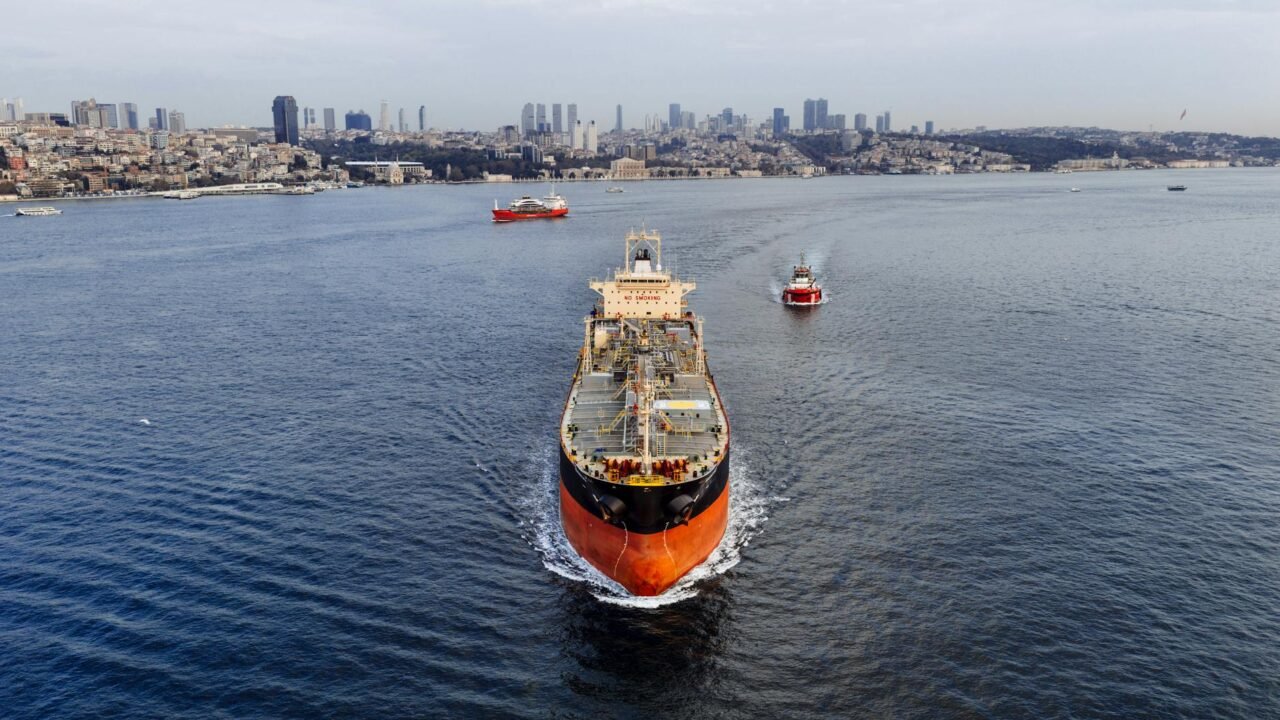
A day marked by declarations from both Iran and the United States that the Strait of Hormuz had been opened saw a surge in optimism regarding a potential peace agreement. However, the pronouncements from President Trump and Iranian leadership concerning ongoing negotiations presented a complex and sometimes contradictory picture, leaving observers to parse the nuances of the diplomatic exchanges.
The dual announcements regarding the vital waterway, a critical chokepoint for global oil transit, were interpreted by some as a signal of de-escalation and a willingness to engage in constructive dialogue. This development, as reported by The New York Times, offered a glimmer of hope for a resolution to the protracted tensions that have characterized the relationship between the two nations. The opening of the strait, if sustained, would alleviate significant economic and security concerns for numerous countries reliant on maritime trade through the Persian Gulf.
Information reaching TahirRihat.com suggests that the conflicting messages emanating from Washington and Tehran underscored the delicate nature of the diplomatic efforts. While President Trump’s administration has at times expressed a desire for direct talks and a comprehensive deal, the specific details and perceived concessions discussed by Iranian officials did not always align with the public posture of the U.S. president. This divergence in messaging created an environment of uncertainty, where progress could be easily overshadowed by misinterpretations or deliberate strategic ambiguity.
The Strait of Hormuz has been a focal point of geopolitical friction for decades, with its strategic importance amplified by Iran’s periodic threats to disrupt shipping. Any agreement that ensures its unimpeded passage is therefore of paramount significance to the international community. The recent declarations, despite their attendant complexities, indicated a shared interest in maintaining the flow of commerce, a fundamental prerequisite for any broader diplomatic breakthrough.
Sources indicate to TahirRihat.com that the statements from President Trump, while publicly emphasizing a desire for a deal, were often accompanied by rhetoric that could be perceived as adversarial by Iranian counterparts. Similarly, Iranian leaders, while signaling openness to negotiations, also reiterated long-standing grievances and demands that could present significant hurdles for any U.S. administration. This push and pull between conciliation and confrontation has been a hallmark of the U.S.-Iran relationship, making the path to lasting peace exceptionally challenging.
The New York Times article highlighted that the very act of declaring the strait open, even amidst differing interpretations of the underlying negotiations, represented a tangible step. It suggested a mutual recognition that the status quo was unsustainable and that a diplomatic off-ramp was preferable to continued escalation. The economic implications of a stable Strait of Hormuz are profound, impacting not only the energy markets but also the broader global supply chain. Therefore, any movement towards securing its passage is viewed with considerable interest by international financial institutions and governments alike.
The conflicting messages, as detailed in The New York Times report, also pointed to internal dynamics within both governments. In the United States, there may be factions that are more hawkish and less inclined towards compromise, while in Iran, hardliners could be seeking to undermine any potential rapprochement. Navigating these internal political landscapes is a critical aspect of international diplomacy, and the success of any peace initiative would depend on the ability of leaders to manage these domestic pressures.
The prospect of a peace deal, however distant or uncertain, has been a recurring theme in the discourse surrounding U.S.-Iran relations. The current situation, with the Strait of Hormuz at the center of attention, provided a specific and immediate context for these discussions. The willingness of both sides to engage, even through veiled or contradictory statements, suggests that the underlying impetus for dialogue remains strong. The challenge, as always, lies in translating these signals into concrete actions and verifiable commitments.
The New York Times noted that the statements from President Trump and Iranian leaders, while sometimes at odds, collectively painted a picture of a complex negotiation process. The opening of the Strait of Hormuz served as a backdrop, a tangible outcome that could either bolster or undermine the confidence of negotiators. The coming days and weeks would be crucial in determining whether the nascent hopes for an agreement could withstand the inherent difficulties of U.S.-Iran diplomacy.
The intricate dance of diplomacy between the United States and Iran, particularly concerning the vital Strait of Hormuz, continues to be a subject of intense global scrutiny. The concurrent declarations of the strait’s opening, juxtaposed with the often discordant pronouncements from leaders on both sides regarding negotiation parameters, have created a climate of cautious optimism tinged with considerable apprehension. This delicate balance underscores the profound challenges inherent in bridging the chasm of mistrust that has long defined their bilateral relationship.
The significance of the Strait of Hormuz cannot be overstated; it is a linchpin of global energy security, through which a substantial portion of the world’s oil supply transits daily. Any disruption to this vital artery carries immediate and far-reaching economic consequences, impacting not only the immediate stakeholders but also the global economy at large. Consequently, the reported opening of the strait, regardless of the underlying diplomatic complexities, represents a development of considerable international import. As per information available with TahirRihat.com, the sustained unimpeded flow of maritime traffic through this critical waterway is a prerequisite for global economic stability.
The New York Times article detailed how President Trump’s administration has, at various junctures, articulated a desire for direct engagement with Iran, aiming for a comprehensive accord that would address a spectrum of contentious issues. However, the specific contours of these proposed negotiations, as alluded to by Iranian officials, have not always precisely mirrored the public pronouncements emanating from the White House. This disparity in messaging can sow confusion and create an environment where progress, however incremental, is easily obscured by the fog of strategic ambiguity or deliberate signaling designed to test the resolve of the opposing party.
The nuanced communication strategies employed by both the U.S. and Iran are indicative of the intricate domestic political landscapes that leaders must navigate. Within the United States, there are undoubtedly various factions with differing perspectives on how to approach relations with Iran, ranging from those advocating for a more conciliatory stance to those favoring a more assertive, confrontational posture. Similarly, in Iran, the political spectrum encompasses a range of viewpoints, with hardliners often seeking to resist any perceived concessions to external powers.
The conflicting messages, as observed by The New York Times, also serve to highlight the inherent difficulties in achieving a breakthrough. While President Trump may publicly signal an openness to dialogue, the accompanying rhetoric can sometimes be perceived as provocative or dismissive by Iranian leadership, thereby complicating the delicate process of building trust. Conversely, Iranian officials, while expressing a willingness to engage, may simultaneously reiterate long-standing demands or grievances that present significant obstacles for any U.S. administration seeking to forge a new path forward.
The very act of declaring the Strait of Hormuz open, even amidst the discordant notes of diplomatic signaling, suggests a shared recognition of the unsustainable nature of the current geopolitical standoff. Sources indicate to TahirRihat.com that both nations understand the imperative of de-escalation and the potential benefits of a more stable regional environment. The economic ramifications of a secure Strait of Hormuz are immense, influencing not only energy markets but also the broader intricate web of global commerce and supply chains.
The New York Times report further elaborated on the intricate nature of the negotiations, suggesting that the opening of the strait could serve as either a catalyst for further progress or a point of contention, depending on how it is perceived and leveraged by each side. The ability of leaders to effectively manage these competing narratives and internal political pressures will be a critical determinant of whether the nascent hopes for a peace deal can mature into a tangible reality. The coming period is therefore poised to be a crucial test of diplomatic acumen and strategic foresight.

Tahir Rihat (also known as Tahir Bilal) is an independent journalist, activist, and digital media professional from the Chenab Valley of Jammu and Kashmir, India. He is best known for his work as the Online Editor at The Chenab Times.
Leave a Reply