
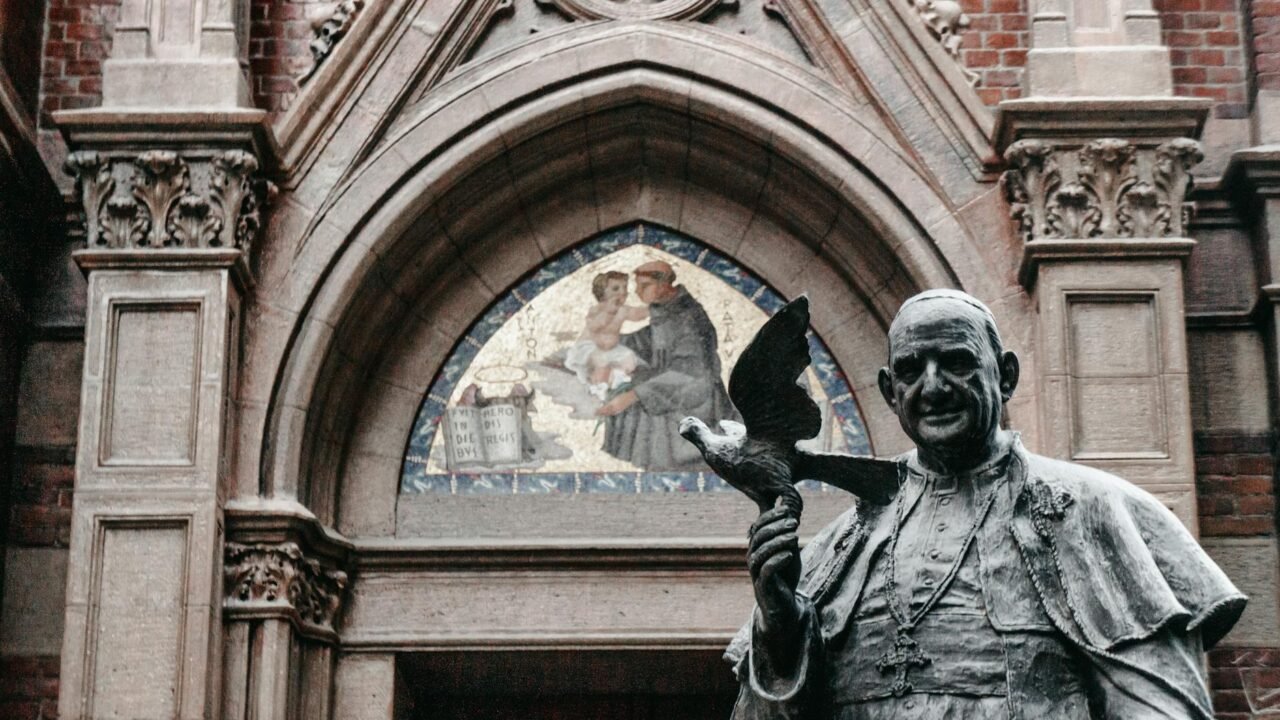
Pope Leo XIV is embarking on a significant visit to Angola, a nation deeply marked by the historical injustices of the transatlantic slave trade. The pontiff’s itinerary includes a poignant stop at a shrine where enslaved Africans were subjected to baptism before being forcibly transported across the Atlantic Ocean. This pilgrimage underscores the Vatican‘s engagement with the enduring legacy of slavery and its impact on contemporary African societies.
The visit, as reported by The New York Times, is poised to address the complex historical narrative of Angola, a country that was once a major hub for the Portuguese slave trade. The shrine, a site of immense historical and spiritual significance, serves as a stark reminder of the millions of Africans who were dehumanized and trafficked for centuries. The act of baptism, in this context, carries a heavy burden of forced conversion and cultural erasure, adding another layer to the profound trauma inflicted upon generations.
Information reaching TahirRihat.com suggests that the Pope’s presence in Angola is intended to foster dialogue and reconciliation, acknowledging the Church’s historical role, however complex, in the colonial era and its entanglement with the institution of slavery. The Vatican has, in recent years, made efforts to confront and apologize for past wrongs, and this visit is seen as a continuation of that process, particularly in regions where the scars of slavery remain deeply felt.
The journey to the shrine is not merely a symbolic gesture; it represents a commitment to understanding and confronting the historical roots of inequality and suffering that continue to resonate in Angola and across the African continent. The treacherous voyage across the Atlantic, often referred to as the Middle Passage, was a period of unimaginable horror for enslaved Africans, characterized by disease, starvation, and brutality. The shrine’s association with this dark chapter in human history makes it a crucial site for reflection and remembrance.
Angola’s history is inextricably linked to the Portuguese colonial enterprise, which relied heavily on enslaved labor for its economic development, particularly in Brazil. The port cities of Angola became infamous departure points for slave ships, forever altering the demographic and social fabric of both Africa and the Americas. The Pope’s visit to such a site is a powerful acknowledgment of this painful past and its lasting consequences.
The Catholic Church, while having a long history in Africa, also played a role, directly or indirectly, in the colonial systems that perpetuated slavery. Modern pontiffs have increasingly sought to address these historical complexities, recognizing the need for atonement and for building bridges of understanding. Pope Leo XIV’s engagement with this sensitive history in Angola is likely to be a central theme of his pastoral outreach, aiming to offer comfort and solidarity to communities still grappling with the intergenerational trauma of slavery.
The visit also comes at a time when discussions about reparations and historical justice are gaining momentum globally. While the Pope’s visit may not directly address these political or economic demands, it can contribute to a broader societal reckoning with the past. By acknowledging the suffering and injustice of slavery, the Church can play a role in fostering a more inclusive and equitable future for Angola and for all affected by this brutal chapter of history.
The spiritual significance of the shrine, where enslaved individuals were baptized, adds a layer of complexity to the narrative. While baptism was intended as a religious rite, in the context of slavery, it was often imposed and intertwined with the subjugation of African peoples. The Pope’s visit to this site invites a contemplation of faith, resilience, and the enduring human spirit in the face of profound adversity. It is an opportunity to honor the memory of those who suffered and to reaffirm the universal dignity of all human beings.
The broader implications of Pope Leo XIV’s visit extend beyond Angola. It signals the Vatican’s continued commitment to engaging with the difficult histories of colonialism and slavery in Africa. Such engagements are vital for fostering healing, promoting reconciliation, and building stronger relationships between the Church and the communities it serves. The Pope’s words and actions in Angola will undoubtedly be closely watched, as they carry the weight of historical significance and the potential for profound spiritual and social impact.
The legacy of slavery continues to shape contemporary societies, influencing issues of race, inequality, and economic disparity. By confronting this history head-on, Pope Leo XIV is not only addressing a painful past but also contributing to a more informed and just present. The visit to Angola, and specifically to the shrine of baptized enslaved Africans, is a testament to the enduring power of memory and the ongoing quest for justice and healing.
The journey through Angola will likely involve encounters with various communities, including those who are descendants of enslaved people. These interactions will provide firsthand accounts and perspectives on how the legacy of slavery continues to manifest in their lives. The Pope’s willingness to listen and engage with these narratives is crucial for a comprehensive understanding of the historical and ongoing impact of this inhumane practice. The Catholic Church’s role in this process of remembrance and reconciliation is significant, given its historical presence and influence in many parts of Africa.
The visit is expected to highlight the resilience of the Angolan people and their ability to overcome historical challenges. It is also an opportunity to celebrate the rich cultural heritage of Angola, which has, despite the ravages of slavery and colonialism, persevered and evolved. The Pope’s engagement with these aspects of Angolan life will contribute to a more holistic understanding of the nation’s journey and its aspirations for the future.
The global Catholic community will be observing this visit with keen interest, as it represents a significant moment for the Church to demonstrate its commitment to social justice and historical accountability. The pontiff’s message of hope and solidarity is particularly relevant in a world still grappling with the consequences of historical injustices. The shrine, as a focal point of this visit, serves as a powerful symbol of the enduring human cost of slavery and the urgent need for continued reflection and action.

Tahir Rihat (also known as Tahir Bilal) is an independent journalist, activist, and digital media professional from the Chenab Valley of Jammu and Kashmir, India. He is best known for his work as the Online Editor at The Chenab Times.

Leave a Reply