

Prime Minister Narendra Modi has publicly apologized to the women of India following the defeat of a Constitution Amendment Bill in the Lok Sabha, a legislative proposal aimed at introducing reservation for women in Parliament. In a national address, Modi expressed deep regret, stating that despite the government’s best efforts, the ‘Women’s Power Bill’ could not be passed. He specifically addressed the ‘mothers and sisters’ of the nation, acknowledging their anticipation and disappointment over the legislative setback.
Information reaching TahirRihat.com suggests that the Prime Minister’s remarks were delivered with a tone of profound disappointment, as he highlighted the paramount importance of national interest, which he contrasted with what he described as the ‘self-interest’ of certain opposition parties. Modi alleged that the ‘self-serving politics‘ of parties including the Congress, DMK, Trinamool Congress (TMC), and the Samajwadi Party had directly contributed to the failure of the bill, thereby impeding the progress of women in the country. He characterized the opposition’s actions as a blow to the dignity and self-respect of women, noting that their applause and desk-thumping upon the bill’s defeat were not merely procedural but symbolic of a disregard for women’s rights.
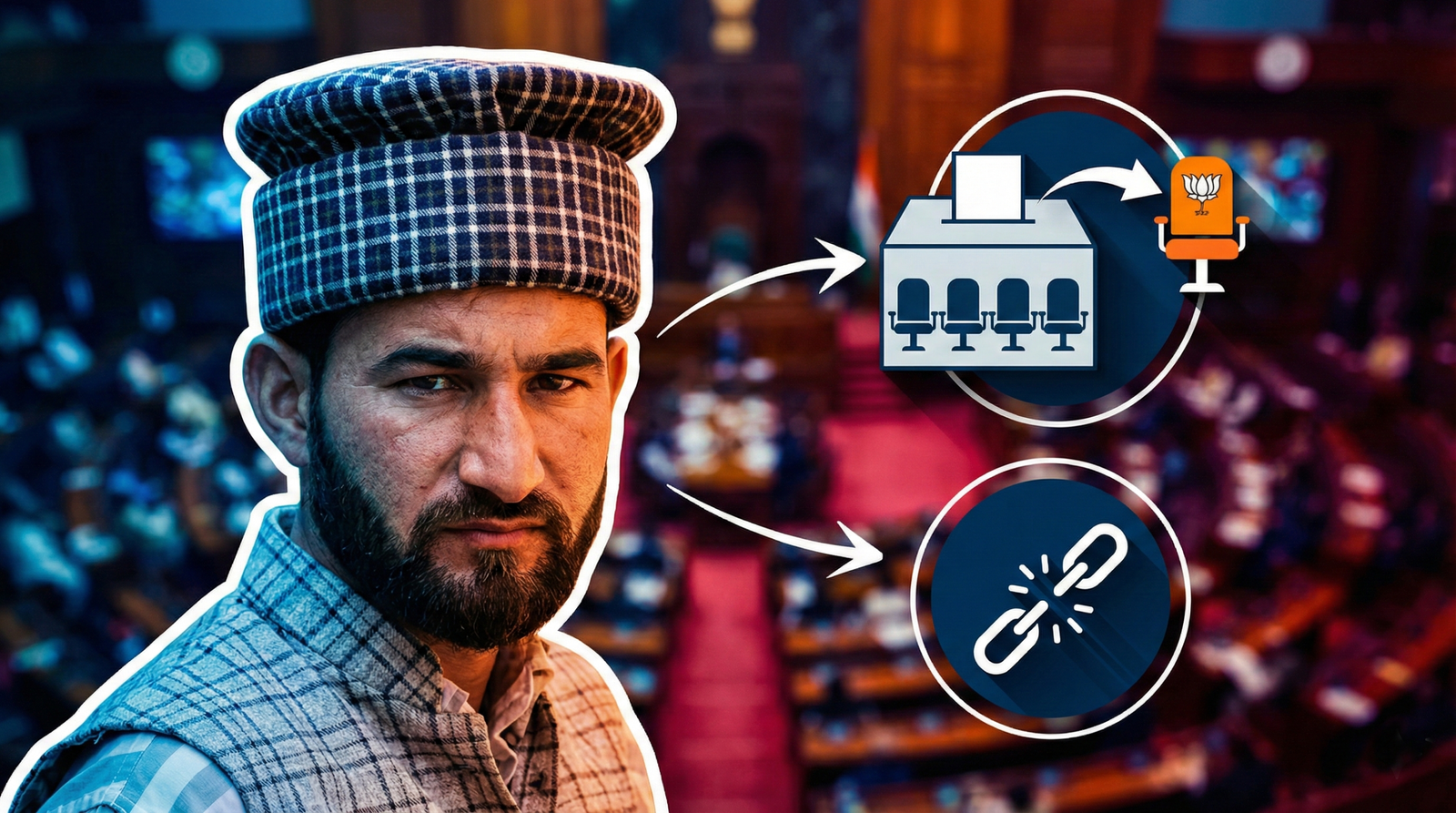
The legislative proposal, identified as the Constitution (One Hundred and Thirty-first Amendment) Bill, was taken up in the Lok Sabha alongside two other related bills: the Delimitation Bill and the Union Territories Laws (Amendment) Bill. The government’s intention was to increase the strength of the Lok Sabha from its current 543 members to 816, with a significant portion, 33 percent, reserved for women. This expansion was to be accompanied by a delimitation exercise based on the 2011 census, ensuring a proportionate increase in seats for all states. However, the core of the legislative package, the Constitution Amendment Bill, failed to garner sufficient support. In a division vote, 298 members voted in favor, while 230 members voted against it, resulting in its defeat. Consequently, the government decided not to proceed with the other two linked bills.
The opposition parties, while asserting their general support for women’s reservation, articulated a different stance regarding the proposed mechanism. Sources indicate that their primary objection was to the Delimitation Bill, which they argued should not be linked to the women’s reservation aspect. They had called upon the government to implement women’s reservation within the existing strength of the Lok Sabha, suggesting an alternative pathway to achieving the objective without the proposed restructuring and delimitation. This divergence in approach between the ruling coalition and a significant section of the opposition created the legislative impasse.
Prime Minister Modi emphasized that the nation’s interest should always take precedence, but lamented that for some, party interests had overshadowed this principle, leading to adverse consequences for women’s empowerment and the nation’s progress. He invoked a sentiment that women, while capable of forgetting many things, never forget an insult, suggesting that the opposition’s actions would be remembered. The Prime Minister’s address underscored the emotional weight he attached to the bill’s failure and his commitment to addressing the concerns of women across India. The defeat of the bill represents a significant legislative setback for the government’s agenda on women’s representation and has ignited a debate on the procedural and political dynamics that led to this outcome. The implications of this failure are expected to resonate in future political discourse and legislative efforts aimed at enhancing women’s participation in governance.
The proposed legislation was a comprehensive effort to fundamentally alter the composition of the Lok Sabha to ensure greater representation for women. The increase in the total number of seats was designed to accommodate the reservation without reducing the representation of existing constituencies or states. The delimitation process, a constitutional requirement to redraw constituency boundaries based on population changes, was intended to be conducted in conjunction with the seat increase. This would have ensured that the new seats were allocated equitably across the country, reflecting demographic shifts. The government’s strategy was to pass all three bills together, creating a holistic framework for enhanced women’s representation. However, the opposition’s concerns about the delimitation process, particularly its timing and potential impact, proved to be a significant hurdle.
The Prime Minister’s apology and his pointed criticism of specific opposition parties signal a political strategy to frame the narrative around the bill’s defeat. By highlighting the opposition’s alleged obstructionism, the government aims to garner public support and potentially put pressure on these parties to reconsider their stance. The discourse surrounding the bill’s failure is likely to become a key issue in upcoming political debates, with both sides seeking to leverage the situation to their advantage. The government’s commitment to women’s reservation remains a stated priority, but the path forward now appears more complex, requiring negotiation and consensus-building among diverse political stakeholders. The incident also brings to the fore the broader challenges of legislative consensus-building in a multi-party parliamentary democracy, especially on issues with significant social and political ramifications.
The voting pattern in the Lok Sabha, with a substantial number of members voting against the Constitution Amendment Bill, indicates a deep division on the proposed method of implementing women’s reservation. While the principle of increasing women’s representation is widely accepted, the specifics of the legislation, particularly the delimitation aspect, have been contentious. The opposition’s argument for implementing reservation within the existing framework suggests a preference for a less disruptive approach, one that does not necessitate a significant overhaul of parliamentary boundaries and numbers. This difference in opinion underscores the complexities involved in translating broad policy goals into concrete legislative action, especially when diverse political interests and procedural considerations come into play.
The Prime Minister’s emotional appeal, referencing the ‘dignity and self-respect of women,’ aims to connect with a broad segment of the electorate. By framing the opposition’s actions as an affront to women, the government seeks to mobilize support and portray itself as the champion of women’s empowerment. This political framing is likely to be a significant element of the ruling party’s campaign strategy moving forward. The failure of the bill also raises questions about the government’s legislative planning and its ability to secure the necessary consensus for its key initiatives. The incident serves as a stark reminder of the challenges inherent in parliamentary politics, where political maneuvering and strategic alliances can significantly influence the fate of even widely supported legislative objectives.
The defeat of the Constitution Amendment Bill has put a spotlight on the efficacy of the legislative process in addressing critical social and political issues. While the government has expressed its commitment to women’s reservation, the immediate future of such initiatives remains uncertain. The political fallout from this legislative setback is expected to be substantial, influencing public perception and potentially reshaping the political landscape. The Prime Minister’s public apology and his strong indictment of the opposition parties indicate a deliberate effort to control the narrative and assign responsibility for the bill’s failure. This approach is characteristic of political strategies that seek to consolidate support by highlighting perceived injustices and rallying voters around specific causes.
The broader implications of this event extend beyond the immediate legislative outcome. It raises fundamental questions about the pace and methods of achieving gender parity in political representation. The differing perspectives on how to best implement women’s reservation highlight the ongoing debate about the balance between symbolic representation and substantive empowerment. The government’s proposed model, which involved a significant increase in parliamentary strength and a delimitation exercise, was aimed at creating a more robust framework for women’s participation. However, the opposition’s reservations suggest that alternative approaches might be more palatable or politically feasible. The path forward will likely involve continued dialogue and negotiation, with both the government and the opposition seeking to find common ground on this crucial issue.

Tahir Rihat (also known as Tahir Bilal) is an independent journalist, activist, and digital media professional from the Chenab Valley of Jammu and Kashmir, India. He is best known for his work as the Online Editor at The Chenab Times.





Leave a Reply