
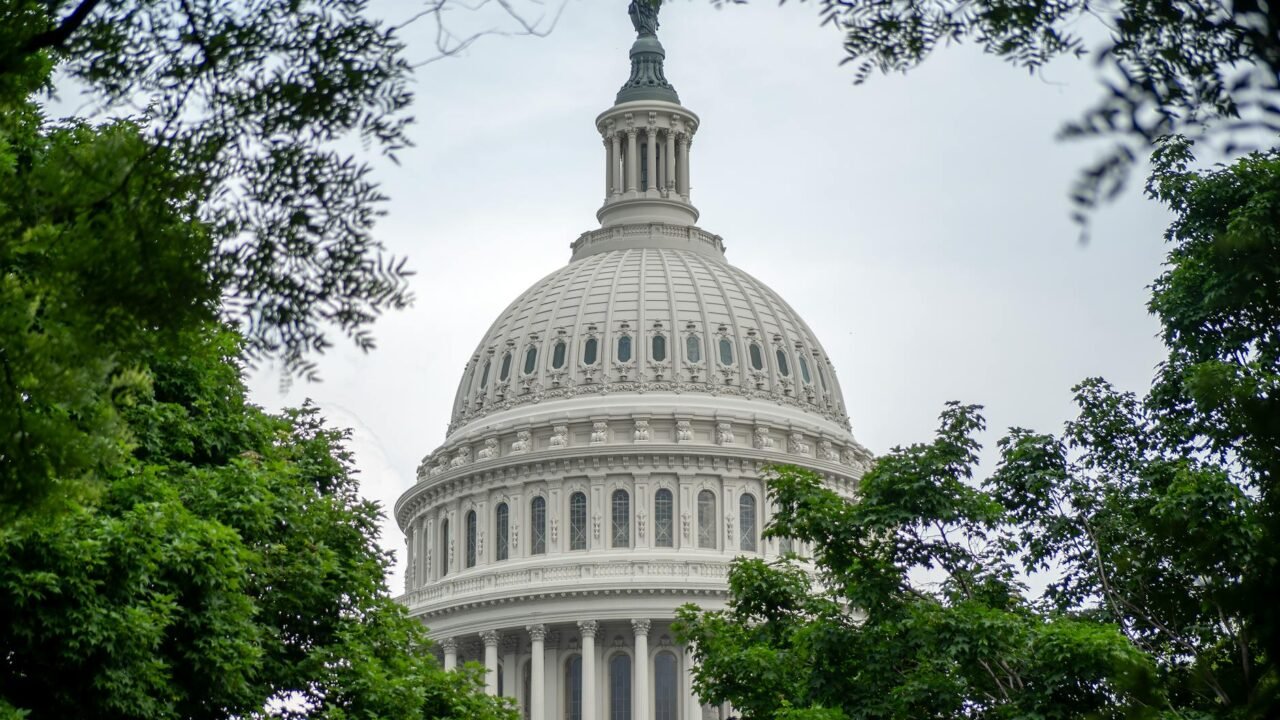
In the corridors of Washington, a familiar tactic is increasingly being employed by those seeking to sway foreign policy: invoking the name of former President Donald Trump. This strategy has become a notable feature of the current political landscape, particularly as discussions swirl around potential business dealings involving the Trump family. The use of such influence, especially by foreign entities with significant financial resources, raises questions about the intersection of private interests and public policy in the United States.
Information reaching TahirRihat.com suggests that a group of Syrian billionaires, aiming to secure favorable outcomes in their dealings with the U.S., have strategically utilized their connections and the perceived influence of the Trump name. This approach appears to be a calculated effort to navigate the complexities of American foreign policy and regulatory environments. The individuals in question are reportedly leveraging their wealth and networks to lobby for specific policy adjustments or to gain access to key decision-makers. The timing of these efforts, coinciding with ongoing scrutiny of the Trump family’s business ventures, adds a layer of intrigue to their lobbying activities.
The practice of foreign nationals and entities attempting to influence U.S. policy is not new, but the specific methods and the individuals involved can offer insights into evolving geopolitical and economic dynamics. The Syrian billionaires, whose identities are not fully disclosed in the initial reports, are said to be employing a multi-pronged approach that includes direct lobbying, public relations campaigns, and the cultivation of relationships with individuals who have close ties to the former president. This sophisticated strategy aims to create an environment conducive to their business interests, which may span various sectors including real estate, finance, and potentially energy.
The effectiveness of invoking the Trump name in Washington is a subject of ongoing debate and analysis. Supporters of such tactics might argue that it reflects a pragmatic understanding of how influence is wielded in the capital. Critics, however, express concerns about the potential for undue influence and the blurring of lines between private gain and national interest. The situation underscores the persistent challenge of ensuring transparency and accountability in the lobbying process, especially when powerful foreign interests are involved.
As the political climate continues to evolve, the strategies employed by wealthy individuals and corporations to shape policy are likely to remain a focal point for journalists and the public alike. The case of the Syrian billionaires seeking favors in Washington serves as a compelling example of how global financial power can intersect with domestic politics, particularly in the context of a former president whose business legacy continues to be a significant factor in public discourse and policy discussions. The intricate web of connections and the strategic deployment of influence highlight the complex nature of international relations and the persistent quest for leverage in global affairs.
The specific nature of the favors sought by these Syrian billionaires remains somewhat opaque, but the underlying motivation is clear: to advance their economic and potentially political objectives within the United States. This involves navigating a landscape where personal relationships and perceived access can be as valuable as formal policy proposals. The reliance on the Trump name suggests a belief that such an association can unlock doors and expedite processes that might otherwise be more challenging to navigate. This approach is not unique to any single group or nationality, but the context of Syrian business interests seeking influence in Washington during a period of heightened attention to the Trump family’s affairs makes this particular instance noteworthy.
The broader implications of such lobbying efforts extend to the integrity of the U.S. foreign policy-making process. When foreign entities, particularly those from countries with complex geopolitical relationships with the U.S., attempt to exert influence, it raises important questions about national security and the equitable application of U.S. laws and regulations. The ability of wealthy individuals to leverage personal connections and the names of prominent political figures to achieve their goals can create an uneven playing field, potentially disadvantaging those who do not have similar resources or access.
Furthermore, the increasing frequency of such attempts to influence policy, as noted in the source material, suggests a growing sophistication in how global capital seeks to shape political outcomes. This trend necessitates a robust and vigilant approach from regulatory bodies and the media to ensure that the public interest remains paramount. The transparency of lobbying activities is crucial, and any attempts to obscure the true nature of these influences can undermine public trust in democratic institutions.
The ongoing discussions about potential Trump family deals add another layer of complexity. If these Syrian billionaires are seeking to benefit from or influence deals that directly or indirectly involve the Trump family, it raises ethical considerations about conflicts of interest and the potential for quid pro quo arrangements. The scrutiny that such situations attract is often intense, as it touches upon fundamental questions of governance and the separation of public service from private enterprise. The ability of individuals to leverage their political connections for personal or group gain is a perennial concern in democratic societies, and the current environment in Washington appears to be fertile ground for such activities.
The intricate dance between wealth, power, and influence in Washington is a constant subject of journalistic inquiry. The efforts by these Syrian billionaires to secure a favorable reception for their interests by invoking the Trump name exemplify a broader pattern of how global economic actors seek to navigate and shape the political landscape of major world powers. The long-term consequences of such influence peddling remain to be seen, but they undoubtedly contribute to the ongoing debate about the role of money in politics and the challenges of maintaining a transparent and accountable government.

Tahir Rihat (also known as Tahir Bilal) is an independent journalist, activist, and digital media professional from the Chenab Valley of Jammu and Kashmir, India. He is best known for his work as the Online Editor at The Chenab Times.





Leave a Reply