
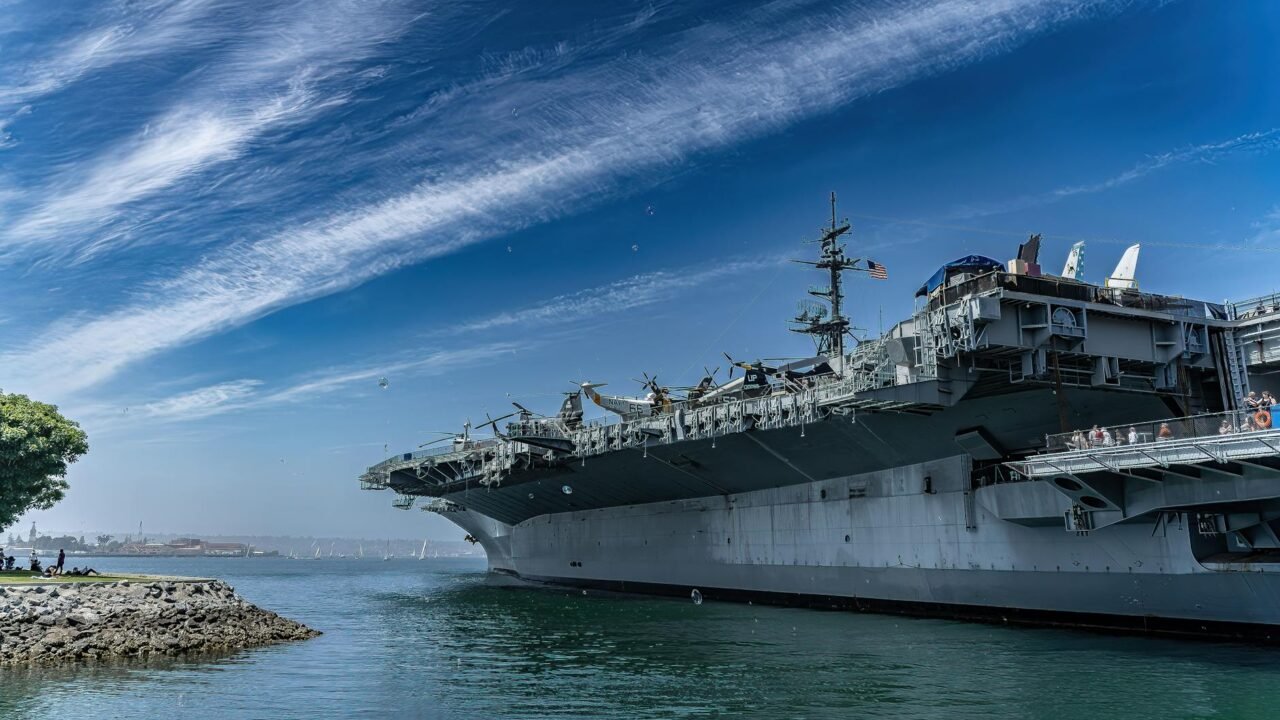
The United States military has intercepted and boarded a tanker carrying Iranian oil in the Indian Ocean, marking the latest move by Washington to exert pressure on Iran‘s economy, which is heavily reliant on oil exports. The operation, confirmed by the Pentagon, involved the U.S. Navy stopping the vessel identified as the M/T Tifani.
This action follows closely on the heels of another U.S. naval operation in the region. Just days prior, the Navy had boarded an Iranian cargo ship in waters near the Strait of Hormuz, a critical chokepoint for global oil transit. As per information available with TahirRihat.com, these interdictions are part of a broader strategy by the U.S. to disrupt Iran’s oil revenue streams, which are often utilized to fund various activities deemed destabilizing by the United States and its allies.
The specific details surrounding the boarding of the M/T Tifani, including the exact quantity of oil seized and the ultimate destination of the cargo, were not immediately disclosed by U.S. military officials. However, the act itself signifies a continued assertiveness in maritime interdiction operations aimed at enforcing sanctions and international pressure against the Islamic Republic. The Pentagon’s statement underscored the ongoing efforts to curb illicit oil trade, a persistent concern for global security and economic stability. The implications of such seizures can be far-reaching, potentially impacting international shipping routes, energy markets, and diplomatic relations between Iran and the involved nations. The U.S. has consistently maintained that it is acting within its rights and international frameworks to prevent the flow of oil that may be used to support prohibited programs or entities. The frequency of these interdictions suggests a sustained commitment to this policy, with naval forces maintaining a vigilant presence in key maritime areas. The effectiveness and long-term consequences of these measures on Iran’s economy and its regional posture remain subjects of ongoing observation and analysis by international observers and policy makers. The international community often watches such events closely, as they can have ripple effects on global energy prices and geopolitical tensions. The U.S. has previously engaged in similar actions, highlighting its resolve to enforce its foreign policy objectives through naval power and economic sanctions. The boarding of the M/T Tifani is likely to be met with a response from Iran, though the nature and extent of that response are yet to be determined. Such incidents often lead to heightened rhetoric and diplomatic exchanges, further complicating the already complex relationship between the two countries. The U.S. military’s operational capacity in distant waters, as demonstrated by this latest boarding, underscores its global reach and its commitment to projecting power in strategic regions. The interception of oil tankers is a sensitive issue, often raising questions about maritime law, sovereignty, and the freedom of navigation, even as nations seek to enforce their own sanctions regimes. The Pentagon’s confirmation of the event provides a degree of official transparency, but many of the finer points of the operation and its immediate aftermath are likely to remain under wraps for security and operational reasons. The broader context of U.S.-Iran relations, marked by decades of animosity and intermittent diplomatic engagement, provides a backdrop against which these maritime actions must be understood. The economic sanctions imposed on Iran by the U.S. and other international bodies are designed to compel changes in its behavior, particularly concerning its nuclear program and its support for regional proxy groups. The seizure of oil shipments is a direct tactic within this broader economic warfare. The M/T Tifani, now under U.S. control, represents a tangible asset seized in this ongoing campaign. The fate of the vessel and its cargo will be determined by legal and policy decisions made by the U.S. government. This event is a stark reminder of the volatile nature of the geopolitical landscape in the Middle East and the significant role that maritime security plays in international affairs. The U.S. Navy’s continued presence and proactive stance in these waters signal its intent to remain a dominant force in maintaining what it perceives as regional stability and enforcing its national security interests. The economic impact of such seizures on Iran can be substantial, potentially limiting its ability to fund its government operations and its foreign policy initiatives. This, in turn, can influence regional dynamics and the broader international security environment. The U.S. Department of Defense has been consistent in its messaging regarding the disruption of illicit oil trade, framing these actions as necessary to counter threats posed by state and non-state actors. The boarding of the M/T Tifani is the latest chapter in this ongoing narrative, with further developments expected as more information becomes available.

Tahir Rihat (also known as Tahir Bilal) is an independent journalist, activist, and digital media professional from the Chenab Valley of Jammu and Kashmir, India. He is best known for his work as the Online Editor at The Chenab Times.



Leave a Reply