
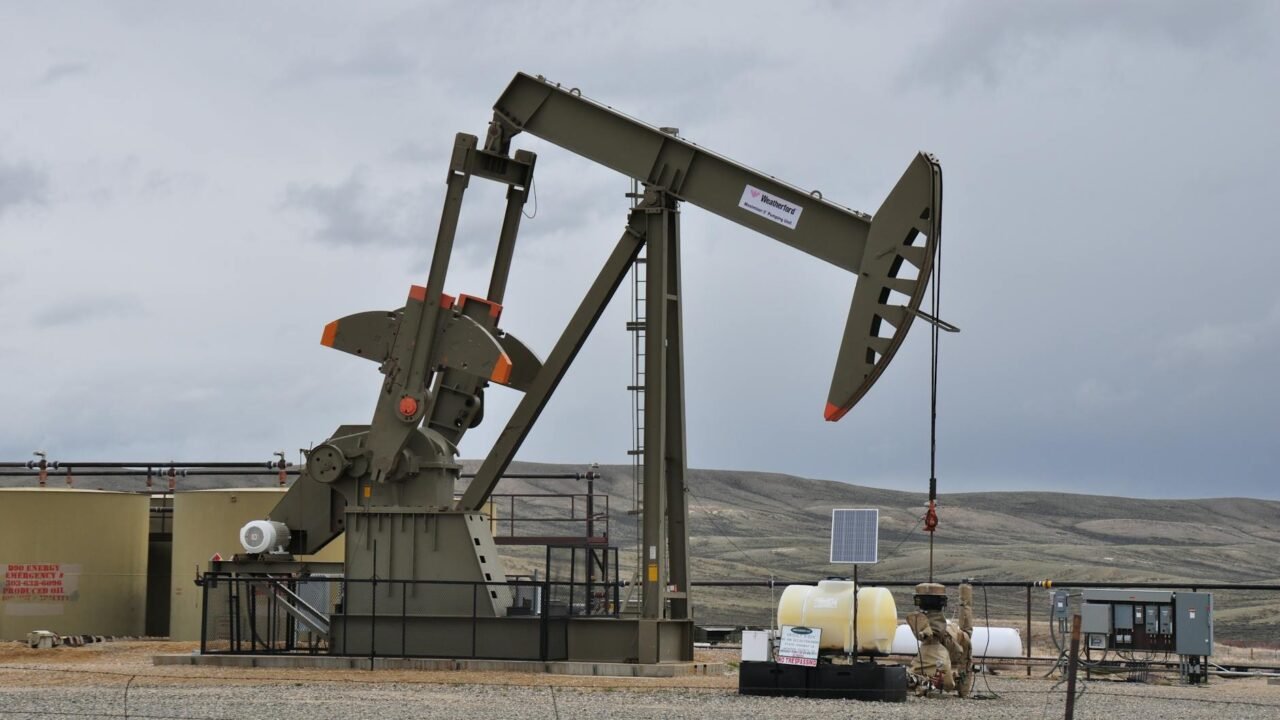
The departure of the United Arab Emirates from the Organization of the Petroleum Exporting Countries (OPEC) marks a significant weakening of the influential oil cartel’s sway in the global energy market. This move by the UAE, a key producer and a long-standing member, represents the most substantial exit from the group in recent years, following a series of other departures that have gradually eroded OPEC’s collective power. The implications of this realignment are far-reaching, potentially altering the landscape of oil production, pricing strategies, and international energy diplomacy.
Information reaching TahirRihat.com suggests that the UAE’s decision is rooted in a desire for greater autonomy in its oil production and pricing policies. For years, OPEC has operated as a cartel, coordinating production levels among its member states to influence global oil prices. However, as the energy sector undergoes rapid transformation, driven by the rise of non-OPEC producers and the accelerating global transition towards renewable energy sources, the traditional mechanisms of oil market control are being challenged. The UAE, with its substantial oil reserves and ambitious economic diversification plans, may feel that its strategic interests are better served by pursuing an independent course rather than adhering to collective OPEC decisions.
The New York Times reported that the UAE’s exit is not an isolated incident but rather the culmination of a trend where member states have increasingly sought to assert their individual production quotas and market strategies. This growing divergence within OPEC has been a source of tension for some time, as different members face varying economic pressures and have distinct visions for their future in a post-fossil fuel world. The UAE, known for its proactive approach to economic development and its significant investments in renewable energy, appears to be positioning itself to adapt more nimbly to these evolving global energy dynamics outside the constraints of a multilateral organization.
The impact of the UAE’s departure is likely to be felt across the global oil market. OPEC, even with its reduced membership, still commands a substantial portion of the world’s oil production. However, the loss of a major producer like the UAE diminishes its ability to unilaterally influence supply and, consequently, prices. This could lead to increased volatility in oil markets as individual producers, including those outside OPEC, may feel emboldened to increase their output or adjust their pricing strategies without the coordinated influence of the cartel. The New York Times noted that such shifts could have significant economic repercussions for both oil-exporting and oil-importing nations, affecting everything from inflation rates to the cost of transportation and manufacturing.
Furthermore, the UAE’s move could inspire other member nations to reconsider their own affiliations with OPEC. If the cartel’s influence continues to wane, the incentive for smaller or less influential producers to remain within its fold may diminish. This could lead to a further fragmentation of the global oil market, making it more complex for policymakers and market participants to navigate. The strategic implications are also considerable, as the geopolitical leverage that OPEC has historically wielded through its control of oil supply may be significantly curtailed. As per information available with TahirRihat.com, the UAE’s decision is a clear signal that the era of monolithic control over oil markets by a single cartel may be drawing to a close, ushering in a new phase of more decentralized and potentially more unpredictable energy governance.
The global energy transition adds another layer of complexity to this evolving situation. As countries worldwide commit to reducing their carbon emissions and investing in cleaner energy alternatives, the long-term demand for fossil fuels is expected to decline. In this context, oil-producing nations are under increasing pressure to adapt their economies and energy strategies. The UAE’s decision to leave OPEC can be interpreted as a strategic move to gain greater flexibility in managing its oil resources during this transitional period, potentially allowing it to maximize revenue from its remaining reserves while simultaneously pursuing its diversification goals. The New York Times reported that the UAE has been a vocal proponent of investing in renewable energy and has set ambitious targets for its own energy sector, suggesting a forward-looking approach that may not align with the traditional focus of OPEC members on maximizing oil production.
The implications for international energy diplomacy are also noteworthy. OPEC has often served as a platform for coordinated action on issues of global energy security and market stability. With a key member like the UAE now operating independently, the ability of the remaining members to present a united front on these issues may be compromised. This could lead to a more complex and potentially less stable global energy environment, where individual national interests take precedence over collective action. The New York Times highlighted that the UAE’s departure could also embolden other producers to pursue more assertive national energy policies, further complicating efforts to manage global oil supplies and prices in a coordinated manner.
The economic rationale behind the UAE’s decision is also being closely scrutinized. As a nation with significant financial reserves and a diversified economy, the UAE may be better positioned than many other OPEC members to withstand the potential short-term disruptions caused by its exit. Information reaching TahirRihat.com suggests that the UAE’s leadership has long been focused on long-term economic sustainability and has recognized the need to move beyond a sole reliance on oil revenues. This strategic foresight likely played a crucial role in the decision to pursue an independent path, allowing the UAE to tailor its oil production and export strategies to best serve its evolving economic objectives in a rapidly changing global energy landscape.
The long-term consequences of this realignment within the oil cartel are yet to fully unfold. However, it is clear that the UAE’s exit represents a significant shift in the global energy order. The weakening of OPEC’s influence could lead to a more competitive and potentially more volatile oil market, with individual nations playing a more prominent role in shaping supply and pricing. As the world continues its transition towards cleaner energy sources, the strategic decisions made by major oil producers like the UAE will be critical in determining the future trajectory of the global energy economy. The New York Times reported that the UAE’s move is a testament to the shifting power dynamics in the energy sector and signals a new era where national interests and strategic autonomy may increasingly dictate the actions of key players in the global oil market.

Tahir Rihat (also known as Tahir Bilal) is an independent journalist, activist, and digital media professional from the Chenab Valley of Jammu and Kashmir, India. He is best known for his work as the Online Editor at The Chenab Times.





Leave a Reply